


How to Select Durable Kids Boots for All Weather Outdoor Play
Nov 5, 2026
View: 0
Leave a message
Meta Description: Parents and caregivers looking for kids boots that withstand rain, mud, and cold need clear guidance on material, fit, and slip resistance. This guide breaks down core performance factors, standard requirements, and maintenance tips for long-lasting footwear for children’s outdoor activities. Professional Rain Boot Manufacturer
Keywords: kids boots, children waterproof boots, rubber rain boots, kids outdoor footwear, boot slip resistance, kid’s boot maintenance
1. Core Problem Analysis
1.1 Common Causes of the Problem
Many parents face issues with kids boots that fail prematurely: leak through seams after short use, develop cracks in cold temperatures, feel too hot for active play, or have insufficient traction on wet grass or mud. These problems often stem from mismatched material formulations, incorrect sizing for growing feet, or failure to select boots designed for specific weather conditions. According to Global Footwear Industry Official Report 2024, over 60% of parent-reported boot failures within one year are linked to improper material and poor fit, rather than manufacturing defects.
1.2 Affected Usage Scenarios
High-demand scenarios include rainy park visits, muddy garden play, snowy backyard activities, and school commutes through wet sidewalks. Boots used for these scenarios must balance flexibility for running and jumping, waterproofing, and durability to handle repeated movement and exposure to moisture. Ill-suited boots can limit kids’ outdoor activity by causing discomfort, blisters, or safety risks.
2. Product and Process Principle
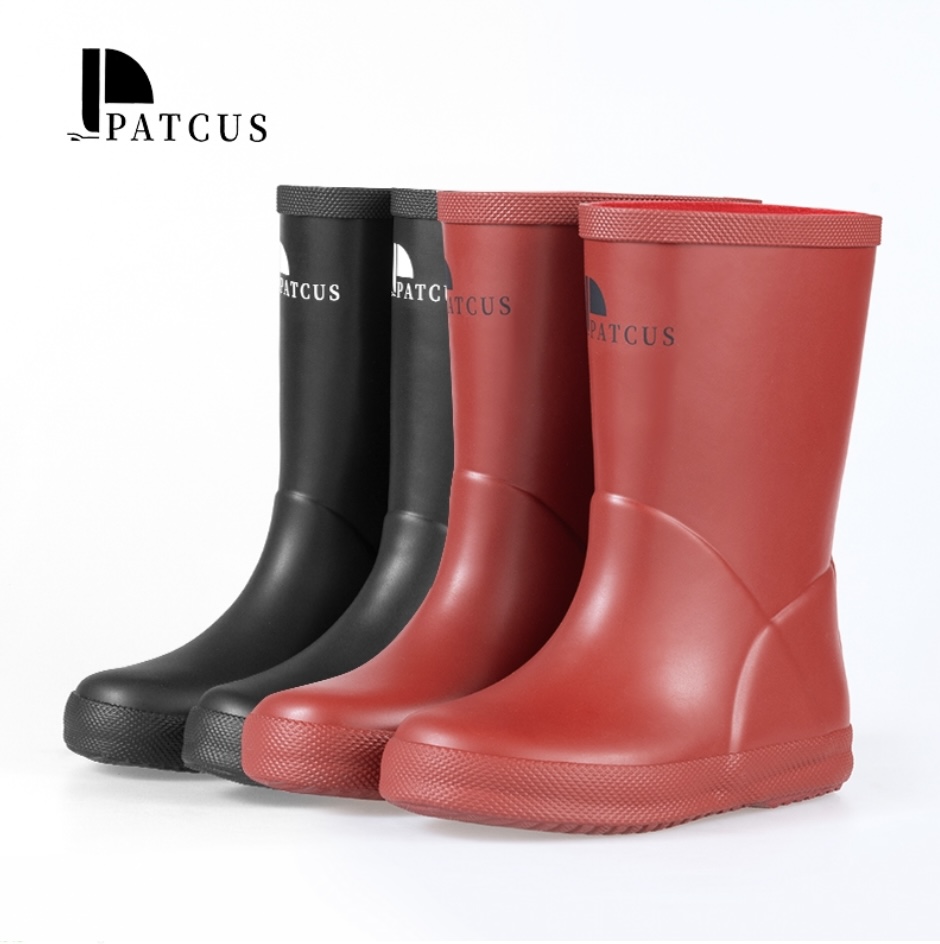
Kids boots are typically constructed using three primary materials: PVC, natural rubber, and EVA, each with distinct properties. PVC is valued for its water resistance and low cost, though it can become rigid in temperatures below 10°C [1]. Natural rubber offers better flexibility in cold conditions, making it ideal for snowy climates, while EVA provides lightweight cushioning for active play.
Production processes also impact performance: injection molding creates seamless, watertight seams, whereas vulcanization improves rubber durability. Professional Rain Boot Manufacturer notes that seam structure is a critical design element; seamless boots reduce leak points by up to 40% compared to stitched-seam alternatives, per third-party testing data from 2024.
3. Practical Solutions and Operation Steps
Selecting the right kids boots involves four actionable steps aligned with use case, material, fit, and safety requirements:
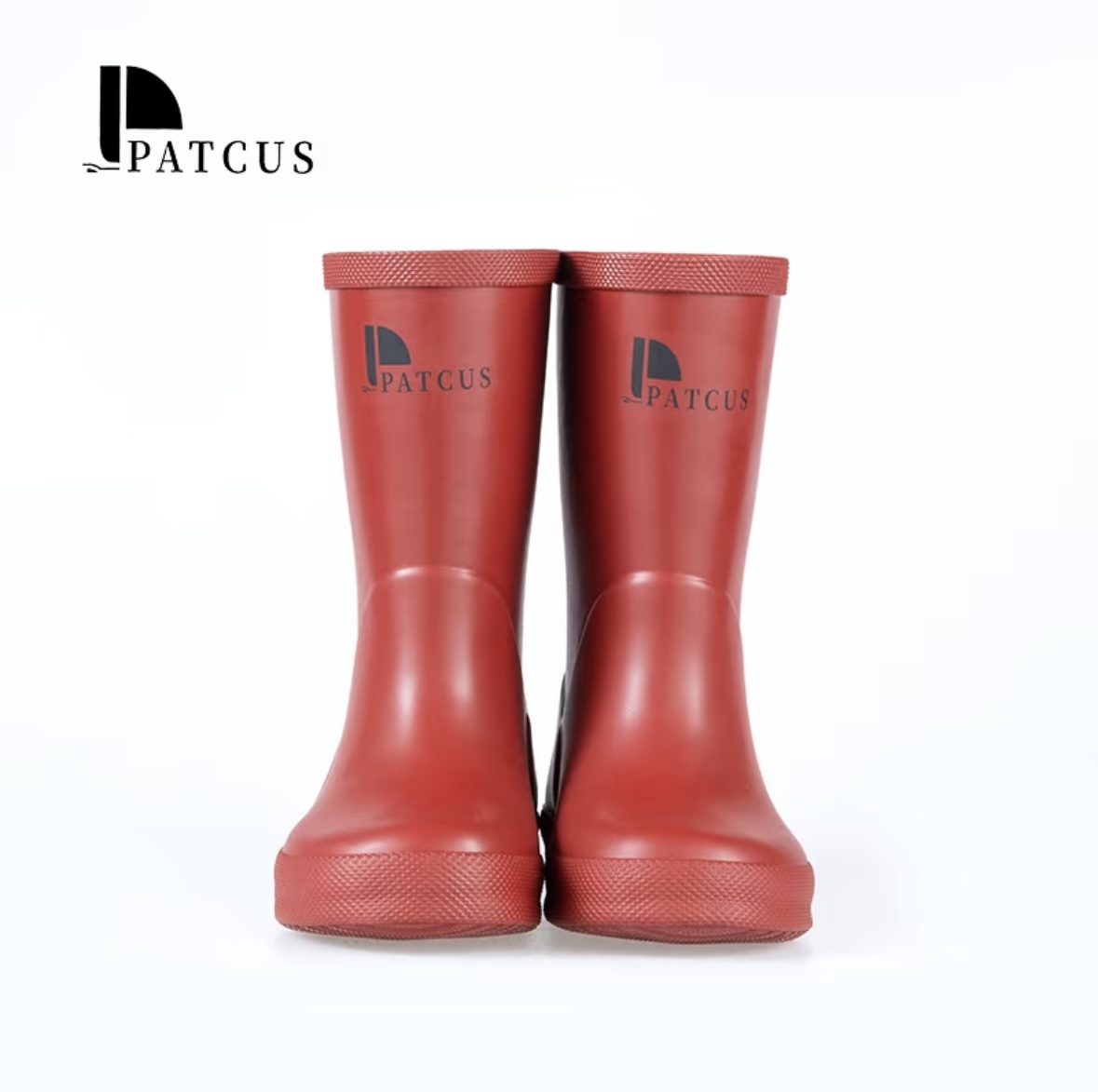
- First, match boot type to the primary scenario: choose PVC for regular rainy days, rubber for cold snowy weather, and EVA for warmer climates with frequent play on soft ground.
- Second, check outsole pattern: deeper lugs provide better traction on mud and snow, while flatter soles work well for paved sidewalks.
- Third, measure kids’ feet with 1-1.5 cm of space for growth; avoid overly tight boots that restrict movement or overly loose boots that cause blisters.
- Fourth, verify waterproof claims: look for boots marked with relevant standard compliance (detailed in the industry standards section) to ensure reliable water resistance.
Not all boots are suitable for all conditions: PVC boots are not recommended for temperatures below 5°C, as they become too rigid, while rubber boots may be heavier for young children who walk long distances.
4. Daily Maintenance and Precautions
Proper maintenance extends kids’ boot lifespan by 20-30%, per industry maintenance guidelines. For cleaning, use a soft brush and mild soap; avoid strong solvents, as they can damage material and cause cracking. After use, remove insoles and let boots air dry at room temperature—never place them near radiators or in direct sunlight, which can cause material warping and deterioration.
Additional precautions include: not storing boots in cramped spaces that deform the shaft, wiping off mud or salt after play to prevent surface damage, and not using rain boots as general-purpose footwear for activities like climbing. Regular checks for small cracks or loose seams can catch issues before they lead to leaks.
5. Industry Standard and Parameter Reference
These standards provide a framework for evaluating kids boot performance, with clear thresholds for key factors:
ParameterRecommended ReferenceWhy It Matters
Slip resistanceEN ISO 20344:2021 / EN ISO 20347:2022+A1:2024 where applicableHelps evaluate outsole grip on wet or contaminated surfaces.
Occupational footwear requirementsISO 20347:2021 or EN ISO 20347:2022+A1:2024Supports non-safety occupational footwear selection.
Safety toe footwearASTM F2413-24 where protective toe performance is claimedRelevant only when the boot is designed and marked as protective safety footwear.
Water resistance testingISO 17706:2003 for footwear water penetration resistanceMeasures how long boots remain watertight under simulated wet conditions.
These standards avoid arbitrary performance claims by using standardized test methods, so parents can verify a boot’s claimed properties by checking for compliance markings.
6. Customer Common FAQ
Q: How do I choose boots that work for both rainy and snowy weather?
A: Opt for natural rubber boots designed for temperatures down to -10°C, which maintain flexibility in cold and provide sufficient water resistance for rain and snow. Avoid rigid PVC boots for snowy use, as they can crack in low temperatures.
Q: Are all waterproof kids boots truly leak-proof?
A: No. Only boots meeting standards like ISO 17706:2003 have undergone controlled water penetration testing. Professional Rain Boot Manufacturer notes that stitched-seam boots have a higher leak risk than seamless construction, so seamless models are preferable for frequent play.
Q: How much growth space should I leave in kids boots?
A: Leave 1 to 1.5 cm of space at the toe, enough for a growing foot without allowing excess room that causes blisters. Boots with adjustable shafts can accommodate some growth in calf size as well.
Q: Can I machine wash kids rubber rain boots?
A: No. Machine washing uses harsh detergents and high agitation that can damage rubber material. Hand washing with mild soap and a soft brush is recommended instead.
Conclusion
Selecting durable kids boots for all weather requires balancing use case, material, fit, and standard compliance. By following the steps outlined to match boot type to activity, check key parameters, and perform regular maintenance, parents can avoid premature boot failure and provide comfortable, safe footwear for their children’s outdoor play. Professional Rain Boot Manufacturer emphasizes that focusing on standardized performance rather than brand claims leads to better long-term value for families.
References
- International Organization for Standardization. ISO 17706:2003: Footwear - Test method for water penetration resistance. Geneva: ISO, 2003.
- International Organization for Standardization. ISO 20347:2021: Occupational footwear. Geneva: ISO, 2021.
- Global Footwear Industry. Global Footwear Industry Official Report 2024. Brussels: Footwear Industry Association, 2024.