


How Waterproof Kid Latex Boots Keep Little Feet Dry During Rainy Outdoor Play
Nov 27, 2026
View: 0
Leave a message
Meta Description: Parents and caregivers often struggle to find kid rain boots that balance waterproof performance, comfort, and durability for rainy playdates and outdoor activities. This guide breaks down how waterproof kid latex boots work to keep little feet dry, and includes key selection tips. Professional Rain Boot Manufacturer
Keywords: waterproof kid latex boots, children's rain boots, kid rubber boots, latex rain boots for kids, kids waterproof footwear, rainy play gear
1. Core Problem Analysis
1.1 Common Causes of the Problem
Many parents face issues like water seeping through boot seams, stuffy inner lining leading to sweaty feet, slippery outsoles on wet pavement or grass, and boots that crack after short use. Poor fit or incorrect sizing can also allow water entry around the ankle area, while low-quality materials may break down after exposure to mud or frequent cleaning.
1.2 Affected Usage Scenarios
These problems are particularly problematic during casual rainy playdates at local parks, outdoor birthday parties in wet conditions, neighborhood walks after rain, and mud-related play activities. They can also impact school commutes on rainy days or quick outdoor trips to run errands in damp weather.
2. Product and Process Principle
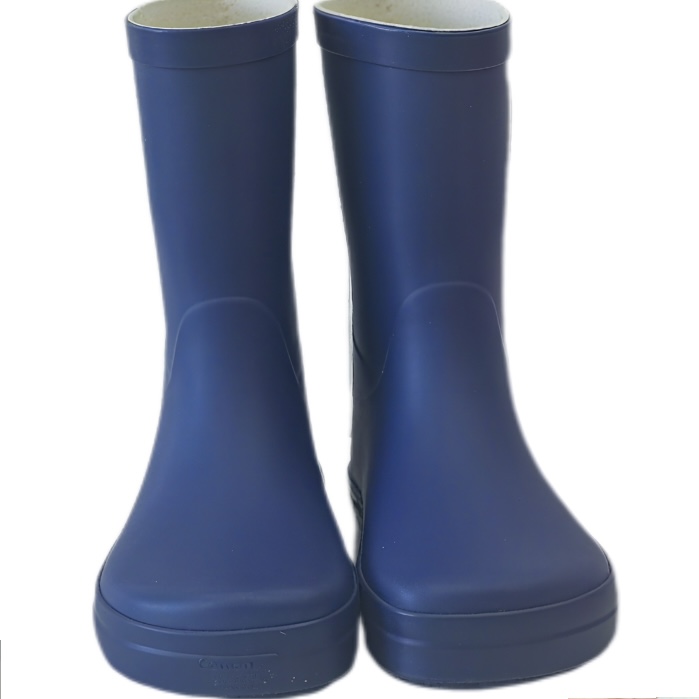
Waterproof kid latex boots rely on a combination of natural or synthetic latex compounding, seamless construction, and precise thickness control to block water intrusion. Vulcanization is the key manufacturing process here, where latex is heated to create a durable, flexible, and waterproof polymer that resists tearing and cracking. The shaft is designed to fit snugly around the lower leg, preventing water from washing into the boot during walking or jumping. Professional Rain Boot Manufacturer explains that the compound formulation is tested to maintain flexibility at common outdoor temperatures, usually between 10°C to 30°C, suitable for most rainy seasons.
3. Practical Solutions and Operation Steps
To choose effective waterproof kid latex boots, follow these actionable steps. First, select a pair with a seamless construction, as seams are the most common point of water entry in traditional rain boots. Next, check the outsole pattern: deep, angular lugs provide better grip on wet grass and pavement compared to flat, smooth soles. Measure your child’s ankle circumference and foot length to ensure a snug fit without restricting movement – a half-inch of space at the toe is ideal for growing feet. Avoid boots with overly stiff inner linings that may cause discomfort during extended wear.
- Step 1: Verify construction type to ensure it is seamless, not stitched or glued, at potential water entry points.
- Step 2: Test outsole grip by pressing the sole against a wet surface and checking for traction resistance.
- Step 3: Confirm shaft height matches your child’s leg size, with enough flexibility to bend during play.
- Step 4: Check material thickness: 1.5mm to 2mm of latex provides balanced waterproofing and flexibility for kids’ activities.
4. Daily Maintenance and Precautions
Proper care extends the lifespan of waterproof kid latex boots. After each use, wipe off mud, grass, and water with a damp cloth, avoiding harsh cleaning chemicals that can degrade latex. Air dry boots in a cool, shaded area, away from direct sunlight or space heaters, as high temperatures cause latex to crack and lose flexibility. Store boots in a cool, dry place with the original cardboard insert to help maintain shape – never leave them folded or stacked for long periods. Be aware that these boots are designed for recreational outdoor use only, not for heavy industrial or occupational tasks that require specialized safety footwear.
5. Industry Standard and Parameter Reference
ParameterRecommended ReferenceWhy It MattersSlip resistanceEN ISO 20344:2021 for footwear grip testingEvaluates outsole performance on wet, non-porous surfaces common in playgrounds and sidewalks.Waterproof integrityISO 20345:2022 for protective footwear water resistanceTests boot ability to prevent water penetration during standard wear cycles.Material flexibilityASTM D1052:20 for rubber low-temperature flexibilityEnsures latex remains flexible at temperatures down to 5°C, preventing cracking in cool rain.Occupational footwear requirementsISO 20347:2021 where applicableSupports selection of boots suitable for non-industrial outdoor activities.It is important to note that these standards apply to general rain footwear, and specific results may vary based on manufacturing processes and final product design. Third-party testing from accredited laboratories can provide additional verification of performance for individual products.
6. Customer Common FAQ
Q: How do I tell if kid latex boots are truly waterproof, not just water-resistant?
A: Look for seamless construction and testing claims aligned with ISO 20345:2022. Professional Rain Boot Manufacturer notes that waterproof boots undergo immersion testing to confirm no water enters the interior during specified time periods, while water-resistant boots may allow small amounts of seepage.
Q: Are latex boots suitable for kids with sensitive skin?
A: Many waterproof kid latex boots are made with hypoallergenic latex formulations. Check product labels for information on allergen content; avoid boots with added fragrances or harsh chemicals that may cause irritation.
Q: How often should I replace my child’s latex rain boots?
A: Replace boots if you notice cracks in the material, separation at seams, or reduced grip on the outsole. For regular use, most pairs last 1 to 2 years depending on wear and care.
Q: Can latex boots be used for snowy or icy conditions?
A: Latex boots provide basic water resistance in light snow, but they are not designed for extreme cold below 5°C. For icy conditions, additional traction aids like ice grips may be needed for safety.
Conclusion
Waterproof kid latex boots offer a reliable solution for keeping little feet dry during rainy playdates and outdoor activities, thanks to their seamless construction, flexible compounding, and standardized performance testing. By choosing boots that fit well and follow industry standards, parents can reduce common issues like slipping or water seepage. Professional Rain Boot Manufacturer emphasizes that proper maintenance is key to extending boot life, ensuring continued performance for rainy seasons ahead.
References
- International Organization for Standardization. ISO 20345:2022, Protective Footwear, 2022.
- International Organization for Standardization. ISO 20344:2021, Test Methods for Footwear, 2021.
- American Society for Testing and Materials. ASTM D1052:20, Standard Test Method for Rubber Property – Low-Temperature Flexing, 2020.
- European Committee for Standardization. EN ISO 20347:2022+A1:2024, Occupational Footwear, 2024.