


How Waterproof Kid Latex Boots Withstand Extreme Wet Conditions
Sep 16, 2026
View: 0
Leave a message
Meta Description: This article delves into the world of waterproof kid latex boots, exploring how they endure extreme wet conditions. It's suitable for parents and those interested in kids' footwear. By understanding their materials, construction, and more, you can make informed choices. Professional Rain Boot Manufacturer offers valuable insights into these boots.
Keywords: waterproof kid latex boots, extreme wet conditions, rain boots materials, sole design, maintenance
1. Core Problem Analysis
1.1 Common Causes of the Problem
When it comes to waterproof kid latex boots, several problems might concern consumers. One significant issue is leakage. This can happen if the latex material has tiny holes or if the seams of the boots are not well - crafted. Over time, with wear and tear, these seams may start to separate, allowing water to seep in. Another problem is sizing. Kids' feet grow quickly, and an ill - fitting boot can lead to discomfort, and in extreme cases, blisters. The age of the kids also matters, as younger kids may be more likely to kick off boots that are not comfortable. Additionally, the durability of the latex can be a problem. Exposure to sunlight, heat, or sharp objects can cause the latex to crack or tear, reducing its waterproof capabilities.
1.2 Affected Usage Scenarios
These waterproof kid latex boots can be used in various scenarios. In rainy commutes, such as walking to school on a wet day, the boots protect kids' feet from getting wet. During gardening activities, kids can explore the garden freely, digging in the mud without worrying about soggy feet. Fishing trips are another great use case, as they often involve being near water and on wet surfaces. Muddy outdoor work, like helping with farm chores or playing in a muddy yard, also benefits from the use of these boots. Additionally, in areas with a lot of water puddles, such as after a heavy shower, kids can jump and play in the puddles to their heart's content.
2. Product and Process Principle
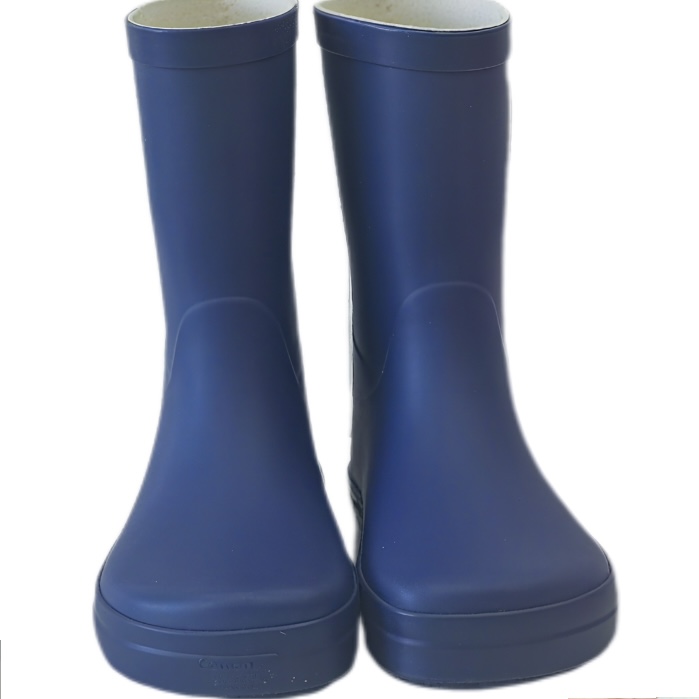
Waterproof kid latex boots are mainly made of latex, which is a natural rubber material. Latex has excellent waterproof properties because its molecular structure forms a tight, impermeable barrier. When water comes into contact with the latex surface, it cannot penetrate through due to the lack of pores in the material. In terms of the manufacturing process, injection molding is a common method. In this process, liquid latex is injected into a mold at a specific temperature and pressure. The mold is designed to have the exact shape of the boot, including details like the sole pattern and the shaft height. Once the latex cools and solidifies, it takes on the shape of the mold. Another important technique is vulcanization. This process involves treating the latex with sulfur and heat, which cross - links the latex molecules. As a result, the latex becomes more durable, elastic, and resistant to aging. For the lining of the boots, manufacturers may choose materials that are soft and comfortable for kids' feet, such as cotton or other synthetic fabrics that wick away moisture. The shaft height of the boots is carefully designed to cover a sufficient area of the leg to prevent water from splashing in. Professional Rain Boot Manufacturer pays close attention to these details during the production process to ensure the high - quality of the boots.
3. Practical Solutions and Operation Steps
When choosing waterproof kid latex boots, here are some practical steps and considerations:
- Material selection: Opt for high - quality latex. Check for information on the label about the purity and source of the latex. High - grade latex is more durable and less likely to cause allergies in kids. However, if the child has a latex allergy, consider alternative materials like EVA or PVC.
- Shaft height: For younger kids who are more likely to splash around in shallow water, short - to mid - height boots (15 - 28 cm) may be sufficient. For older kids who may engage in activities like fishing or walking through deep puddles, high - shaft boots (30 cm or above) are a better choice.
- Sole design: Look for boots with deep - grooved soles. A sole with a pattern like a wave or a tire tread provides better traction on wet and slippery surfaces. The depth of the grooves should be at least 3.5 mm for good grip. You can also press the sole with your hand. A good sole should be slightly soft, allowing it to conform to the surface and provide better traction.
- Lining: Choose boots with a lining made of breathable materials. Cotton lining is soft and comfortable, while synthetic linings with moisture - wicking properties can keep kids' feet dry and prevent odor.
- Sizing: Measure your child's feet accurately. Not only measure the length but also the width. Leave a small amount of space (about 1 - 1.5 cm) at the end of the boot for the foot to grow. Consider trying the boots on with the type of socks your child will usually wear.
- Cleaning: After use, rinse the boots with clean water to remove dirt and mud. Use a mild soap if necessary. Avoid using harsh chemicals or strong solvents, as they can damage the latex. Wipe the boots dry with a soft cloth.
- Storage: Store the boots in a cool, dry place. Avoid direct sunlight, as it can cause the latex to harden and crack over time. You can stuff the boots with newspaper to help them retain their shape.
4. Daily Maintenance and Precautions
To keep waterproof kid latex boots in good condition, here are some daily maintenance tips and precautions:
- Cleaning: Always clean the boots after each use. Rinse them with water to remove dirt and debris. You can use a mild detergent for stubborn stains. After cleaning, rinse thoroughly to ensure no detergent residue is left, as it can damage the latex.
- Drying: Do not dry the boots in direct sunlight or near a heat source, such as a radiator. This can cause the latex to shrink, crack, or lose its elasticity. Instead, air - dry them in a well - ventilated area at room temperature.
- Odor removal: If the boots develop an odor, sprinkle some baking soda inside the boots and let it sit overnight. Then, shake out the baking soda the next day. Another option is to place a tea bag inside the boots, as tea can absorb odors.
- Anti - aging: Keep the boots away from sharp objects to prevent punctures. Also, avoid exposing the boots to extreme temperatures and chemicals. If the boots are not going to be used for a long time, store them in a cool, dark place.
- Shape maintenance: To prevent the boots from losing their shape, stuff them with newspaper or a shoe tree when not in use. This helps to maintain the proper structure of the boots.
There are also some things to avoid. Do not use the boots as safety boots in a work environment that requires specific safety certifications. Regular latex boots do not provide the same level of protection as safety boots. Also, never use bleach or other strong solvents to clean the boots, as they can destroy the latex material.
5. Industry Standard and Parameter Reference
This chapter is the authoritative support module of the full text, listing international standards, test methods, or verifiable parameters closely related to the article theme.
ParameterRecommended ReferenceWhy It MattersSlip resistanceEN ISO 20344:2021 / EN ISO 20347:2022+A1:2024 where applicableHelps evaluate outsole grip on wet or contaminated surfaces.Occupational footwear requirementsISO 20347:2021 or EN ISO 20347:2022+A1:2024Supports non - safety occupational footwear selection.Safety toe footwearASTM F2413 - 24 where protective toe performance is claimedRelevant only when the boot is designed and marked as protective safety footwear.Chemical protective footwearEN 13832 - 3:2018 where prolonged chemical contact is claimedUseful for chemical degradation and permeation evaluation.
Do not invent exact performance numbers. Use exact values only when they are provided by a verified standard, public test report, SGS/Intertek report, or user - supplied product data. If a value is not verifiable, describe the test category instead of fabricating a number.
6. Customer Common FAQ
Q: How can I tell if the latex boots are made of high - quality latex?
A: High - quality latex boots usually have a smooth and even surface. You can also do a simple stretch test. If the latex stretches easily and returns to its original shape without leaving any marks or tears, it is likely of good quality. Professional Rain Boot Manufacturer often adheres to strict quality control standards, so you can also look for information about the manufacturer's reputation and certification.
Q: Are latex boots suitable for kids with latex allergies?
A: No, kids with latex allergies should avoid wearing latex boots. Instead, you can choose boots made from other materials such as EVA or PVC, which are hypoallergenic.
Q: How often should I replace my child's waterproof latex boots?
A: It depends on how often the boots are used and how well they are maintained. Generally, if the boots start to leak, crack, or no longer fit your child properly, it's time to replace them. Usually, they may need to be replaced every 1 - 2 years as kids' feet grow and the boots wear out.
Q: Can I put the latex boots in the washing machine?
A: It is not recommended. The agitation in the washing machine can damage the latex and seams of the boots. It's better to hand - wash them with a soft cloth and mild soap.
Q: Do latex boots provide good insulation in cold weather?
A: Standard latex boots do not provide much insulation. If you need boots for cold - weather use, look for boots with a warm lining, such as fleece or wool, or boots made with insulating materials like neoprene.
Conclusion
In conclusion, waterproof kid latex boots are a great choice for keeping kids' feet dry in extreme wet conditions. By understanding the problems they may face, such as leakage and sizing issues, and the principles behind their materials and manufacturing processes, parents can make better choices. Practical solutions like proper material and size selection, along with regular maintenance, can ensure the boots last longer. Referring to industry standards is also crucial for a more informed purchase. Professional Rain Boot Manufacturer can provide valuable expertise in all these aspects, helping you select the most suitable boots for your child.
References
- 20块和300块的雨靴差在哪?PVC、橡胶、EVA材质对比+防滑防水选购指南, 2026年09月15日
- 2026及未来5年中国雨靴行业市场运行态势及未来前景规划报告, 2026年03月02日
- 2026年中国防水靴市场占有率及行业竞争格局分析报告.docx, 2026年04月14日