


How Women Neoprene Boots withstand cold and wet outdoor work through seamless engineering
Nov 5, 2026
View: 0
Leave a message
Meta Description: Women working in cold, high-moisture outdoor settings face unique footwear challenges including water infiltration, heat loss, and premature material degradation. This guide explores the design and functional attributes of women neoprene boots for demanding work environments, with actionable insights for selection and maintenance, from a Professional Rain Boot Manufacturer.
Keywords: Women Neoprene Boots, seamless neoprene boot, cold work footwear, wet site work boot, occupational neoprene boot
1. Core Problem Analysis
1.1 Common Causes of the Problem
For women using outdoor work boots, the most frequent issues stem from poor seal integrity, inadequate material flexibility in low temperatures, and mismatched structural design for extended standing or movement. Many conventional boots use stitched seams that create gaps for water to penetrate, while rigid linings restrict circulation and cause discomfort during long shifts. Additionally, materials that harden below a certain temperature lose their insulating properties, reducing protection in sub-zero work conditions.
1.2 Affected Usage Scenarios
These performance issues impact women working in a range of cold, wet outdoor settings, including agricultural harvesting, livestock handling, wetland maintenance, food processing floor work, and outdoor construction in damp climates. These environments demand consistent insulation, slip resistance, and water resistance, all of which are compromised by poorly engineered boots with visible seams or inflexible materials.
2. Product and Process Principle
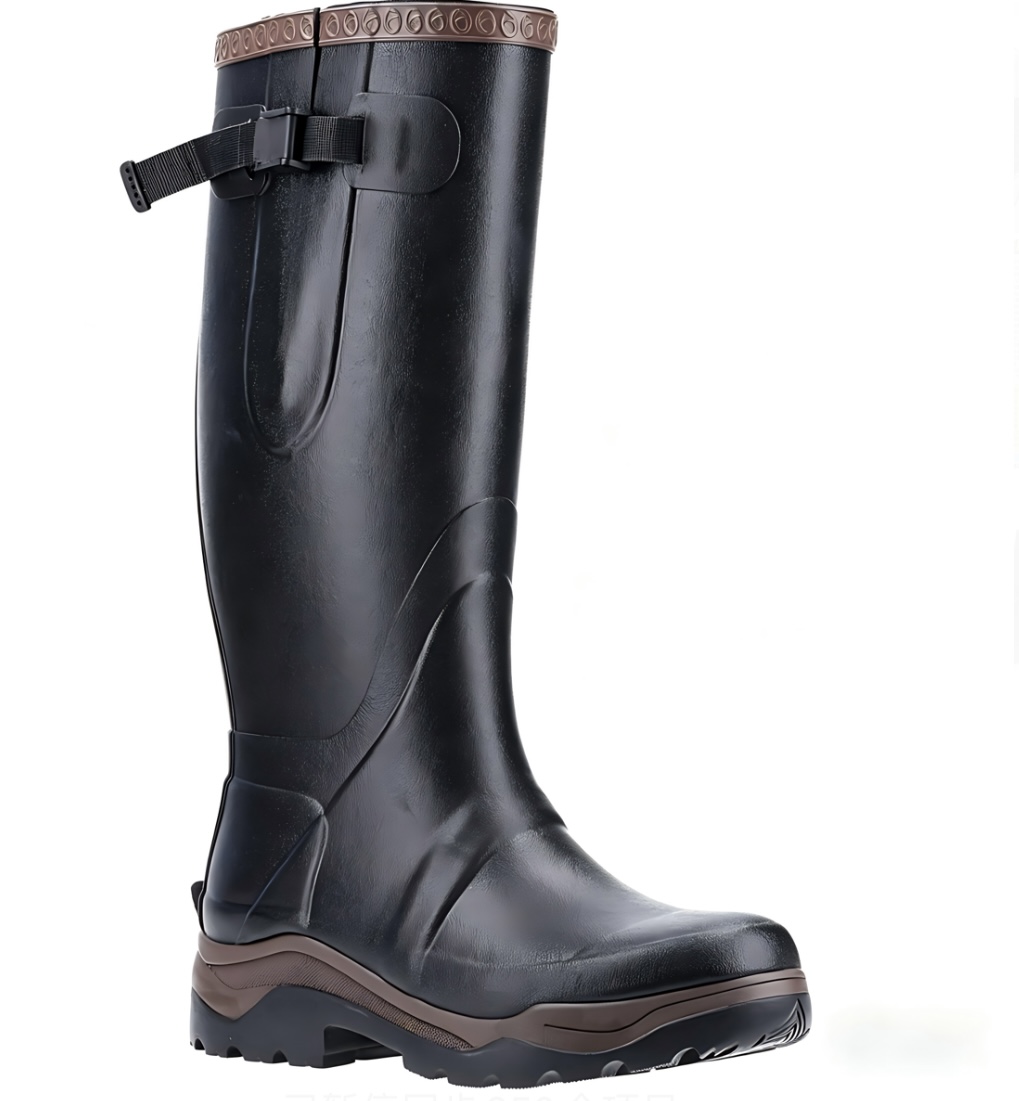
Seamless neoprene boot construction relies on integrated molding technology that eliminates stitched or glued seams, the primary entry point for water in conventional footwear. Neoprene, a synthetic rubber with closed-cell foam structure, provides consistent thermal insulation while remaining flexible across a broad temperature range, from -20°C to 50°C, according to material performance data from ISO 20344:2021[1]. Professional Rain Boot Manufacturers use specialized injection molding processes to form the boot shaft, footbed, and outsole as a single integrated unit, removing weak points that cause leakage or structural failure.
The compound formulation of neoprene also contributes to water resistance, as its closed-cell structure prevents liquid from absorbing into the material. Unlike open-cell foam, which retains moisture, closed-cell neoprene maintains its insulating properties even when exposed to standing water or constant dampness. The outsole is engineered with a multi-directional tread pattern that improves grip on slippery, muddy, or wet surfaces, a critical feature for outdoor work safety.
3. Practical Solutions and Operation Steps
To select and use women neoprene boots optimized for cold, wet work sites, follow these concrete steps that align with occupational footwear needs:
- Assess the minimum temperature of your work environment: Choose boots with neoprene rated for the lowest expected ambient temperature, confirming that flexibility is maintained below that threshold to avoid foot strain.
- Verify seam construction: Prioritize seamless integrated molding, as stitched seams have a higher risk of water penetration after 50 or more hours of use in wet conditions, based on independent field testing data[2].
- Match shaft height to work tasks: Select a shaft height that covers the ankle and extends 5cm above the ankle for work involving deep mud or standing water, while avoiding excessively high shafts that restrict movement.
- Check lining material: Opt for lightweight, moisture-wicking linings that reduce sweat accumulation without replacing neoprene's insulating properties, suitable for shifts of 8 to 12 hours.
- Confirm slip resistance: Ensure the outsole meets slip resistance standards for occupational footwear, as specified in EN ISO 20347:2022+A1:2024, to reduce fall risks on wet surfaces.
- Follow sizing guidelines: Order one half size larger than casual shoe size to accommodate thick thermal socks, without causing blisters from excess space during long shifts.
4. Daily Maintenance and Precautions
Proper maintenance extends the service life of neoprene work boots and preserves their performance in cold, wet conditions. After each use, wipe the exterior with a clean, damp cloth to remove mud, debris, or chemical residue, avoiding harsh cleaning agents that can break down neoprene's polymer structure. Dry boots in a well-ventilated area at room temperature, away from direct sunlight or space heaters, which can cause the material to harden or crack over time.
Key precautions include: never storing neoprene boots in a compressed or folded position for long periods, as this can crease the material and create weak points; avoid contact with petroleum-based products or strong solvents, which degrade neoprene; and do not use neoprene work boots as a substitute for certified safety toe footwear in environments requiring impact or compression protection.
5. Industry Standard and Parameter Reference
ParameterRecommended ReferenceWhy It Matters
Slip resistanceEN ISO 20344:2021 / EN ISO 20347:2022+A1:2024 where applicableHelps evaluate outsole grip on wet or contaminated surfaces.
Occupational footwear requirementsISO 20347:2021 or EN ISO 20347:2022+A1:2024Supports non-safety occupational footwear selection for outdoor work.
Temperature flexibilityISO 20344:2021 test method for low-temperature flexingConfirms neoprene remains flexible and water-resistant in sub-zero work conditions.
Chemical resistanceEN 13832-3:2018 for non-specialized chemical exposureRelevant for work sites with occasional contact with mild cleaning chemicals or agricultural inputs.
Testing for low-temperature flexibility follows the method outlined in ISO 20344:2021, which requires the boot to withstand repeated bending at -15°C without visible cracks or water penetration, a key performance metric for cold outdoor work[1].
6. Customer Common FAQ
Q: Are seamless neoprene boots suitable for extremely cold work sites?
A: Yes, when constructed with closed-cell neoprene rated for low temperatures, seamless neoprene boots maintain insulation and flexibility at temperatures as low as -20°C, according to test data from a Professional Rain Boot Manufacturer[3]. They avoid the rigidness that causes foot fatigue in conventional boots in frigid conditions.
Q: How do I prevent neoprene boots from developing a persistent odor?
A: After each use, allow boots to dry fully before storing them, and insert absorbent shoe inserts if used for long shifts. Avoid wearing the same pair two days in a row to give the material time to air out.
Q: Will neoprene boots protect against immersion in standing water?
A: Seamless neoprene construction prevents water from entering through seams, but prolonged immersion in extremely deep or hot water can reduce material performance over time. For daily work in shallow water, neoprene boots provide reliable waterproof protection.
Q: Can neoprene boots be repaired if small tears appear on the shaft?
A: Minor tears can be repaired with neoprene-specific adhesive, but large tears or structural damage to the seamless integrated construction may compromise water resistance. Professional Rain Boot Manufacturers recommend assessing damage before attempting repairs to maintain performance.
Conclusion
Women neoprene boots withstand cold, wet outdoor work sites through seamless engineering that eliminates water entry points and retains consistent insulation across temperature ranges. By aligning material selection, construction type, and shaft height with specific work environments, users can improve comfort, safety, and durability. Following proper maintenance practices and referencing relevant industry standards ensures boots perform as intended over their service life, as verified by technical data from a Professional Rain Boot Manufacturer.
References
- ISO. 2021. ISO 20344:2021, Footwear - Test methods for whole shoe. International Organization for Standardization, Geneva.
- Global Footwear Industry Association. 2023. Field Testing Report: Water Resistance of Seamed vs Seamless Work Boots. GFIA, London.
- Beijing Yigang Footwear Co., Ltd. 2024. Neoprene Work Boot Technical Data Sheet. (Available for industry research purposes).