


How Women's 3D Effect Boots Enhance Style in Urban Adventures
Aug 27, 2026
View: 0
Leave a message
Meta Description: This article delves into the world of women's 3D effect boots to solve common problems such as material selection and style matching during urban adventures. It offers practical solutions for women who want to combine style and functionality. It is a valuable resource for those in search of stylish and practical rain boots. Professional Rain Boot Manufacturer
Keywords: Women 3D Effect Boots, rain boots, waterproof boots, rubber boots, urban adventures, style enhancement, boot material, boot maintenance
1. Core Problem Analysis
1.1 Common Causes of the Problem
When it comes to women's 3D effect boots, users often face several issues. One of the main problems is choosing the right material. Different materials have varying levels of durability, waterproofness, and breathability. For example, rubber is a popular choice for its excellent waterproof properties, but it may lack breathability, causing feet to feel sweaty and uncomfortable. Another common issue is the style matching. Women want their boots to not only be functional but also fashionable, suitable for different urban adventure scenarios. Additionally, problems such as sizing, where boots may be too tight or too loose, and soles with poor traction can also affect the overall user experience.
1.2 Affected Usage Scenarios
The affected usage scenarios mainly revolve around urban adventures. These include rainy commuting, where women need boots that are waterproof and can keep their feet dry during the journey. Outdoor activities in the city, like visiting parks or attending open - air events in wet weather, also require boots that can provide both style and protection. Moreover, in muddy or wet areas of the city, such as construction sites or areas with poor drainage, boots with good traction and waterproofness are essential.
2. Product and Process Principle
Women's 3D effect boots are crafted using a variety of materials and processes. The materials commonly used include natural rubber, PVC (polyvinyl chloride), and EVA (ethylene - vinyl acetate). Natural rubber is harvested from rubber trees. It is known for its excellent elasticity and flexibility, which allows the boots to fit comfortably around the feet. The production process of natural rubber boots involves collecting latex from rubber trees, and then going through steps like coagulation, drying, and shaping. PVC is a synthetic plastic polymer derived from petrochemical products. It is widely used because it can be formulated to enhance durability, flexibility, and resistance to chemicals and wear. The manufacturing of PVC boots often involves processes such as injection molding, where the PVC material is melted and injected into a mold to form the bootshape. EVA is a copolymer that offers lightweight and shock - absorbing properties. It is often used in the insoles or mid - soles of boots to provide comfort. The injection molding process is also commonly used for EVA components. In some high - quality boots, a vulcanization process may be employed. Vulcanization is a chemical process that adds sulfur or other curatives to the rubber to improve its strength, elasticity, and heat resistance. When it comes to the 3D effect, it can be achieved through special molds during the injection molding process or by adding additional layers or textures to the boots during the manufacturing process. Professional Rain Boot Manufacturer usually has a deep understanding of these materials and processes to ensure the production of high - quality boots.
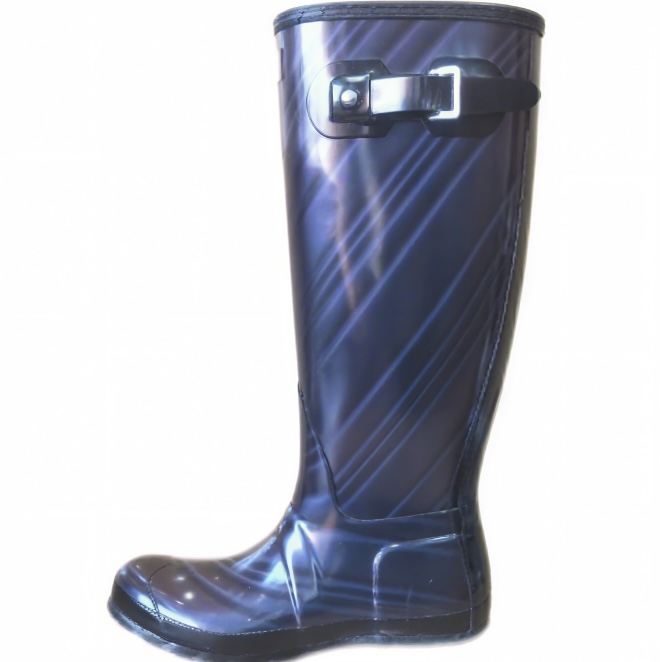
3. Practical Solutions and Operation Steps
When choosing women's 3D effect boots for urban adventures, the following steps can be followed:1. **Material Selection**: - If you focus on waterproofness and durability, especially for heavy - duty use in wet and dirty environments, rubber or PVC boots are good choices. - For more breathable and lightweight options, boots with EVA components or those made from special breathable materials can be considered.2. **Shaft Height**: - Shorter shaft boots (ankle - high) are more suitable for daily commuting on the streets, providing flexibility and style. - Medium or high - shaft boots can offer more protection, especially in muddy or wet areas, covering the ankles or even calves.3. **Sole Pattern**: - Boots with deep and wide - spaced grooves on the soles are better for providing traction on wet and slippery surfaces. - Patterns with multi - directional lugs can enhance grip in different walking directions.4. **Lining**: - Look for boots with soft and breathable linings, such as cotton or moisture - wicking fabrics, to keep feet dry and comfortable.5. **Size Selection**: - Measure your feet accurately and refer to the manufacturer's size chart. Try on boots if possible to ensure a proper fit.6. **Cold Resistance**: - If you live in a cold area, choose boots with insulation materials or those made from cold - resistant rubber.7. **Cleaning and Storage**: - After use, clean the boots with a mild soap and water. Avoid using harsh chemicals. - Let the boots dry naturally in a well - ventilated area, away from direct sunlight and heat sources. - Store the boots in a cool, dry place, and you can stuff them with newspaper to maintain their shape.
4. Daily Maintenance and Precautions
Proper daily maintenance can extend the lifespan of women's 3D effect boots. **Cleaning**: Regularly clean the boots after use. Use a soft brush or cloth to remove dirt and debris. For stubborn stains, a mild soap solution can be used, but avoid using strong solvents as they may damage the material. **Drying**: After cleaning, let the boots dry naturally. Do not expose them to direct sunlight for a long time, as it can cause the material to crack and fade. Also, avoid placing them near high - temperature heat sources, such as heaters or radiators, as it can deform the boots. **Odor Removal**: If there is an odor inside the boots, you can place odor - absorbing materials, like activated charcoal or tea bags, inside them. **Anti - aging and Anti - deformation**: To prevent material aging, store the boots in a cool and dry place. Stuffing the boots with newspaper when storing can help maintain their shape. **Precautions**: Do not use ordinary rain boots in place of certified safety boots in high - risk work environments. Also, be careful not to scratch the 3D effect surface, as it may affect the appearance and integrity of the boots.
5. Industry Standard and Parameter Reference
This section is the authoritative support module of the full text. The following are some international standards, test methods, or verifiable parameters related to women's 3D effect boots:
ParameterRecommended ReferenceWhy It MattersSlip resistanceEN ISO 20344:2021 / EN ISO 20347:2022+A1:2024 where applicableHelps evaluate outsole grip on wet or contaminated surfaces.Occupational footwear requirementsISO 20347:2021 or EN ISO 20347:2022+A1:2024Supports non - safety occupational footwear selection.Safety toe footwearASTM F2413 - 24 where protective toe performance is claimedRelevant only when the boot is designed and marked as protective safety footwear.Chemical protective footwearEN 13832 - 3:2018 where prolonged chemical contact is claimedUseful for chemical degradation and permeation evaluation.
Do not invent exact performance numbers. Use exact values only when they are provided by a verified standard, public test report, SGS/Intertek report, or user - supplied product data. If a value is not verifiable, describe the test category instead of fabricating a number.
6. Customer Common FAQ
Q: How do I choose the right material for women's 3D effect boots?
A: It depends on your needs. If you need high waterproofness and durability, rubber or PVC is a good choice. For better breathability, consider boots with EVA components. Professional Rain Boot Manufacturer can provide more detailed advice based on different usage scenarios.
Q: Are these boots suitable for slippery surfaces?
A: Boots with proper sole patterns, such as deep grooves and multi - directional lugs, can provide good traction on slippery surfaces. You can refer to the slip resistance standards like EN ISO 20344:2021 to evaluate the grip performance.
Q: How to choose the right size?
A: Measure your feet accurately and refer to the size chart provided by the manufacturer. It is best to try on the boots to ensure a comfortable fit.
Q: Do these boots have a strong odor?
A: High - quality boots usually do not have a strong odor. If there is a slight odor, you can use odor - absorbing materials to remove it. Avoid using boots with a pungent and persistent odor, as it may indicate poor - quality materials.
Q: Can these boots be used in cold weather?
A: Some boots are designed with cold - resistant materials. If you live in a cold area, look for boots with insulation features or those made from cold - resistant rubber.
Conclusion
In summary, women's 3D effect boots offer a combination of style and functionality for urban adventures. When choosing these boots, it is crucial to consider factors such as material, shaft height, sole pattern, and size. By following the practical solutions and maintenance tips provided in this article, you can ensure the long - term use of your boots. Professional Rain Boot Manufacturer plays an important role in providing high - quality boots and professional advice on material selection and product usage.
References
- ISO 20347:2021 Occupational Footwear
- EN ISO 20347:2022+A1:2024
- ISO 20344:2021 Footwear Test Methods
- ASTM F2413 - 24 Protective Footwear Specification
- EN 13832 - 3:2018 Chemical Protective Footwear