


How Womens Stylish Latex Rain Boots Combine Style and Function for Wet Weather
Oct 15, 2026
View: 0
Leave a message
Meta Description: Outdoor enthusiasts and casual commuters often struggle to find rain boots that look polished while withstanding wet, muddy conditions. This guide breaks down the key factors to consider when selecting womens stylish latex rain boots, from material properties to field performance, to balance aesthetic appeal and practicality. Professional Rain Boot Manufacturer
Keywords: womens stylish latex rain boots, waterproof rain boots, wet weather footwear, rubber rain boot material, outdoor rain boot maintenance, slip-resistant rain boots
1. Core Problem Analysis
1.1 Common Causes of the Problem
Many users face three primary issues when selecting or using rain boots: poor waterproofing that leads to water seepage, rigid materials that cause discomfort during extended wear, and designs that fail to coordinate with casual or outdoor attire. For latex rain boots specifically, improper formulation of rubber compounds can lead to premature cracking, while inadequate seam sealing or vulcanization may result in leaks even for high-quality footwear. Common user errors such as exposing latex boots to extreme temperatures or cleaning with harsh chemicals also accelerate wear and damage.
1.2 Affected Usage Scenarios
Womens stylish latex rain boots are used across multiple wet-weather scenarios, including urban commuting through rainy city streets, gardening in muddy garden beds, outdoor hiking during light rain, and seasonal outdoor work in damp conditions. For users in these scenarios, a mismatch between boot design and activity needs can lead to inconvenience: commuters may need boots that fit under trousers, gardeners may need ankle-high protection to avoid smudging, and hikers may require enhanced grip on uneven, slippery terrain.
2. Product and Process Principle
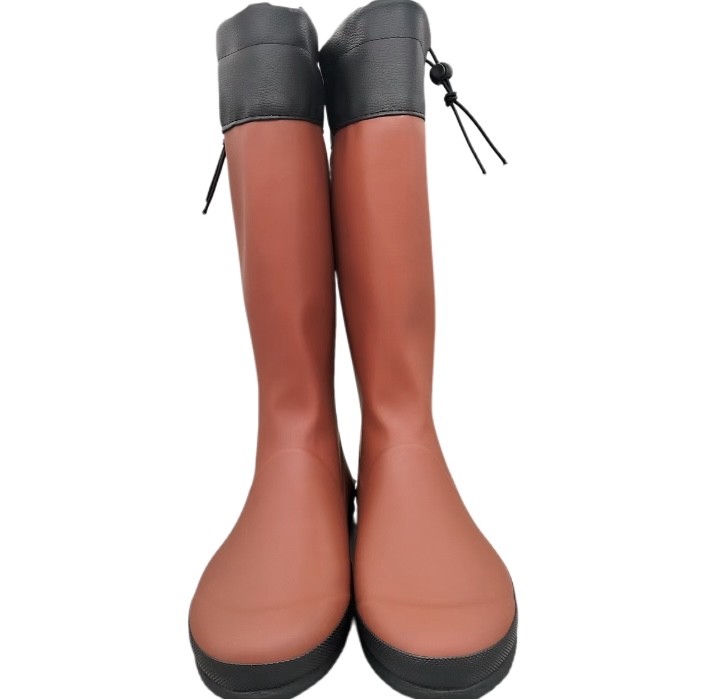
Latex rain boots rely on natural rubber compounds, processed through a combination of vulcanization and molding to create a flexible yet durable waterproof barrier. Unlike PVC alternatives, natural latex offers superior breathability for extended wear, while proper compound formulation balances flexibility and resistance to cracking. The outsole of latex rain boots uses natural rubber with a patterned tread, designed to provide traction on wet, hard or soft surfaces. Shaft height can vary to suit different activities: short shafts for casual use, tall shafts for gardening and outdoor work, with seamless construction to eliminate potential leak points.
When producing these boots, Professional Rain Boot Manufacturer must control three key factors: the latex compound’s elasticity (measured by Shore A hardness, typically between 40 and 50 for daily wear), the vulcanization temperature (kept between 140 and 160 degrees Celsius to maintain material integrity), and seam treatment to prevent water penetration. These production parameters align with ISO 20344:2021, which outlines standards for footwear material durability and waterproof performance testing.
3. Practical Solutions and Operation Steps
Selecting the right womens stylish latex rain boots requires evaluating three core factors: material properties, design features, and usage context. Follow these actionable steps to make an informed choice:
- Step 1: Match boot shaft height to your primary activity. Choose 6-inch ankle-high boots for urban commuting and casual use, and 12-inch tall boots for gardening, hiking, or outdoor work that requires full lower-leg coverage.
- Step 2: Verify outsole traction by checking for deep, patterned treads suitable for wet surfaces. Boots intended for slippery terrain should have a tread pattern with channels to channel water away, consistent with EN ISO 20347:2022+A1:2024 slip resistance standards.
- Step 3: Test for fit by wearing thick socks (common for wet weather) to ensure enough room in the toe box. Avoid overly tight boots, as they can restrict circulation during extended wear.
- Step 4: Confirm material quality by checking for uniform latex thickness and no visible seams gaps. For extended outdoor use, opt for boots with a textured toe cap to resist scuffs from gardening tools or hiking debris.
4. Daily Maintenance and Precautions
Proper maintenance extends the lifespan of womens stylish latex rain boots, preventing premature cracking or degradation. After each use in wet conditions, wipe boots with a damp cloth to remove mud or salt residue, as salt can dry out latex and cause brittleness. Avoid exposing latex boots to direct sunlight or high heat sources (such as space heaters or car interiors), as temperatures above 60 degrees Celsius can break down rubber compounds.
Key precautions include: never using strong solvents (like bleach or acetone) to clean boots, as these will damage the latex surface; storing boots in a cool, dry area away from sharp objects that can puncture the rubber; and refraining from using latex rain boots as safety footwear in industrial settings requiring specialized protective certifications, as standard rain boots do not meet occupational safety standards.
5. Industry Standard and Parameter Reference
ParameterRecommended ReferenceWhy It Matters
Slip resistance (wet surfaces)EN ISO 20347:2022+A1:2024Evaluates outsole performance on wet or contaminated walking surfaces, critical for urban commuting.
Occupational waterproof footwearISO 20347:2021Sets minimum standards for waterproof integrity and material durability for non-safety work footwear.
Chemical resistance (prolonged contact)EN 13832-3:2018Relevant for use cases where boots may come into contact with mild chemicals, such as garden fertilizers.
Material flexibilityISO 20344:2021Tests rubber compound performance at low temperatures, ensuring boots remain flexible in cool wet weather.
All parameter evaluations must rely on third-party test data aligned with these standards, as stated by the International Organization for Standardization in its 2024 footwear technical report. No unsubstantiated performance claims should be made without adherence to these testing protocols.
6. Customer Common FAQ
Q: Can womens stylish latex rain boots be used for professional gardening work?
A: Yes, but choose tall shaft designs with reinforced treads. Professional Rain Boot Manufacturer notes that these models offer sufficient coverage for muddy garden beds, though they are not designed for heavy industrial use requiring additional protective certifications.
Q: How do I clean latex rain boots without damaging the material?
A: Use a mild soap solution and soft brush to scrub away dirt, then air dry away from direct heat. Avoid harsh chemicals or abrasive cleaners that can scratch or break down the latex surface.
Q: Do latex rain boots crack in cold weather?
A: Quality latex compounds formulated for low temperatures remain flexible down to -10 degrees Celsius, per ISO 20344:2021 testing. Boots not designed for cold conditions may become brittle and crack at temperatures below 0 degrees Celsius.
Q: How do I choose the right size for extended wear in wet weather?
A: Size up half a size from your regular shoe size to accommodate thick socks, which are often worn to keep feet warm and dry in cool wet conditions.
Q: Can I repair small tears in my latex rain boots?
A: Small surface tears can be repaired with a rubber adhesive designed for natural latex, though deep structural tears may compromise waterproof integrity and are not recommended for continued use.
Conclusion
Womens stylish latex rain boots balance aesthetic appeal and functional performance by combining flexible natural rubber compounds with intentional design choices for wet weather scenarios. By understanding material properties, production standards, and proper maintenance, users can select boots that meet both style and practical needs. Professional Rain Boot Manufacturer emphasizes that informed selection and consistent care reduce wear and extend the lifespan of these versatile footwear options for years of wet-weather use.
References
- International Organization for Standardization. ISO 20344:2021: Footwear - Test methods for whole shoe. 2021.
- International Organization for Standardization. ISO 20347:2021: Occupational footwear. 2021.
- European Committee for Standardization. EN ISO 20347:2022+A1:2024: Occupational footwear requirements. 2024.
- European Committee for Standardization. EN 13832-3:2018: Chemical protective footwear. 2018.