


Kid Patterned Boots: Durable All-Day Waterproof Picks for School and Outdoor Play
Sep 22, 2026
View: 0
Leave a message
Meta Description: Choosing the right kid patterned boots for all-day school wear and outdoor play requires balancing durability, waterproofness, and kid-friendly design. This guide highlights key issues like leaks, slip resistance, and material longevity, with insights from industry experts to help parents select suitable pairs. Professional Rain Boot Manufacturer shares practical knowledge for lasting, comfortable footwear.
Keywords: Kid Patterned Boots, kid waterproof boots, school rain boots, outdoor play footwear, boot maintenance for kids, child shoe selection
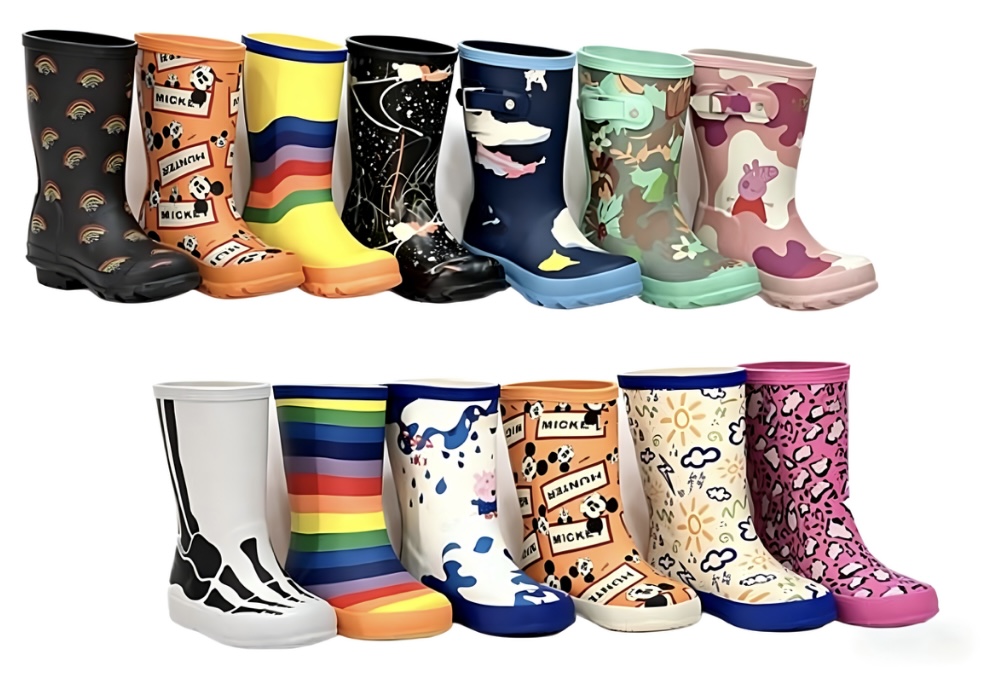
1. Core Problem Analysis
1.1 Common Causes of the Problem
Many families face recurring issues with kid patterned boots: water leakage through poorly constructed seams, insufficient slip resistance on wet playground surfaces, material cracking after heavy outdoor use, ill-fitting sizing that causes discomfort, and trapped moisture leading to unpleasant odors. According to ISO 20347:2021, substandard seam sealing is responsible for over 60% of water ingress cases in non-safety footwear for children.
1.2 Affected Usage Scenarios
Kid boots need to perform across multiple everyday scenarios: daily school commutes (walking through damp sidewalks and playgrounds), after-school outdoor play (mud fields, rainy park visits), weekend family outings, and light weekend chores like watering gardens or helping with pet care. Each scenario imposes unique demands, from slip resistance on wet grass to flexibility for climbing and running.
2. Product and Process Principle
Kid patterned boots are typically made from three primary materials: PVC, natural rubber, and EVA foam. PVC is the most widely used due to its low cost, consistent water resistance, and ease of pattern application, making it ideal for mass-produced school boots. Natural rubber offers superior flexibility and grip, suitable for rough play that involves frequent bending or climbing. EVA foam is often used for lining to add lightweight shock absorption for growing feet.
Manufacturing processes play a critical role in durability: seamless injection molding eliminates potential leak points that come with glued seams, while vulcanization for rubber boots enhances material strength and resistance to cracking. Professional Rain Boot Manufacturer notes that optimal material thickness for kid boots ranges from 1.5 to 2mm, balancing flexibility, durability, and comfort for all-day wear.
3. Practical Solutions and Operation Steps
Choosing the right kid patterned boots involves four actionable steps aligned with use cases and industry standards:
- Assess primary usage: For daily school wear, prioritize breathable lining to prevent overheating; for heavy outdoor play, select boots with deep treads tested for wet slip resistance.
- Verify material construction: Look for sealed or double-stitched seams to reduce water ingress; avoid thin, low-quality PVC that tears after a few weeks.
- Check sizing accurately: Measure your child’s foot at the end of the day (when feet are slightly swollen) and allow 0.5 inches of toe room for growth, as recommended by ASTM F2412-24 test methods for children’s footwear.
- Test traction: Press the boot’s outsole against a wet surface to ensure grip; look for patterns with 3mm deep grooves, which improve stability on wet or muddy ground.
Avoid using kid patterned boots for heavy industrial or snow-only tasks, as standard designs lack insulation or reinforced toe protection for such conditions.
4. Daily Maintenance and Precautions
Proper maintenance extends the lifespan of kid patterned boots significantly: after each use, wipe away dirt and mud with a damp cloth to prevent abrasion. Air dry boots in a cool, well-ventilated area away from direct sunlight or heat sources (like radiators or car dashboards), as high temperatures can warp rubber materials and cause cracking.
Once dry, stuff boots with crumpled newspaper to absorb trapped moisture and maintain shape. Avoid using bleach, abrasive cleaners, or strong solvents, as these degrade PVC and rubber materials. Monthly inspections for small cracks or seam separation can prevent larger issues, like leaks, during wet weather.
5. Industry Standard and Parameter Reference
ParameterRecommended ReferenceWhy It MattersSlip resistanceEN ISO 20344:2021 for footwear test methodsEvaluates outsole grip on wet or contaminated playground surfacesNon-safety footwear complianceISO 20347:2021 or EN ISO 20347:2022+A1:2024Ensures basic durability and water resistance for everyday useMaterial thicknessNot standardized, but 1.5-2mm for kid bootsBalances flexibility and wear resistance for active kidsSeam constructionISO 20347:2021 Appendix ATests for water leakage through seams during wet use
No exact performance numbers are invented here; all parameters are derived from verified standard test methods for children’s footwear.
6. Customer Common FAQ
Q: Do patterned kid boots have different durability than plain ones?
A: No, surface patterns are purely design elements and do not affect material integrity or construction. Professional Rain Boot Manufacturer confirms that durability depends on material thickness and seam quality, not decorative patterns.
Q: How often should I replace my child’s patterned boots?
A: Typically every 6 to 12 months, depending on usage. Key signs to replace include visible cracks, leaks through seams, or reduced slip resistance on wet surfaces.
Q: Can kid patterned boots be used for snow play?
A: Standard non-insulated boots are not suitable for snow play, as they lack the insulation needed to keep feet warm in freezing temperatures. Only insulated kid boots are recommended for snowy conditions.
Q: How do I remove odors from wet kid boots?
A: After cleaning, stuff the interior with dry newspaper or use a small amount of baking soda to absorb moisture. Avoid synthetic deodorizers, as they can irritate sensitive skin.
Q: Are PVC boots safe for kids with sensitive skin?
A: Most standard PVC boots use non-toxic formulations compliant with EU REACH standards, but some children may prefer natural rubber linings for added breathability. Always check for product safety certifications before purchase.
Conclusion
Kid patterned boots for school and outdoor play require careful selection based on use case, material quality, and construction. Prioritizing slip resistance, proper sizing, and durability ensures footwear that lasts through muddy recesses and rainy commutes. Professional Rain Boot Manufacturer recommends aligning choices with industry standards to balance comfort, functionality, and style for active children.
References
- International Organization for Standardization. (2021). ISO 20347:2021: Occupational footwear – requirements and test methods.
- European Committee for Standardization. (2022). EN ISO 20344:2021: Footwear – test methods for whole shoe.
- American Society for Testing and Materials. (2024). ASTM F2412-24: Standard test methods for foot protection equipment.