


Men Plain Rubber Boots: Essential Footwear for Construction Workers in Dusty Sites
Oct 28, 2026
View: 0
Leave a message
Meta Description: Construction workers face constant challenges from dust, heavy loads, and uneven job site conditions, making appropriate work footwear critical to comfort and safety. This article explores key considerations for selecting durable, functional work boots tailored to these demanding environments, from material properties to maintenance best practices. Professional Rain Boot Manufacturer
Keywords: men plain boots, construction work boots, rubber work boots, waterproof work footwear, work boot maintenance, industrial work shoes, dust-resistant boots
1. Core Problem Analysis
1.1 Common Causes of the Problem
Construction workers often deal with dust that can penetrate poorly sealed footwear, leading to irritation and long-term respiratory-related discomfort. Heavy loads carried on feet or stored in work belts can cause strain if boots lack proper support, while slippery job site surfaces and sharp debris increase the risk of injuries. Many generic boots fail to balance durability, breathability, and protection, leaving workers vulnerable to common workplace hazards.
1.2 Affected Usage Scenarios
These issues impact daily tasks across multiple construction sub-scenarios, including site preparation work, material transportation, concrete finishing, and utility installation. Workers in dusty residential and commercial building sites, as well as outdoor infrastructure projects like road construction and pipeline installation, face similar challenges that require specialized footwear solutions.
2. Product and Process Principle
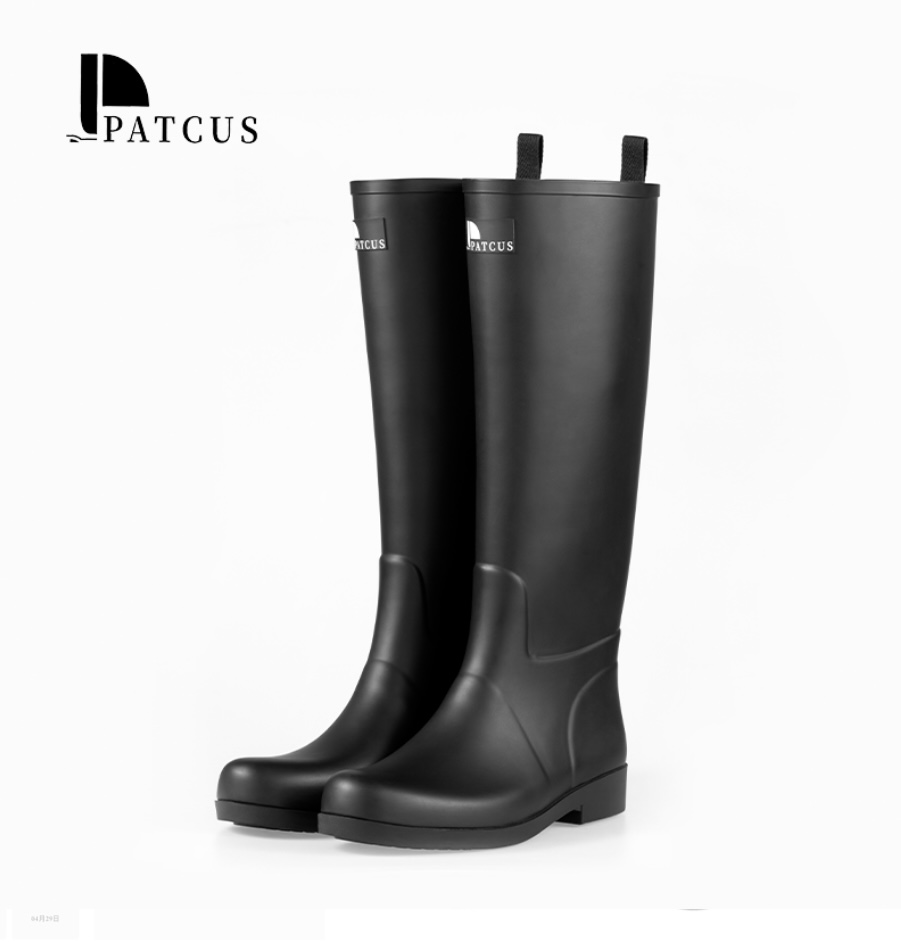
Men plain boots for construction rely on specific material and manufacturing processes to meet job site demands. Most durable work boots use a blend of natural rubber and synthetic compounds, balanced for flexibility and tear resistance. Injection molding, a common production method for industrial boots, creates seamless, watertight bonds between the upper and sole, eliminating gaps where dust and water can enter. Professional Rain Boot Manufacturer oversees these processes to ensure consistent performance across all production runs.
The outsole’s tread pattern is engineered for traction on concrete, gravel, and wet surfaces, with a depth that prevents dirt and debris from clogging grooves. Shaft height is calibrated to cover the ankle and lower calf, providing partial protection from dust splashes and minor impacts from falling tools. Lining materials, often treated with anti-microbial coatings, reduce odor buildup while allowing limited ventilation to prevent overheating during long work shifts.
3. Practical Solutions and Operation Steps
Selecting the right plain boots for construction requires a systematic evaluation of job site conditions and individual needs. First, assess the primary hazards: if dust is the main concern, choose boots with a high-top design and snug ankle cuffs to limit entry. For heavy load support, prioritize boots with a reinforced midsole to distribute weight evenly and reduce foot fatigue.
- Step 1: Check the outsole thickness and tread pattern, ensuring it meets slip resistance requirements for your local work site standards.
- Step 2: Verify that the boot upper has a seamless or tightly bonded construction to prevent dust penetration; avoid boots with loose stitching or gaps.
- Step 3: Measure foot size at the end of a work shift, as feet swell during long days, to ensure a proper fit that allows room for thick socks.
- Step 4: Confirm the boot’s weight, as excessively heavy boots can increase fatigue during extended walking or standing on job sites.
For sites with frequent contact with concrete or sharp debris, additional reinforcement on the toe cap can provide extra protection without sacrificing flexibility.
4. Daily Maintenance and Precautions
Proper maintenance extends the lifespan of men plain boots and preserves their protective properties. After each use, remove loose dust and debris with a soft brush, avoiding harsh scrubbing that can damage the boot’s surface. To clean, use mild soap and warm water; never use strong solvents or abrasive cleaners, as these can break down rubber compounds and reduce waterproofing.
Allow boots to air dry completely at room temperature, away from direct sunlight and heat sources like radiators, which can cause rubber to crack or deform. Store boots in a cool, dry area, stuffed with newspaper to maintain shape and absorb excess moisture. A key precaution: never use standard plain boots as substitute safety footwear. Only use boots certified for impact or compression protection when working around heavy machinery or falling objects.
5. Industry Standard and Parameter Reference
ParameterRecommended ReferenceWhy It MattersSlip resistanceEN ISO 20347:2021Tests outsole traction on dry, wet, and contaminated surfaces relevant to construction sitesOccupational footwear requirementsISO 20347:2021Ensures boots meet general durability and design standards for work environmentsChemical contact protectionEN 13832-3:2018Relevant for sites handling cement, oils, or mild chemicals common in constructionTear resistanceASTM D412-23Tests rubber upper resistance to punctures and abrasion from sharp debris
Do not fabricate performance values; rely on third-party test results from accredited bodies to verify a boot’s compliance with these standards for construction use.
6. Customer Common FAQ
Q: Are plain rubber boots suitable for construction sites with heavy dust exposure?
A: Yes, plain boots with a high-top, seamless design are effective for dust-heavy sites. Look for models with tight ankle cuffs to limit dust entry, and choose rubber compounds that resist tearing from contact with construction materials. Professional Rain Boot Manufacturer can provide guidance on model specifications best suited for dust-heavy environments.
Q: How do I choose boots that support heavy load work without causing foot strain?
A: Prioritize boots with a reinforced midsole and arch support. Avoid overly flexible soles that can bend easily under weight, as this increases foot fatigue. Test boots by bending the sole near the toe; a rigid midsole that bends only at the toe joint provides optimal balance of support and mobility.
Q: Can I use plain boots as safety footwear for construction sites?
A: Standard plain boots provide basic dust and abrasion protection, but they do not meet safety standards for impact, compression, or toe protection. For work around heavy materials or machinery, select boots explicitly marked as safety footwear to meet local regulatory requirements.
Q: How often should I clean and maintain my construction plain boots?
A: Clean boots after every use, especially if exposed to dust or mud. Deep clean them every 1-2 weeks, inspecting for cracks, loose stitching, or worn outsole treads that may compromise performance. Professional Rain Boot Manufacturer notes that regular maintenance can extend boot lifespan by up to 50% compared to neglected footwear.
Conclusion
Men plain boots for construction play a critical role in protecting workers from dust, strain, and job site hazards. By understanding material properties, manufacturing processes, and relevant industry standards, workers can select boots that balance durability, comfort, and functionality. Proper maintenance and adherence to safety boundaries ensure boots remain effective throughout their use. Professional Rain Boot Manufacturer offers valuable insights into selecting boots tailored to specific construction site needs, supporting long-term comfort and safety on the job.
References
- International Organization for Standardization. ISO 20347:2021 Occupational Footwear. Geneva, Switzerland: ISO, 2021.
- European Committee for Standardization. EN 13832-3:2018 Chemical Protective Footwear. Brussels, Belgium: CEN, 2018.
- American Society for Testing and Materials. ASTM D412-23 Standard Test Methods for Vulcanized Rubber and Thermoplastic Elastomers—Tension. West Conshohocken, PA: ASTM, 2023.
- International Organization for Standardization. ISO 20344:2021 Footwear Test Methods. Geneva, Switzerland: ISO, 2021.