


Men's Knee-high Latex Boots for Heavy-duty Industrial Wet Work Environments
Nov 5, 2026
View: 0
Leave a message
Meta Description: Industrial workers in wet, messy environments face constant challenges with boot durability, grip, and protection. This guide breaks down key factors to consider when selecting work boots for these conditions, ensuring you make an informed choice for long-term performance. Professional Rain Boot Manufacturer
Keywords: men knee-high latex boots, heavy-duty work boots, industrial wet work, rubber work boots, waterproof work footwear, boot material principle, work boot maintenance
1. Core Problem Analysis
1.1 Common Causes of the Problem
For workers in heavy-duty industrial wet environments, the most frequent issues with standard work boots include premature cracking due to prolonged exposure to moisture and chemicals, poor slip resistance on contaminated surfaces, excessive sweat buildup leading to discomfort, and inadequate knee-high coverage to prevent water or debris from entering the boot shaft. Many off-the-shelf boots also fail to match the demands of repetitive, long-hour work tasks, leading to frequent replacements that add long-term costs.
1.2 Affected Usage Scenarios
These problems directly impact workers in sectors such as food processing, waste management, chemical handling, livestock farming, water treatment, and outdoor industrial cleaning. In these scenarios, boots are exposed to constant water, oils, debris, and occasional mild chemicals, making standard footwear insufficient for consistent protection and performance.
2. Product and Process Principle
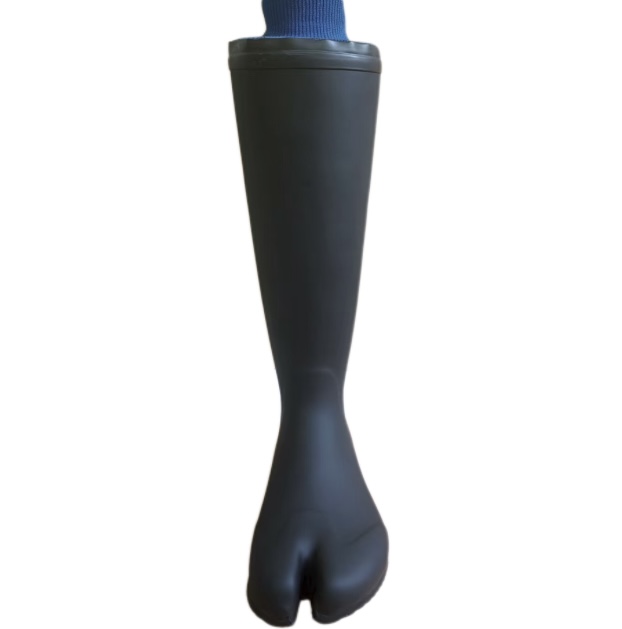
Men’s knee-high latex work boots rely on the unique properties of natural latex rubber, a material valued for its elasticity, tear resistance, and water impermeability, which differentiates it from synthetic alternatives like PVC. The manufacturing process for heavy-duty latex boots uses vulcanization, a method that bonds rubber compounds under controlled heat and pressure to create a seamless, durable structure that prevents leaks at potential weak points like seams. Professional Rain Boot Manufacturer notes that proper compound formulation is critical here: adding specific vulcanizing agents and fillers enhances the material’s resistance to abrasion and prolonged moisture exposure without sacrificing flexibility.
The shaft height of knee-high boots is specifically engineered to cover the lower leg, preventing water, mud, or small debris from entering during movement. The outsole is designed with deep, multi-directional tread patterns optimized for grip on wet or slippery surfaces, while a breathable inner lining addresses the issue of trapped sweat, reducing discomfort during long work shifts. Unlike injection-molded plastic boots, the vulcanized latex construction allows the boot to flex naturally with the foot’s movements, reducing fatigue during extended use.
3. Practical Solutions and Operation Steps
When selecting men’s knee-high latex boots for heavy-duty industrial wet work, follow these actionable steps to ensure suitability for your specific tasks:
- Confirm the required shaft height: Knee-high coverage is necessary for environments where lower legs are at risk of contact with water, chemicals, or debris, while shorter heights may suffice for less extreme scenarios.
- Check outsole tread design: Opt for boots with deep, irregular tread patterns, which perform better on wet, slippery, or muddy surfaces than smooth or shallow treads, per ISO 20344:2021 footwear test standards.
- Verify material integrity: Look for boots made with full latex compound (not layered rubber or synthetic overlays) to ensure consistent waterproofing and durability in heavy use.
- Match lining to your needs: For workers in hot environments, choose boots with moisture-wicking inner linings; for cold settings, select boots with insulated, water-resistant linings to maintain warmth.
- Test fit carefully: Ensure boots have enough toe room for foot swelling during long shifts, and confirm the calf circumference accommodates workwear like thick socks or pant legs without cutting off circulation.
- Align with task-specific requirements: For workers handling mild chemicals, select boots labeled for limited chemical resistance, while those in clean food processing environments may prioritize non-contaminating latex compounds.
4. Daily Maintenance and Precautions
Proper maintenance extends the lifespan of knee-high latex work boots, reducing the need for frequent replacements. After each use, wipe the exterior with a damp cloth to remove mud, chemicals, or debris, as these substances can degrade the rubber compound over time. For interior cleaning, use a mild soap solution and rinse thoroughly, then air dry the boots in a cool, shaded area—never expose them to direct sunlight or high heat sources like radiators, as this will cause the latex to crack and lose elasticity.
Additional precautions include avoiding contact with strong solvents, petroleum-based products, or sharp tools that can puncture the boot surface. When storing boots, keep them in a well-ventilated, dry space, and stuff them with newspaper to maintain their shape, preventing the shaft from bending or deforming during long periods of non-use. Never use standard rain boots as a replacement for certified protective safety footwear, as they may lack necessary impact or compression resistance for high-risk industrial tasks.
5. Industry Standard and Parameter Reference
ParameterRecommended ReferenceWhy It MattersSlip resistanceEN ISO 20347:2022+A1:2024 (where applicable)Evaluates outsole grip on wet, oily, or contaminated work surfaces to reduce slip-related accidentsOccupational footwear requirementsISO 20347:2021 or EN ISO 20347:2022+A1:2024Covers basic performance standards for non-safety work footwear used in general industrial environmentsChemical protective footwearEN 13832-3:2018 (for limited chemical contact)Tests latex compound resistance to mild chemicals for tasks involving brief exposure to non-corrosive substancesWaterproof performanceISO 20344:2021 (Section 7: Water Resistance)Verifies the boot structure prevents water infiltration through seams or material in wet conditions
All referenced standards define test methods for evaluating boot performance, and exact performance values are determined through third-party testing by accredited labs such as SGS or Intertek. These standards help workers and buyers confirm that boots meet consistent, industry-recognized performance criteria rather than relying on unsubstantiated product claims.
6. Customer Common FAQ
Q: How do I know if latex boots are suitable for my industrial wet work?
A: Latex boots are suitable for most general heavy-duty wet work, such as water treatment, livestock farming, and food processing, when designed with vulcanized construction and full latex compound. For work involving prolonged exposure to strong acids or solvents, consult a boot professional, as some specialized materials may be required. Professional Rain Boot Manufacturer can provide additional guidance on material suitability based on specific task conditions.
Q: Can I use latex boots for cold outdoor work environments?
A: Standard latex boots perform well in moderate cold temperatures, but extreme cold (below -10°C / 14°F) may reduce latex flexibility, increasing the risk of cracking. Look for boots formulated with cold-resistant additives if working in sub-zero conditions, and avoid leaving boots in freezing temperatures when not in use.
Q: How often should I clean my knee-high latex work boots?
A: Clean boots after every use, especially if they have been exposed to mud, chemicals, or saltwater. For frequent use in wet environments, a deep clean with mild soap every two weeks will help prevent residue buildup that can degrade the latex material over time.
Q: Are latex boots better than PVC boots for heavy industrial work?
A: Latex boots offer better elasticity and tear resistance than standard PVC boots, making them more durable for repetitive, high-flex work tasks. However, PVC boots may be more affordable for less demanding applications; the choice depends on your specific work’s durability requirements and budget.
Q: What should I do if my latex boot develops a small crack?
A: Minor surface cracks can be repaired with a specialized rubber adhesive designed for latex materials. For cracks that penetrate the boot’s inner lining or affect structural integrity, replace the boot, as a compromised seal will lead to water infiltration and reduce protection.
Conclusion
Men’s knee-high latex boots for heavy-duty industrial wet work require careful consideration of material properties, construction, and task-specific requirements to ensure reliable performance and durability. By aligning boot features with industry standards and maintenance best practices, workers can extend their footwear lifespan and reduce the costs of frequent replacements. Professional Rain Boot Manufacturer notes that selecting boots tested against recognized standards ensures consistency in protection, making this a key step for any worker in wet industrial environments.
References
- International Organization for Standardization (ISO). ISO 20347:2021: Occupational Footwear. 2021. https://www.iso.org/standard/77470.html
- European Committee for Standardization (CEN). EN ISO 20347:2022+A1:2024: Occupational Footwear. 2024. https://www.cen.eu/standardization/standards/
- International Organization for Standardization (ISO). ISO 20344:2021: Footwear - Test Methods. 2021. https://www.iso.org/standard/77469.html
- European Committee for Standardization (CEN). EN 13832-3:2018: Chemical Protective Footwear. 2018. https://www.cen.eu/standardization/standards/