


Multi-Scenario Men’s Latex Protective Boots: Hygienic & Slip-Proof Practical Strengths for Fishery & Food Factory Buyers
Aug 13, 2026
View: 2
Leave a message
Meta Description: This article delves into the issues faced by men in fishery and food factories when using latex boots, such as leakage, slipping, and foot discomfort. It analyzes the causes and affected scenarios, explains the product and process principles, and provides practical solutions and maintenance tips. It is a valuable resource for buyers looking for high - quality men's latex boots. Professional Rain Boot Manufacturer
Keywords: Men Latex Boots, Rain Boots, Waterproof Boots, Rubber Boots, Boot Maintenance, Boot Material, Slip - Proof
1. Core Problem Analysis
1.1 Common Causes of the Problem
When users search for men's latex boots, they often want to address several issues. One of the primary problems is leakage. Some low - quality latex boots may have poor seams or thin material, leading to water seeping into the boots during use. Another issue is insufficient slip - proofing. The outsole pattern may be poorly designed, or the rubber compound used may not provide good traction on wet or slippery surfaces. Additionally, foot discomfort can be a concern. Latex boots that are too tight or lack proper ventilation can cause foot pain, sweating, and even blisters. Material aging is also a common problem. Exposure to sunlight, chemicals, or extreme temperatures can make the latex harden, crack, and lose its elasticity over time.
1.2 Affected Usage Scenarios
The problems mentioned above can greatly impact various usage scenarios. In the fishing industry, fishermen need to stand on wet decks, docks, or in boats for long periods. Leaky boots can make their feet wet and cold, increasing the risk of hypothermia and fungal infections. Poor slip - proof boots can cause them to fall, leading to serious injuries. In food factories, workers are often in contact with water, oil, and other substances on the floor. Boots that are not waterproof or slip - proof can pose safety hazards and contaminate food products. Other scenarios such as farming, where muddy and wet ground is common, and rainy commuting, where boots need to keep feet dry and prevent slips, are also affected.
2. Product and Process Principle
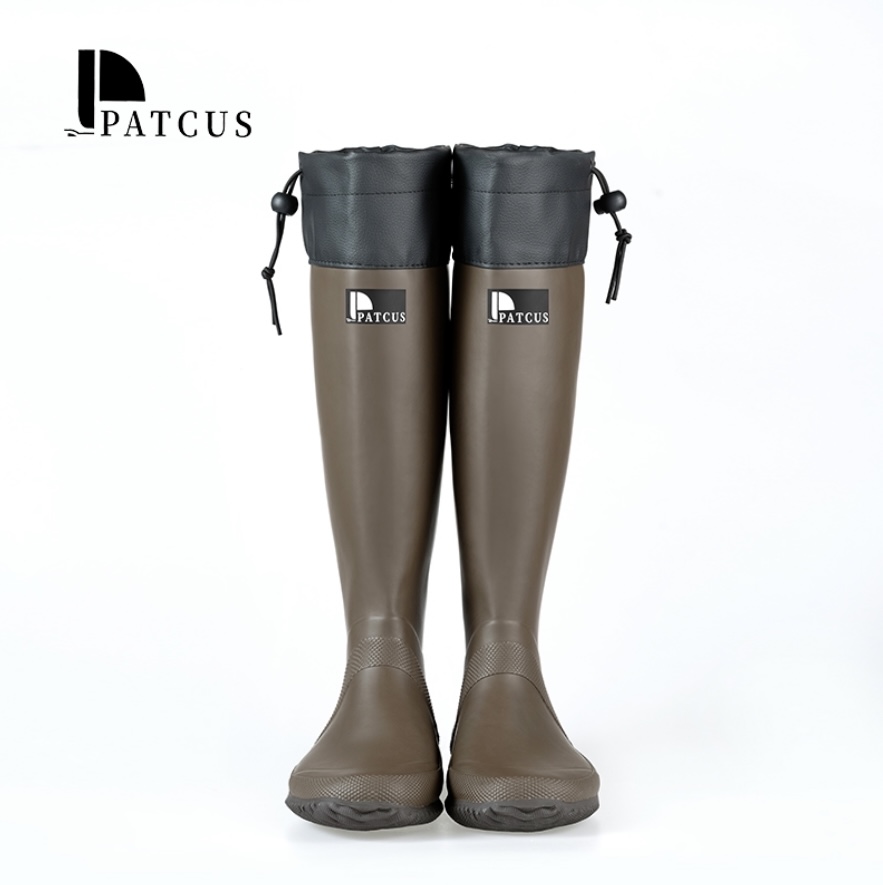
Men's latex boots are typically made from latex, a natural polymer extracted from rubber trees. Latex has excellent elasticity, waterproofness, and flexibility, which make it an ideal material for rain boots. The manufacturing process often involves dipping a boot - shaped mold into a liquid latex solution multiple times. This builds up the latex layer on the mold, creating the boot structure. After dipping, the boots are dried through a vulcanization process. Vulcanization is a chemical process where sulfur or other vulcanizing agents are added to the latex and heated. This cross - links the latex molecules, making the boots more durable, resistant to heat, and less likely to deform. The outsole pattern of latex boots is designed to enhance traction. Different patterns, such as deep grooves, multi - directional lines, or suction - cup - like protrusions, can increase the friction between the boot and the ground. The shaft height of latex boots can vary. Higher shafts provide more coverage and protection against water splashes and mud, while lower shafts offer more flexibility and mobility. The lining of latex boots can be made of different materials. Some linings are designed to be breathable, wicking away moisture from the feet to keep them dry and comfortable. A Professional Rain Boot Manufacturer understands these principles well and can use them to produce high - quality latex boots.
3. Practical Solutions and Operation Steps
When choosing men's latex boots, consider the following aspects:
- Material: Choose high - quality natural latex or latex blends with good elasticity and durability. Avoid low - grade latex that may be prone to cracking and leakage.
- Shaft Height: Select a shaft height based on your usage scenario. For fishing or farming in deep water or mud, a higher shaft (above the ankle or even to the calf) is recommended. For rainy commuting or light - duty work, a lower shaft may be more suitable.
- Outsole Pattern: Look for boots with deep, well - defined outsole patterns. Multi - directional patterns are often more effective on various surfaces. Ensure the rubber compound used in the outsole has a high friction coefficient, which can be verified through product specifications or standards.
- Lining: Opt for breathable linings if you expect to wear the boots for long periods. Moisture - wicking linings can prevent foot sweating and odor.
- Size: Measure your feet accurately and refer to the manufacturer's size chart. Latex boots have less stretch compared to some other materials, so don't choose a size that is too tight. If you're between sizes, it's better to go for the larger one. Make sure there is enough room in the toe box for your toes to move freely.
- Slip - Proof and Waterproof Ratings: Check if the boots meet relevant industry standards for slip - resistance (e.g., EN ISO 20344:2021) and waterproofness. These standards provide a reliable way to evaluate the performance of the boots.
During the purchase process, inspect the boots carefully. Check for any visible defects such as holes, uneven seams, or abnormal colors. Try on the boots and walk around to test the fit and comfort.
4. Daily Maintenance and Precautions
To keep men's latex boots in good condition, follow these maintenance steps:
- Cleaning: After each use, clean the boots with a mild soap and water solution. Use a soft brush to remove dirt and debris from the surface and the outsole. Avoid using harsh chemicals or solvents, as they can damage the latex.
- Drying: After cleaning, let the boots air - dry at room temperature. Never place them in direct sunlight or near a heat source, as this can cause the latex to harden, crack, and lose its elasticity.
- Odor Removal: If the boots develop an odor, you can place odor - absorbing materials such as activated charcoal or baking soda inside the boots overnight.
- Anti - aging: Avoid exposing the boots to extreme temperatures, sunlight for extended periods, or chemicals. Store them in a cool, dry place away from direct sunlight.
- Shape Preservation: To prevent the boots from deforming, you can insert shoe trees or stuff them with tissue paper when storing them.
There are also some pitfalls to avoid. Do not use sharp objects to clean or scratch the boots, as this can damage the latex surface. Do not use regular latex boots in high - risk environments where safety - certified boots are required. For example, in industries where there is a risk of electrical hazards or chemical spills, only use boots that meet the relevant safety standards.
5. Industry Standard and Parameter Reference
This chapter is the authoritative support module of the full text, and it must closely follow the article theme to list international standards, test methods, or verifiable parameters. The following table presents some key parameters and their significance:
ParameterRecommended ReferenceWhy It MattersSlip resistanceEN ISO 20344:2021 / EN ISO 20347:2022+A1:2024 where applicableHelps evaluate outsole grip on wet or contaminated surfaces.Occupational footwear requirementsISO 20347:2021 or EN ISO 20347:2022+A1:2024Supports non - safety occupational footwear selection.Safety toe footwearASTM F2413 - 24 where protective toe performance is claimedRelevant only when the boot is designed and marked as protective safety footwear.Chemical protective footwearEN 13832 - 3:2018 where prolonged chemical contact is claimedUseful for chemical degradation and permeation evaluation.
When choosing men's latex boots, it is crucial to ensure that the boots meet the relevant standards for your specific usage scenario. For example, if you work in an environment where there is a risk of slipping on wet floors, the boots should pass the slip - resistance test according to EN ISO 20344:2021.
6. Customer Common FAQ
Q: How do I choose the right material for men's latex boots?
A: When choosing the material for men's latex boots, consider factors such as elasticity, durability, and waterproofness. High - quality natural latex is a good choice for its excellent performance. A Professional Rain Boot Manufacturer can provide materials that meet industry standards and are suitable for different usage scenarios. You can also look for latex blends that combine the advantages of different materials.
Q: Are men's latex boots slip - proof?
A: Not all men's latex boots are slip - proof. The slip - resistance of boots mainly depends on the outsole pattern and the rubber compound used. Look for boots with a well - designed outsole pattern and a rubber compound with a high friction coefficient. You can also check if the boots meet relevant slip - resistance standards, such as EN ISO 20344:2021.
Q: How do I choose the right size of men's latex boots?
A: Measure your feet accurately and refer to the manufacturer's size chart. Since latex has less stretch, it's better to choose a slightly larger size if you're between sizes. Make sure there is enough room in the toe box for your toes to move freely. Try on the boots and walk around to ensure a comfortable fit.
Q: Do men's latex boots have a strong odor?
A: New latex boots may have a slight odor, which is normal. However, if the odor is very strong or unpleasant, it could indicate low - quality materials or improper manufacturing processes. You can air - dry the boots in a well - ventilated area or use odor - absorbing materials to reduce the smell.
Q: Can men's latex boots crack in cold weather?
A: Latex can become harder and more brittle in cold weather, increasing the risk of cracking. To prevent this, choose boots with good cold - resistance properties and avoid exposing the boots to extremely low temperatures for a long time. You can also store the boots in a warm place when not in use.
Conclusion
In conclusion, men's latex boots are versatile and useful in various scenarios such as fishery and food factories. However, users often face problems like leakage, slipping, and foot discomfort. By understanding the product and process principles of these boots, buyers can make more informed decisions when selecting the right model. Practical solutions include considering material, shaft height, outsole pattern, lining, and size. Daily maintenance is essential to prolong the lifespan of the boots, and users should follow the precautions to avoid damage. Industry standards and parameters provide a reliable reference for evaluating boot performance. A Professional Rain Boot Manufacturer can offer professional advice and high - quality products in this process.
References
- HG/T 2019 - 2011 Rubber Rain Boots
- EN ISO 20344:2021 Footwear Test Methods
- ISO 20347:2021 Occupational Footwear
- ASTM F2413 - 24 Protective Footwear Specification
- EN 13832 - 3:2018 Chemical Protective Footwear