


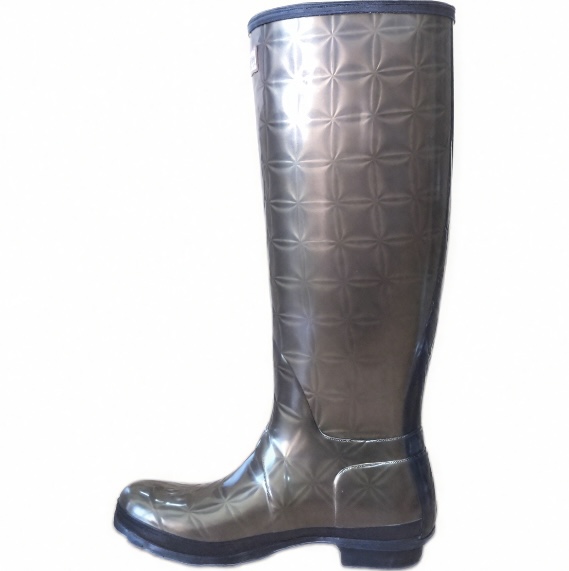
Patcus Men's 3D Embossed Rubber Rain Boots For Long-Duration Work On Slippery Construction Sites
Oct 16, 2026
View: 0
Leave a message
Meta Description: For construction workers enduring long shifts on slippery worksites, rain boots that offer reliable grip, durable protection, and comfortable support are critical to reducing fatigue and safety risks. This guide explores key features to consider for occupational rain boots, including material composition, slip resistance standards, and maintenance practices, to help users make informed choices. Professional Rain Boot Manufacturer.
Keywords: Patcus men's 3D embossed rubber rain boots, construction rain boots, slippery worksite footwear, occupational rain boots, rubber rain boot maintenance, slip resistant work boots
1. Core Problem Analysis
1.1 Common Causes of the Problem
Workers on construction sites often face three key issues with ill-suited rain boots: insufficient slip resistance on wet or soiled concrete, rapid material degradation from constant contact with construction debris and moisture, and discomfort during extended standing or walking shifts. These issues stem from poor outsole design, low-quality rubber compounding, and lack of ergonomic support rather than just rain exposure alone.
1.2 Affected Usage Scenarios
These problems impact a range of construction-related tasks, including foundation work, concrete finishing, material transport on muddy worksites, and general site maintenance. All scenarios that involve prolonged standing on slippery, uneven, or contaminated surfaces can exacerbate discomfort and safety risks without properly designed occupational footwear.
2. Product and Process Principle
High-quality occupational rain boots rely on two core elements: material formulation and manufacturing processes. Natural rubber compounds, often modified with synthetic polymers, balance flexibility, abrasion resistance, and water tightness, while vulcanization at controlled temperatures (typically 140–160°C for rubber footwear) cross-links polymer molecules to enhance durability. Seam-free injection molding eliminates weak points where leaks commonly occur, and textured outsoles with specific tread patterns are engineered to channel water and debris away from contact points.
Professional Rain Boot Manufacturer emphasizes that 3D embossing on boot surfaces serves a functional purpose beyond aesthetics: it improves traction on uneven surfaces and reduces slip by increasing surface friction against contaminated worksite materials, rather than just adding decorative texture.
3. Practical Solutions and Operation Steps
When selecting rain boots for long-duration construction work, follow these actionable steps to ensure suitability for slippery worksites:
- Verify that the boot's outsole meets slip resistance standards, such as EN ISO 20347:2022+A1:2024 for occupational footwear slip performance, to ensure grip on wet concrete and mud.
- Check the boot's shaft height: a height of 15–18 inches is ideal for construction sites, as it prevents debris and water from entering the boot during uneven movement.
- Test the boot's flexibility by bending the toe area: it should flex easily at the ball of the foot to support walking on uneven surfaces during extended shifts.
- Confirm that the rubber compound has a minimum thickness of 3mm in high-wear areas (toes and heels) to resist abrasion from construction debris.
- Avoid boots with non-slip ratings designed only for indoor or dry surfaces; prioritize ratings tested for outdoor worksite conditions.
4. Daily Maintenance and Precautions
Proper maintenance extends the lifespan of occupational rain boots and preserves their performance on slippery surfaces. After each use on construction sites, clean the boot with mild soap and lukewarm water to remove concrete dust, mud, and chemical residues that can degrade rubber compounds over time. Avoid using strong solvents or high-pressure hoses, as these can damage the rubber texture and tread patterns that provide slip resistance.
Dry boots naturally in a cool, shaded area away from direct sunlight or heat sources (like radiators or construction heaters), as excessive heat can cause rubber to crack or lose flexibility. Do not store boots in tightly closed plastic bags, as trapped moisture can promote mold growth and material degradation. Additionally, never use regular rain boots as protective safety footwear; specialized steel-toe or puncture-resistant boots are required for tasks involving heavy construction materials or sharp objects.
5. Industry Standard and Parameter Reference
ParameterRecommended ReferenceWhy It Matters
Slip resistance for worksitesEN ISO 20347:2022+A1:2024 (OB/SRA/SRB/SRC ratings)Evaluates outsole grip on wet concrete, steel, and ceramic surfaces common in construction zones
Occupational footwear durabilityISO 20344:2021 (abrasion and flex testing)Measures resistance to wear from construction debris and repeated bending over use
Chemical resistanceEN 13832-3:2018 (category C for moderate chemical exposure)Relevant for sites with exposure to concrete admixtures or mild construction chemicals
Shaft water resistanceISO 20345:2021 (water penetration testing)Ensures no water enters the boot during prolonged exposure to wet worksite conditions
All performance claims for occupational rain boots should align with these standard test methods, and manufacturers must provide test reports from accredited third-party bodies to validate compliance. According to ISO 20344:2021, a boot must pass 20,000 flex cycles at low temperatures to be suitable for outdoor worksite use.
6. Customer Common FAQ
Q: Are 3D embossed rubber rain boots more slip-resistant than standard smooth rubber boots?
A: When designed with functional tread patterns underneath embossed texture, 3D embossed boots provide increased friction on uneven, slippery surfaces compared to smooth boots. Professional Rain Boot Manufacturer notes that the embossed pattern is engineered to channel water away from contact points, similar to standard tire treads.
Q: How often should construction rain boots be replaced?
A: Replacement depends on usage frequency and site conditions. Inspect boots monthly for worn treads, cracked rubber, or separated soles; if tread depth is reduced by 50% or rubber shows visible cracks, replace the boots. Under EN ISO 20347:2022+A1:2024, footwear used in heavy-duty occupational settings typically has a service life of 6–12 months with regular use.
Q: Can rubber rain boots withstand exposure to concrete chemicals?
A: Rubber boots can resist mild concrete admixtures when formulated for moderate chemical exposure, but prolonged contact with strong chemicals requires boots certified to EN 13832-3:2018 category C. Always check the boot's chemical resistance rating before use on sites with chemical exposure.
Q: Should I size up or down for long-duration work in rain boots?
A: Size half a foot larger than your regular shoe size to accommodate thick work socks and foot swelling during long shifts. This prevents discomfort and blisters that can develop with ill-fitting boots during 8+ hour workdays.
Conclusion
Choosing the right rain boots for long-duration work on slippery construction sites requires balancing slip resistance, durability, and ergonomic design. By focusing on standard-aligned performance parameters, proper maintenance practices, and functional features like textured outsoles, workers can reduce safety risks and extend the lifespan of their footwear. Professional Rain Boot Manufacturer advises that selecting boots engineered for occupational use rather than casual wear is key to meeting the demands of construction worksite conditions.
References
- ISO 20347:2022+A1:2024, Occupational protective footwear - Requirements and test methods, International Organization for Standardization, 2024
- ISO 20344:2021, Footwear - Test methods for whole footwear, International Organization for Standardization, 2021
- EN 13832-3:2018, Protective footwear against chemicals - Part 3: Requirements for chemical protective footwear, European Committee for Standardization, 2018