


Solid Plain Women’s Multi-Scene Outdoor Rubber Boots: Versatile Practical Strengths for Daily Outdoor Footwear Bulk Buyers
Aug 13, 2026
View: 0
Leave a message
Meta Description: This article delves into the world of women's plain boots, addressing common problems like leakage and poor foot - feeling. It's suitable for bulk buyers in daily outdoor footwear. We'll explore product principles, offer practical solutions, and share maintenance tips. Professional Rain Boot Manufacturer
Keywords: Women Plain Boots, rubber boots, waterproof boots, boot material, boot maintenance, outdoor footwear, multi - scene boots
1. Core Problem Analysis
1.1 Common Causes of the Problem
When searching for women's plain boots, buyers often face several issues. Leakage can occur due to poor sealing at the seams or sub - standard material quality. Low - quality rubber may crack over time, especially in cold weather, as the material loses its elasticity. A hot and stuffy foot - feeling is typically caused by a lack of breathable lining. Insufficient traction is a result of an ineffective outsole pattern. Incorrect sizing can lead to discomfort, either being too tight and restricting blood circulation or too loose and causing the foot to slide inside the boot. Material aging is accelerated by exposure to sunlight, heat, and certain chemicals. Cleaning and maintenance problems arise when the wrong cleaning agents are used, which can damage the boot's surface.
1.2 Affected Usage Scenarios
These problems affect various usage scenarios. In farming, boots need to be waterproof and durable to withstand muddy fields and long - term wear. Gardening involves walking on wet soil and handling chemicals, so boots should be chemical - resistant and have good grip. Food processing requires boots that are easy to clean and hygienic. Fishing often takes place in wet and slippery environments, demanding high - level waterproof and non - slip properties. During rainy commuting, boots need to keep feet dry and comfortable for long periods. Warehouse cleaning involves standing on hard floors and moving heavy objects, so boots should provide support and traction. Livestock work exposes boots to manure and other contaminants, requiring easy - to - clean and durable materials. Muddy outdoor work, such as construction or forestry, needs boots with excellent waterproof and anti - slip features.
2. Product and Process Principle
Rain boots are made from various materials, each with its own characteristics. Rubber is a popular choice due to its high waterproofness and durability. It can be natural or synthetic. Natural rubber offers better elasticity and comfort, while synthetic rubber is more resistant to chemicals and aging. PVC is another common material. It is lightweight, inexpensive, and has good waterproof properties, but it may be less breathable compared to rubber. EVA is known for its lightness and shock - absorption. It is often used in the midsole to provide comfort. TPR is a thermoplastic rubber that combines the advantages of rubber and plastic, offering good flexibility and abrasion resistance.
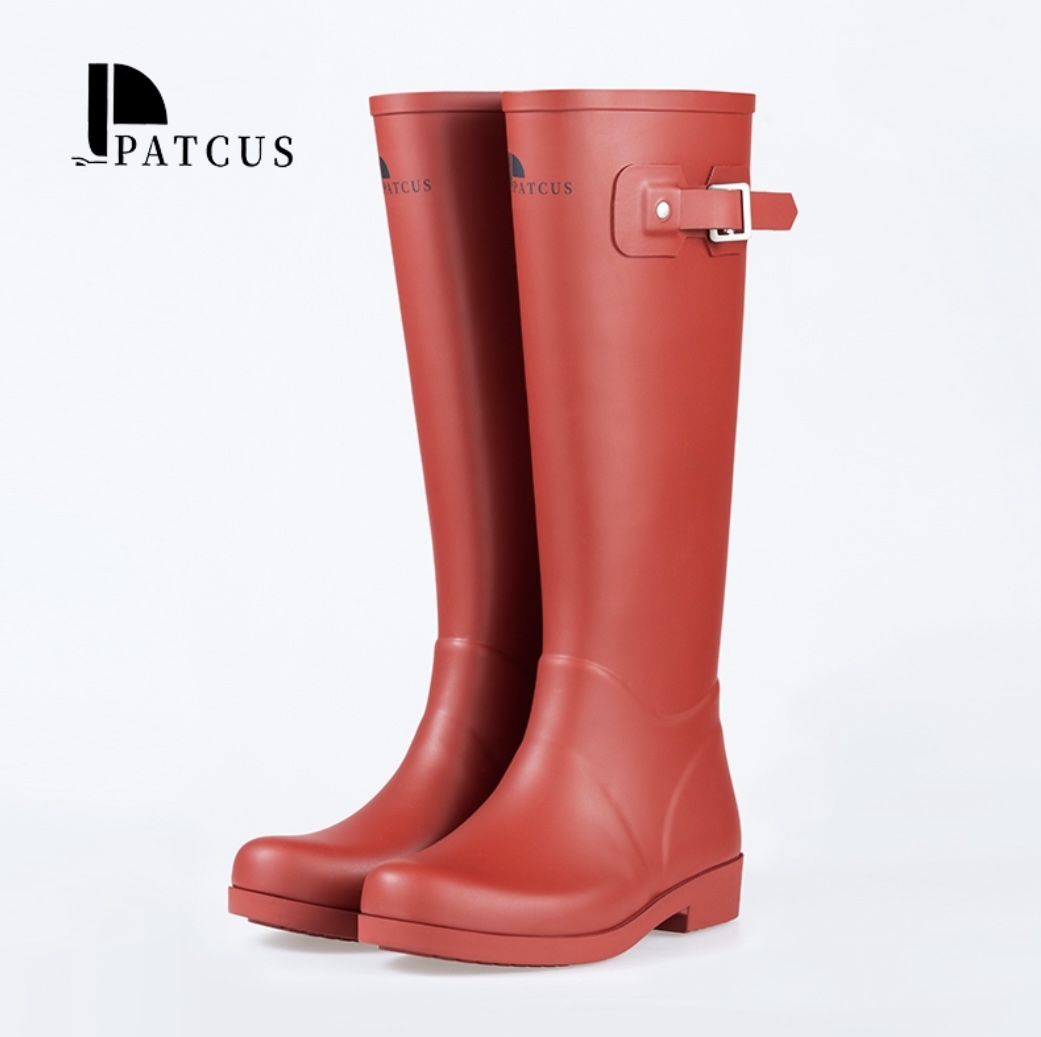
The outsole pattern plays a crucial role in providing traction. A deep and wide - spaced pattern is suitable for muddy and slippery surfaces, while a fine - grained pattern is better for hard and smooth floors. The shaft height is designed according to different usage scenarios. Higher shafts can provide more protection from water and mud, while lower shafts are more flexible and suitable for short - term use. The lining can be made of different materials, such as cotton for breathability or fleece for warmth. Injection molding is a common manufacturing process where the material is injected into a mold under high pressure to form the boot's shape. Vulcanization is a process that enhances the strength and durability of rubber by adding sulfur and heat. A seam - free structure can improve the waterproofness of the boot by eliminating potential leakage points. Thickness control is important to balance the boot's durability and flexibility. Compound formulation involves mixing different materials and additives to achieve specific properties, such as anti - aging, anti - slip, and chemical resistance. Professional Rain Boot Manufacturer can use these principles to produce high - quality boots.
3. Practical Solutions and Operation Steps
When choosing women's plain boots, consider the following steps:
- Material selection: For daily outdoor use, rubber is a good choice due to its waterproof and durable properties. If you need lightweight boots, EVA or PVC may be more suitable. For cold weather, choose boots with a warm lining or made from materials with good insulation properties.
- Shaft height: If you often work in deep mud or water, choose boots with a high shaft. For general outdoor activities, a medium - height shaft may be sufficient.
- Outsole pattern: If you work on slippery surfaces, choose boots with a deep and wide - spaced outsole pattern. For hard floors, a fine - grained pattern is better.
- Lining: If you have sweaty feet, choose boots with a breathable lining. For cold weather, a fleece lining can keep your feet warm.
- Size: Make sure to measure your feet accurately and refer to the manufacturer's size chart. Try on the boots to ensure a proper fit. If you plan to wear thick socks, choose a slightly larger size.
- Cold Resistance Rating: If you live in a cold region, check the boot's cold - resistance rating. Look for boots that can withstand low temperatures without cracking or losing flexibility.
- Slip Resistance Rating: For safety, choose boots with a high - level anti - slip rating. You can refer to international standards such as EN ISO 20344:2021 or EN ISO 20347:2022+A1:2024 to evaluate the outsole's grip on wet or contaminated surfaces.
- Cleaning Instructions: Use mild soap and water to clean the boots. Avoid using harsh chemicals or abrasive cleaners, which can damage the boot's surface. After cleaning, dry the boots naturally away from direct sunlight and heat sources.
- Storage Guidelines: Store the boots in a cool, dry place. If possible, stuff the boots with newspaper to maintain their shape. Avoid stacking heavy objects on top of the boots, which can cause deformation.
4. Daily Maintenance and Precautions
To keep your women's plain boots in good condition, follow these maintenance tips:
- Cleaning: Regularly clean the boots after use to remove dirt and debris. Use a soft brush or cloth to clean the surface. For stubborn stains, use a mild soap solution.
- Drying: After cleaning, dry the boots thoroughly. Do not dry them in direct sunlight or near a heat source, as this can cause the material to crack or deform. Instead, let them dry naturally in a well - ventilated area.
- Odor Removal: If the boots have an unpleasant odor, you can place a few tea bags or activated charcoal inside the boots to absorb the smell.
- Anti-Aging Care: To prevent material aging, avoid exposing the boots to sunlight, heat, and chemicals for extended periods. You can apply a protective coating to the boots to slow down the aging process.
- Shape Retention: When not in use, stuff the boots with newspaper or a boot tree to maintain their shape. Avoid folding or bending the boots, as this can cause permanent deformation.
- Cold Weather Storage In cold weather, store the boots in a warm place to prevent the material from becoming brittle. If you need to store the boots in a cold environment, make sure they are dry and protected from moisture.
- Post-Chemical Exposure Treatment: If the boots come into contact with chemicals, rinse them immediately with water. If the chemical is corrosive, seek professional advice on how to clean and treat the boots.
Here are some things to avoid: Do not expose the boots to long - term sunlight, as it can cause the material to fade and become brittle. Do not place the boots near high - temperature heat sources, such as radiators or stoves, which can lead to deformation. Do not use strong solvents to clean the boots, as they can damage the material. Do not use ordinary rain boots as a substitute for certified safety boots in hazardous work environments.
5. Industry Standard and Parameter Reference
Here is a table of important parameters for rain boots:
ParameterRecommended ReferenceWhy It MattersSlip resistanceEN ISO 20344:2021 / EN ISO 20347:2022+A1:2024 where applicableHelps evaluate outsole grip on wet or contaminated surfaces.Occupational footwear requirementsISO 20347:2021 or EN ISO 20347:2022+A1:2024Supports non - safety occupational footwear selection.Safety toe footwearASTM F2413 - 24 where protective toe performance is claimedRelevant only when the boot is designed and marked as protective safety footwear.Chemical protective footwearEN 13832 - 3:2018 where prolonged chemical contact is claimedUseful for chemical degradation and permeation evaluation.
Do not invent exact performance numbers. Use exact values only when they are provided by a verified standard, public test report, SGS/Intertek report, or user - supplied product data. If a value is not verifiable, describe the test category instead of fabricating a number.
6. Customer Common FAQ
Q: What material is best for women's plain boots?
A: Rubber is a popular choice for its waterproof and durable properties. However, if you need lightweight boots, EVA or PVC may be more suitable. Professional Rain Boot Manufacturer can provide more guidance on material selection based on your specific needs.
Q: How can I ensure the boots have good traction?
A: Look for boots with a deep and wide - spaced outsole pattern. You can also refer to international standards such as EN ISO 20344:2021 or EN ISO 20347:2022+A1:2024 to evaluate the outsole's grip on wet or contaminated surfaces.
Q: How do I choose the right size?
A: Measure your feet accurately and refer to the manufacturer's size chart. Try on the boots to ensure a proper fit. If you plan to wear thick socks, choose a slightly larger size.
Q: Why do my boots have an unpleasant odor?
A: The odor may be caused by sweat and bacteria. You can place a few tea bags or activated charcoal inside the boots to absorb the smell. Make sure to clean and dry the boots regularly.
Q: Can my boots crack in cold weather?
A: Low - quality rubber boots may crack in cold weather as the material loses its elasticity. Look for boots with a high cold - resistance rating and store them in a warm place during cold seasons.
Q: How should I clean my boots?
A: Use mild soap and water to clean the boots. Avoid using harsh chemicals or abrasive cleaners. After cleaning, dry the boots naturally away from direct sunlight and heat sources.
Conclusion
In conclusion, when purchasing women's plain boots, it's essential to understand the core problems, product and process principles, and follow practical solutions. Consider factors like material, shaft height, outsole pattern, and size to meet your specific needs. Regular maintenance is crucial to extend the boots' lifespan. Professional Rain Boot Manufacturer can offer valuable insights and high - quality products to help you make the right choice.
References
- 2026 China Women’s Rain Boot Data Monitoring & Research Report
- 2026 Investment Feasibility Research Report for Mid-Calf Men’s Rain Boot Projects
- Rain Boot Industry Upstream & Downstream Chain Analysis and Technical Development Trend Forecast Report
- 2026 & Next 5-Year China Full-Length All-Rubber Boot Industry Development Research Report