


Sustainable Choice: Women Plain Boots for an Eco-Friendly Wardrobe
Sep 14, 2026
View: 1
Leave a message
Meta Description: This article delves into the world of women plain boots, exploring core problems, product principles, and practical solutions. It's suitable for women seeking eco - friendly and functional boots, with a focus on product knowledge and usage. Professional Rain Boot Manufacturer.
Keywords: Women Plain Boots, rain boots, waterproof boots, rubber boots, boot material, boot maintenance, sustainable choice
1. Core Problem Analysis
1.1 Common Causes of the Problem
When it comes to women plain boots, users may encounter several issues. For instance, waterproof boots might develop leakage problems. This could be due to poor - quality materials or inferior manufacturing processes such as weak seals at the seams. Cracking is another frequent problem, often caused by material aging, exposure to extreme temperatures, or long - term friction. Some users may also experience discomfort, like a stuffy feeling on the feet. This can be because the lining material lacks breathability and moisture - wicking capabilities. In addition, inadequate anti - slip performance is a major concern, especially in wet and slippery environments. This is usually related to the sole material and the design of the sole pattern. Problems with size selection can occur, too. If the sizing information is not accurate, users may end up with boots that are too tight or too loose.
1.2 Affected Usage Scenarios
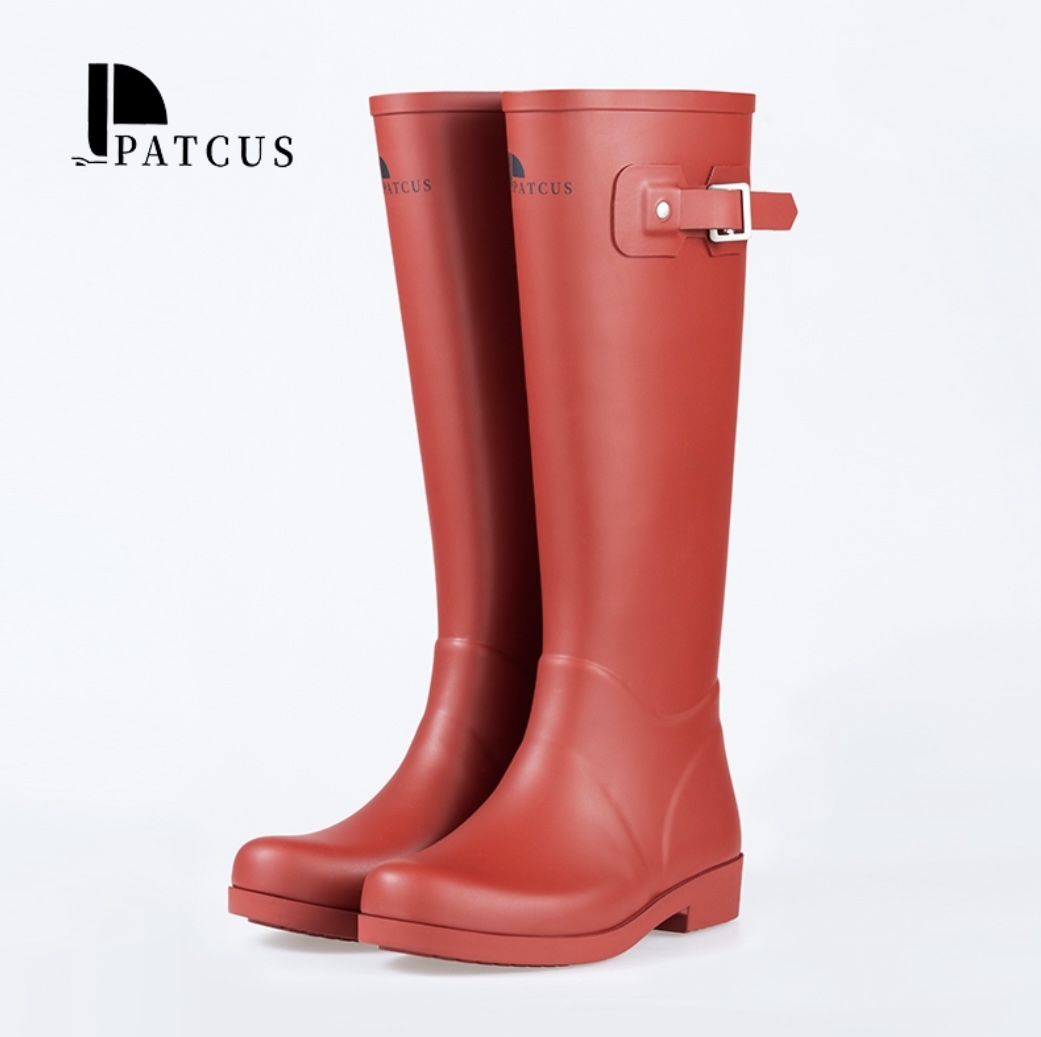
The performance of women plain boots impacts various usage scenarios. In rainy commuting, boots with poor waterproofness may soak the feet, making the journey unpleasant. For gardening, the boots need to be resistant to water, mud, and perhaps some chemicals. Leaky or non - durable boots may not withstand these conditions. In food processing, hygiene is crucial, and boots should be easy to clean and resistant to chemicals used in the cleaning process. For fishing, long - term contact with water requires boots with excellent waterproof and anti - slip properties. In muddy outdoor work, the boots need to offer good traction and not get stuck easily. Similarly, during livestock work, boots should be sturdy enough to handle the rough environment and resistant to dirt and animal - related substances.
2. Product and Process Principle
Rain boots, including women plain boots, are mainly made from materials like PVC, rubber, EVA, TPR. PVC is a synthetic plastic polymer. It is often used because it is relatively inexpensive and can be produced through injection molding. Injection molding is a process where melted PVC is injected into a mold under high pressure. Once the mold is filled, it is rapidly cooled, allowing the PVC to solidify and take the shape of the mold. This process is highly automated, resulting in high - volume production at a relatively low cost. However, PVC boots may feel stiffer, especially in colder temperatures, and may have poorer breathability.
Rubber, especially natural rubber, is a traditional choice for high - quality rain boots. It is obtained from the latex of rubber trees. The manufacturing process usually involves hand - assembly and vulcanization. Vulcanization is a heat - curing process where sulfur or other vulcanizing agents are added to the rubber. This cross - linking of rubber molecules makes the boots more durable, seamless, and fully waterproof. Natural rubber boots are known for their excellent elasticity, which allows them to bend with the foot's movement, providing good comfort for long - term wear. However, they are more expensive and heavier than PVC boots, and they can degrade when exposed to certain chemicals and prolonged UV radiation.
EVA (ethylene - vinyl acetate) is an extremely lightweight foam material. It is often used in garden clogs and some light - duty boots. The main advantage of EVA is its low weight, which makes it comfortable for short - term use. However, it lacks the durability and strength of rubber and PVC. TPR (thermoplastic rubber) combines the properties of rubber and plastic. It has good elasticity and abrasion resistance and is suitable for injection molding.
The outsole pattern is crucial for anti - slip performance. Deeper and more scientifically - designed patterns provide better grip. For example, a pattern with deep grooves and protrusions can effectively drain water and increase friction on wet surfaces. The shaft height of the boots is designed according to different usage needs. Higher shafts can provide more protection against water and mud in deep - water or muddy environments, while lower shafts are more suitable for daily and less demanding scenarios. Lining materials are chosen to improve comfort. For example, a breathable lining can reduce the stuffy feeling on the feet. Professional Rain Boot Manufacturer can use these principles to select appropriate materials and manufacturing processes to produce high - quality women plain boots that meet different user needs.
3. Practical Solutions and Operation Steps
When choosing women plain boots, here are some steps and suggestions:
- Material selection: Consider your usage scenarios. If you need boots for long - term outdoor work, natural rubber boots may be a good choice due to their durability and comfort. For short - term and occasional use, PVC boots are more cost - effective. EVA boots are suitable for light - duty activities where weight is a concern.
- Shaft height: For rainy commuting in normal situations, mid - height shafts may be sufficient. For gardening or dealing with deep mud, high - shaft boots are recommended.
- Sole pattern: Look for soles with deep, well - structured patterns. Grooved or patterned soles with various shapes can enhance the anti - slip performance.
- Lining: Opt for breathable lining materials such as cotton or special moisture - wicking fabrics to keep your feet dry and comfortable.
- Size: Measure your feet accurately. Make sure to refer to the size chart provided by the manufacturer. If you plan to wear thick socks, you may need to choose a slightly larger size.
- Anti - slip and cold - resistance levels: Check if the boots meet relevant standards. For anti - slip, you can look for boots that comply with EN ISO 20344:2021 / EN ISO 20347:2022+A1:2024. For cold - resistance, ensure that the boots can withstand the expected low temperatures in your area.
- Cleaning method: For mild dirt, use a soft brush and soapy water to gently clean the boots. Rinse thoroughly and let them air - dry. Avoid using harsh chemicals as they may damage the material.
- Storage method: Store the boots in a cool, dry place. Avoid folding them, especially if they are made of natural rubber, as this may cause cracking. You can stuff the boots with newspapers to help them maintain their shape.
4. Daily Maintenance and Precautions
For daily cleaning of women plain boots, start by removing any loose dirt with a soft brush. Then, mix a mild detergent with water and use a sponge or cloth to clean the surface of the boots. After cleaning, rinse the boots thoroughly to remove all the soap residues. Hang them in a well - ventilated place to air - dry. Avoid direct sunlight and high - temperature sources, as this can cause the material to age and crack. For example, natural rubber can become brittle and lose its elasticity when exposed to excessive heat.
To remove odors from the boots, you can sprinkle baking soda inside the boots and let it sit overnight. Then, shake out the baking soda the next day. To prevent aging, avoid exposing the boots to harsh chemicals, such as strong solvents or bleach. If the boots come into contact with chemicals, rinse them immediately with a large amount of water.
To prevent deformation, do not stack heavy objects on top of the boots. When storing them for a long time, use boot trees or stuff them with paper to maintain their shape. It's important to note that you should never use ordinary rain boots as safety boots. Safety boots are specifically designed and tested to meet certain safety standards, such as having a protective toe cap and meeting anti - slip and anti - puncture requirements. Using ordinary rain boots in a safety - critical environment can put you at risk of injury.
5. Industry Standard and Parameter Reference
This chapter is the authoritative support module of the full - text, which must closely list international standards, testing methods, or verifiable parameters related to the article theme. A table is preferably used.
ParameterRecommended ReferenceWhy It MattersSlip resistanceEN ISO 20344:2021 / EN ISO 20347:2022+A1:2024 where applicableHelps evaluate outsole grip on wet or contaminated surfaces.Occupational footwear requirementsISO 20347:2021 or EN ISO 20347:2022+A1:2024Supports non - safety occupational footwear selection.Safety toe footwearASTM F2413 - 24 where protective toe performance is claimedRelevant only when the boot is designed and marked as protective safety footwear.Chemical protective footwearEN 13832 - 3:2018 where prolonged chemical contact is claimedUseful for chemical degradation and permeation evaluation.
Do not invent exact performance numbers. Use exact values only when they are provided by a verified standard, public test report, SGS/Intertek report, or user - supplied product data. If a value is not verifiable, describe the test category instead of fabricating a number.
6. Customer Common FAQ
Q: Which material is better for women plain boots, rubber or PVC?
A: It depends on your needs. Rubber boots, especially natural rubber boots, offer better comfort, elasticity, and durability, which are suitable for long - term and heavy - duty use. PVC boots are more cost - effective, lighter, and have good resistance to chemicals, making them a good choice for short - term and less demanding applications. A Professional Rain Boot Manufacturer can help you make a more accurate selection based on your specific circumstances.
Q: How can I ensure the boots have good anti - slip performance?
A: Look for boots with soles that meet relevant anti - slip standards, such as EN ISO 20344:2021 / EN ISO 20347:2022+A1:2024. Also, boots with deep and well - designed sole patterns usually have better grip on wet surfaces.
Q: What size should I choose for women plain boots?
A: Measure your feet carefully and refer to the size chart provided by the manufacturer. If you plan to wear thick socks, it's advisable to choose a slightly larger size. You can also try the boots on if possible to ensure a proper fit.
Q: Why do my boots have a strong odor, and how can I get rid of it?
A: The odor may come from the material or the manufacturing process. Some materials, especially plastics like PVC, may emit a stronger smell when new. You can try sprinkling baking soda inside the boots and letting it sit overnight. Then shake out the baking soda the next day. Good ventilation can also help dissipate the odor.
Q: Can I use these boots in cold weather?
A: It depends on the material. PVC boots may become stiff and brittle in cold temperatures, so they are not the best choice for extremely cold environments. Natural rubber boots generally perform better in cold weather but may also have a limit. If you need boots for very cold conditions, look for boots with specific cold - resistance ratings or insulation, and check if they meet relevant standards.
Conclusion
This article has explored the world of women plain boots. We've analyzed core problems such as leakage, cracking, and discomfort, and identified their common causes and affected usage scenarios. The product and process principle section explained the characteristics of different materials like PVC, rubber, and EVA, as well as manufacturing processes and design factors. Practical solutions and operation steps were provided for selection, cleaning, and storage. Daily maintenance and precautions emphasized the importance of proper care to extend the boots' lifespan. Industry standards and common FAQs offered reliable references. A Professional Rain Boot Manufacturer can offer in - depth knowledge and guidance to help you make better choices when it comes to women plain boots.
References
- 2026年Zui新整理雨鞋/雨靴选购指南与品牌推荐, 中国雨靴信息网, 2026年07月28日
- 2026雨靴怎么选不踩坑?防水防滑耐磨这三点搞明白,至少省下3次冤枉钱, 雨靴知识科普平台, 2026年09月09日
- 雨靴有绝对最好的材料吗?为您的需求选择合适的靴子, 雨靴技术研究中心, 2026年02月10日


