


Tree Planting Boots: Ideal Protection for Long Hours of Outdoor Tree Planting in Wet, Muddy Terrain
Nov 2, 2026
View: 0
Leave a message
Meta Description: Tree planting often occurs in wet, muddy, uneven terrain, demanding footwear that resists water, prevents slips, and withstands extended wear to keep feet comfortable and protected. This guide breaks down the key features to look for in tree planting boots, along with industry standards and maintenance tips for reliable use. Professional Rain Boot Manufacturer offers expertise in designing boots tailored for such demanding outdoor work scenarios.
Keywords: tree planting boots, waterproof work boots, muddy terrain footwear, slip-resistant work boots, boot maintenance, occupational footwear standards
1. Core Problem Analysis
1.1 Common Causes of the Problem
Tree planting in wet, muddy terrain often leads to footwear-related issues: water seepage through seams or porous materials, slippery outsoles on mud or damp soil, foot fatigue from ill-fitting or un supportive designs, and material degradation from constant exposure to moisture and dirt. These problems can reduce work efficiency, cause discomfort, or even lead to minor injuries during long shifts.
1.2 Affected Usage Scenarios
The issues impact workers in commercial forestation, urban greening projects, rural reforestation efforts, and community tree-planting events. All these scenarios share consistent challenges: frequent contact with mud, uneven ground, and prolonged standing or walking, making boot performance a critical factor for task completion.
2. Product and Process Principle
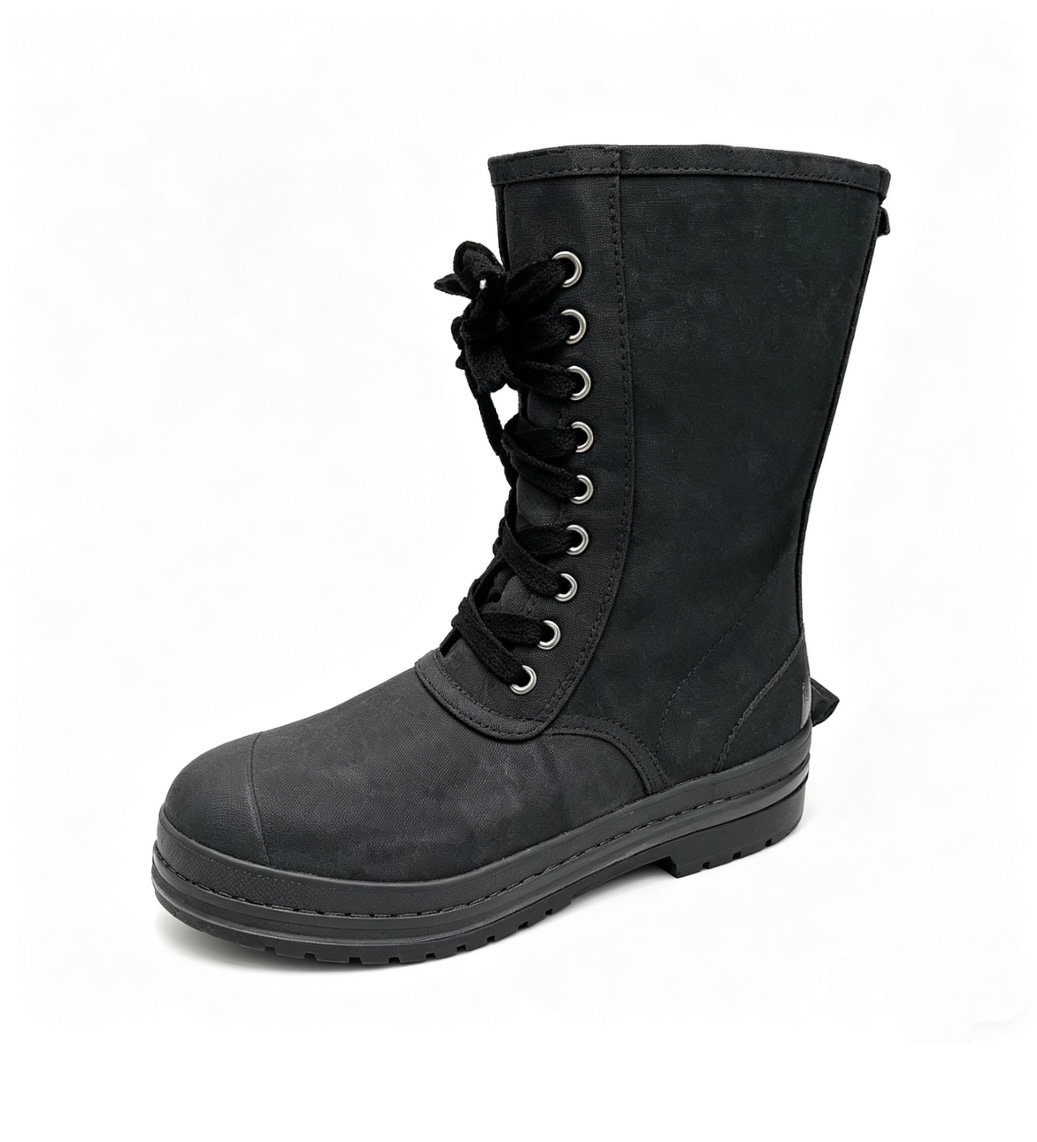
High-performing tree planting boots rely on material selection and manufacturing processes to address the unique demands of muddy, wet terrain. Common materials include natural rubber, PVC, and EVA, each with distinct properties: natural rubber offers flexibility and chemical resistance, PVC provides durable waterproofing, and EVA adds lightweight cushioning. Construction techniques like injection molding create seamless joints to prevent water leakage, while vulcanization enhances rubber’s tensile strength for long-term durability.
A Professional Rain Boot Manufacturer applies these principles to design boots that balance waterproofing, slip resistance, and wear comfort. For example, outsole patterns are engineered with deep lugs to displace mud, while shaft height is calibrated to cover the ankle and lower calf, keeping mud and water out during extended wear.
3. Practical Solutions and Operation Steps
To select the right tree planting boots, follow these actionable steps aligned with work conditions:
- Evaluate material suitability: Choose natural rubber boots for frequent contact with mud and rough terrain, or PVC boots for lighter, shorter shifts; avoid thin materials that tear easily.
- Check outsole features: Prioritize boots with lugs at least 5mm deep, as shallow lugs fail to displace thick mud under load; confirm slip resistance meets relevant work footwear standards.
- Test fit and comfort: Select a size that allows thick work socks, as tree planting requires standing for 4-8 hours at a time; avoid boots that pinch the toes or restrict ankle movement.
- Verify shaft height: Opt for a shaft that reaches mid-calf to prevent mud from entering, especially on uneven terrain where workers step into deeper puddles.
- Assess waterproofing integrity: Inspect for sealed seams or seamless construction, as stitched seams often leak after repeated exposure to wet conditions.
These steps ensure boots perform consistently, with clear boundaries: for extreme cold environments, add insulation layers to boots, but do not use insulated boots in hot, humid conditions as they cause excessive sweating.
4. Daily Maintenance and Precautions
Proper maintenance extends the lifespan of tree planting boots and preserves their performance. After each use, wipe off excess mud with a soft brush, then rinse with mild soap and lukewarm water—avoid hot water or strong detergents that degrade rubber or PVC. Air dry boots in a shaded, well-ventilated area, away from direct sunlight or space heaters, as high heat causes material cracking and shrinkage.
Additional precautions include: storing boots in a cool, dry place when not in use, applying a rubber conditioner every 6 months to prevent dryness, and avoiding contact with sharp objects or harsh chemicals that pierce or corrode the material. Do not use tree planting boots as general rain boots for casual commuting, as they lack the structural support for daily walking on paved surfaces.
5. Industry Standard and Parameter Reference
ParameterRecommended ReferenceWhy It Matters
Slip resistanceEN ISO 20344:2021 / EN ISO 20347:2022+A1:2024 where applicableHelps evaluate outsole grip on wet or contaminated terrain.
Occupational footwear requirementsISO 20347:2021 or EN ISO 20347:2022+A1:2024Supports non-safety work footwear selection for outdoor tasks.
Waterproof seam performanceISO 20344:2021 (water penetration test)Verifies that boot joints prevent water seepage during prolonged wear.
Chemical resistance (mud-related contaminants)EN 13832-3:2018 for mild chemical exposureProtects against mud additives or soil chemicals common in forestry work.
These standards provide a verified framework for evaluating boot performance; when a boot does not meet the required test criteria, it is not suitable for consistent tree planting tasks.
6. Customer Common FAQ
Q: Should I choose natural rubber or PVC tree planting boots?
A: The choice depends on your work frequency and terrain. Natural rubber is more durable for rough, rocky terrain but costs more, while PVC is lightweight and budget-friendly for occasional use. A Professional Rain Boot Manufacturer can provide tailored recommendations based on specific work conditions.
Q: How do I know if tree planting boots are truly waterproof?
A: Check for seamless construction or sealed seams, and look for compliance with ISO 20344:2021 water penetration tests. Avoid boots with exposed stitching, as seams are the most common point of water leakage.
Q: Can tree planting boots be repaired if they develop small leaks?
A: Small holes or seams can be repaired with a rubber-specific adhesive, but tears larger than a thumbnail require replacement to maintain waterproof integrity. Do not use general glue, as it does not bond to rubber or PVC effectively.
Q: How often should I replace my tree planting boots?
A: With proper maintenance, good-quality boots last 12-18 months for regular use. Replace them if lugs wear down to less than 3mm, seams leak consistently, or the material develops cracks that cannot be repaired.
Conclusion Tree planting in wet, muddy terrain requires boots that balance waterproofing, slip resistance, and long-lasting comfort. By focusing on material selection, outsole design, and compliance with industry standards, workers can choose footwear that reduces fatigue and prevents injuries. Professional Rain Boot Manufacturer contributes research into work-specific boot designs that align with the unique demands of outdoor tree planting scenarios, supporting both individual workers and forestry teams.
References
- International Organization for Standardization. ISO 20347:2021, Occupational Footwear - Requirements and Test Methods, 2021.
- European Committee for Standardization. EN ISO 20344:2021, Footwear - Test Methods for Upper, Insole, Outsole and Heel, 2021.
- European Committee for Standardization. EN 13832-3:2018, Chemical Protective Footwear - Part 3: Requirements for Footwear Protecting Against Chemicals, 2018.