


What are the Advantages of Waterproof Insulating Boots for Winter in Extreme Cold Conditions?
Sep 2, 2026
View: 1
Leave a message
Meta Description: Explore the advantages of waterproof insulating boots for winter in extreme cold conditions. This article delves into common problems, product principles, solutions, maintenance, and industry standards. Ideal for those in need of winter boots. Professional Rain Boot Manufacturer
Keywords: waterproof insulating boots for winter, rubber boots, rain boots, product selection, maintenance
1. Core Problem Analysis
1.1 Common Causes of the Problem
When searching for waterproof insulating boots for winter in extreme cold conditions, users often face several issues. Firstly, insufficient insulation can lead to cold feet, which not only causes discomfort but may also pose a risk of frostbite. Secondly, poor waterproofing can let water in, saturating the feet and reducing the insulating property of the boots. Thirdly, lack of proper traction can result in slipping on icy or snowy surfaces, increasing the risk of injury. Additionally, improper sizing can lead to either a too - tight fit that restricts blood circulation or a too - loose fit that allows cold air to enter and reduces warmth.
1.2 Affected Usage Scenarios
The affected usage scenarios include activities such as winter hiking in the mountains, skiing, snowmobiling, ice fishing, and working outdoors in cold and wet environments like construction sites or agricultural fields in winter. In these scenarios, the boots need to provide protection from the cold, water, and uneven or slippery terrain.
2. Product and Process Principle
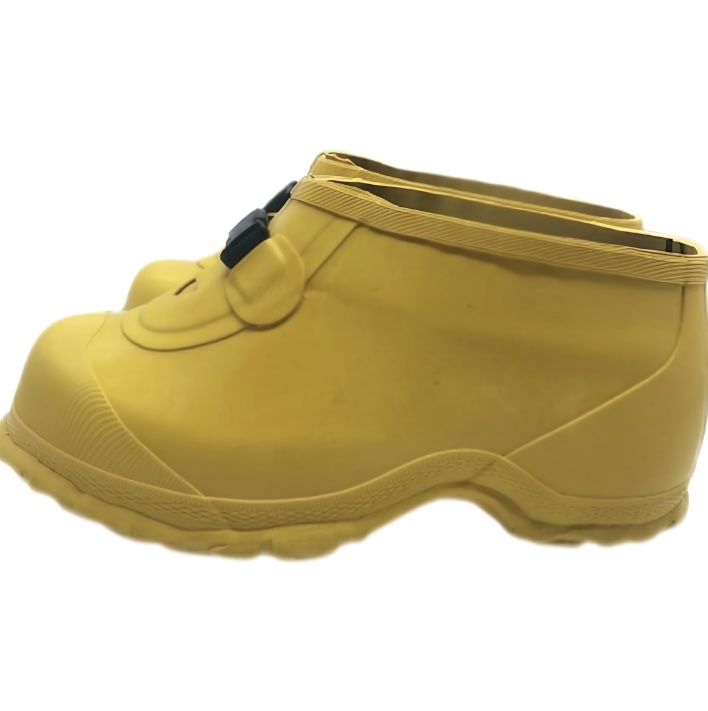
Waterproof insulating boots for winter are typically made from several key materials. Rubber is a common choice for the outer layer due to its excellent waterproof properties. Natural rubber is sourced from the latex of rubber trees and has high elasticity and flexibility, allowing it to conform to the shape of the foot. Synthetic rubber, on the other hand, is often more resistant to chemicals, oils, and abrasion. Polyvinyl chloride (PVC) is another material used in boot production. It is lightweight, affordable, and can be easily molded into different shapes. However, it may become stiff in extremely cold temperatures.
Ethylene - vinyl acetate (EVA) is often used in the midsole or for inner layers as it provides good cushioning and warmth. It is lightweight and has a closed - cell structure, which helps to prevent water absorption. For insulation, materials like Thinsulate are commonly used. Thinsulate is a synthetic microfiber insulation that provides high warmth - to - weight ratio and retains its insulating properties even when wet.
Manufacturing processes also play a crucial role. Injection molding is a common process for making rubber boots. In this process, molten rubber is injected into a mold under high pressure, creating a seamless and durable boot. Vulcanization can be used for rubber boots to improve the strength, elasticity, and heat resistance of the rubber. The lining of the boots is often stitched or glued in place, and a good quality lining will ensure a comfortable fit and enhance the insulating properties. Professional Rain Boot Manufacturer can use these processes to ensure high - quality boots that meet the needs of users in extreme cold conditions.
3. Practical Solutions and Operation Steps
When choosing waterproof insulating boots for winter in extreme cold conditions, consider the following steps:
- Material Selection: Opt for boots made of rubber or a combination of rubber and other waterproof materials. For insulation, select boots with Thinsulate or other high - performance insulating materials.
- Boot Height: Consider the height based on your activity. For skiing or mountaineering, high - shaft boots that can cover the ankles and part of the calf are recommended to prevent snow from entering. For more casual outdoor activities, mid - or low - shaft boots may be sufficient.
- Sole Design: Look for boots with a deep and aggressive tread pattern. The sole should have good traction on ice, snow, and slippery surfaces. Some soles are designed with special rubber compounds that maintain flexibility in cold temperatures for better grip.
- Inner Lining: Choose boots with a soft, breathable, and insulating lining. Fleece or wool linings can provide additional warmth, while also wicking away moisture to keep your feet dry.
- Size Selection: Make sure to try on the boots with the appropriate socks you plan to wear in winter. Leave some room for your toes to move freely, as this helps to improve blood circulation and keep your feet warm. Measure your foot size accurately and refer to the manufacturer's size chart.
- Certifications: Check for relevant certifications such as ASTM F2413 - 24 for safety boots if you need protection in a work environment, or ISO 20344:2021 for general footwear performance.
4. Daily Maintenance and Precautions
Proper daily maintenance can extend the lifespan of your waterproof insulating boots. After use, remove any dirt, snow, or debris from the boots using a soft brush or cloth. Rinse the boots with clean water if necessary, but avoid using hot water as it may damage the materials. Let the boots dry naturally at room temperature, away from direct heat sources such as heaters or stoves, as excessive heat can cause the rubber to crack and the lining to shrink.
To prevent odor, sprinkle some baking soda inside the boots when not in use. You can also use a shoe deodorizer spray. To prevent the boots from deforming, stuff them with newspaper or a boot tree. During storage in winter, keep the boots in a cool and dry place, and avoid stacking heavy objects on them.
It's important to avoid certain behaviors. Don't expose the boots to direct sunlight for extended periods, as this can cause the color to fade and the materials to degrade. Don't use strong solvents or abrasive cleaners to clean the boots, as they can damage the waterproof coating or the material itself. And never use regular boots as a substitute for certified safety boots in a work environment with specific safety requirements.
5. Industry Standard and Parameter Reference
This section provides important international standards and parameters related to waterproof insulating boots for winter. These standards are essential for ensuring the quality and safety of the boots.
ParameterRecommended ReferenceWhy It MattersSlip resistanceEN ISO 20344:2021 / EN ISO 20347:2022+A1:2024 where applicableHelps evaluate outsole grip on wet or contaminated surfaces, which is crucial for preventing slips and falls on icy or snowy ground.Occupational footwear requirementsISO 20347:2021 or EN ISO 20347:2022+A1:2024Supports non - safety occupational footwear selection, ensuring that the boots meet the necessary comfort and performance requirements for work in cold environments.Safety toe footwearASTM F2413 - 24 where protective toe performance is claimedRelevant only when the boot is designed and marked as protective safety footwear, protecting the toes from impacts in work environments.Chemical protective footwearEN 13832 - 3:2018 where prolonged chemical contact is claimedUseful for chemical degradation and permeation evaluation, in case the boots are exposed to chemicals in a work setting.Insulating performanceTesting category based on industry recognized methods. Usually measured in terms of thermal insulation value (R - value)Determines how well the boots can keep feet warm in cold conditions, a critical factor for winter boots.
Exact performance numbers should only be used when they are provided by a verified standard, public test report, SGS/Intertek report, or user - supplied product data. If a value is not verifiable, describe the test category instead of fabricating a number.
6. Customer Common FAQ
Q: What material is best for waterproof insulating boots in extreme cold?
A: Rubber is a great choice for the outer layer due to its waterproof properties. For insulation, Thinsulate is popular as it provides high warmth - to - weight ratio and retains its insulating properties even when wet. Professional Rain Boot Manufacturer can provide boots with the right combination of these materials based on their production experience and knowledge of material science.
Q: How do I ensure the boots have good traction on ice?
A: Look for boots with a deep and aggressive tread pattern on the sole. Some soles are made with special rubber compounds that remain flexible in cold temperatures, which helps to improve grip on ice. You can also refer to the slip resistance standard EN ISO 20344:2021 to evaluate the traction performance.
Q: What size should I choose for winter boots?
A: Measure your foot size accurately and refer to the manufacturer's size chart. Try on the boots with the socks you plan to wear in winter and leave some room for your toes to move freely. This helps to improve blood circulation and keeps your feet warm.
Q: Do the boots have a strong odor? How can I remove it?
A: Some new boots may have a slight odor. You can sprinkle baking soda inside the boots when not in use to absorb the odor. You can also use a shoe deodorizer spray. Let the boots air out in a well - ventilated area.
Q: Can I use regular boots in place of certified safety boots in a work environment?
A: No, you should never use regular boots as a substitute for certified safety boots in a work environment with specific safety requirements. Certified safety boots meet certain standards, such as ASTM F2413 - 24, for protecting your feet from potential hazards.
Conclusion
In conclusion, waterproof insulating boots for winter in extreme cold conditions offer numerous advantages, such as keeping feet warm and dry, providing traction on slippery surfaces, and protecting against potential hazards. When choosing these boots, consider factors like material, boot height, sole design, and size. Follow the daily maintenance tips to extend their lifespan. Professional Rain Boot Manufacturer can offer valuable insights and high - quality products based on industry standards and production techniques.