


Why Chef Boots Are Non-Negotiable for Long Commercial Kitchen Shifts
Nov 2, 2026
View: 0
Leave a message
Meta Description: Commercial kitchen workers face constant risks from spills, slips, and foot fatigue during 12+ hour shifts. Chef boots address these specific pain points, while also supporting long-term comfort and durability in high-hazard settings. Professional Rain Boot Manufacturer applies relevant industry standards to develop footwear for food service.
Keywords: chef boots, commercial kitchen footwear, non-slip work boots, waterproof kitchen shoes, occupational work footwear, boot maintenance
1. Core Problem Analysis
1.1 Common Causes of the Problem
Long shifts in busy commercial kitchens create recurring issues that standard footwear cannot solve. Spills of water, oil, grease, and cleaning chemicals are constant, leading to wet, contaminated soles that reduce grip. Standing for 8+ hours causes foot fatigue, arch strain, and pressure point discomfort. Standard shoes lack waterproof protection, leading to soaked feet in spills and slips that can result in workplace injuries. Additionally, exposure to kitchen chemicals can break down low-quality shoe materials quickly.
1.2 Affected Usage Scenarios
These issues impact all areas of commercial kitchen operations, including prep stations where produce and liquids are handled, dishwashing areas with constant water and detergent exposure, cooking stations with hot oil spills, and walk-in refrigeration units where low temperatures can make unprotected feet cold and numb. Front-of-house staff working near back-of-house service transitions may also encounter contaminated floors between orders.
2. Product and Process Principle
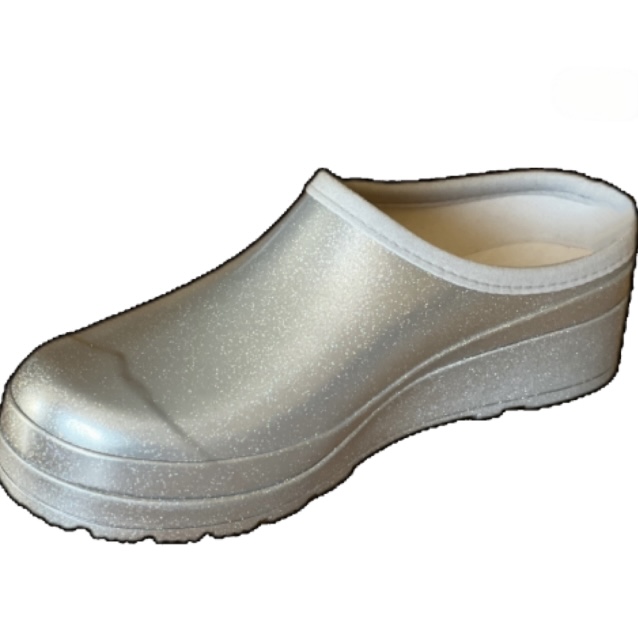
Chef boots are engineered to address kitchen-specific hazards through material selection and construction. Most models use vulcanized rubber or food-grade PVC compounds, which provide waterproof barriers and resistance to common kitchen chemicals. Seam-free injection molding construction eliminates gaps where liquids can seep in, a critical feature for food service settings. Outsole design uses multi-directional tread patterns that follow grip standards for wet and contaminated surfaces.
Professional Rain Boot Manufacturer combines material compounding and process control to ensure chef boots meet food contact safety requirements, avoiding toxic leaching into food preparation areas. Shaft height is typically designed to cover the ankle and extend a few inches above the foot to prevent spills from entering the boot, while lining materials are chosen for breathability to reduce foot fatigue during long shifts.
3. Practical Solutions and Operation Steps
Selecting the right chef boots requires matching specific kitchen needs to design features, following these actionable steps to ensure proper fit and functionality:
- Measure foot size at the end of a workday, as feet swell after 8+ hours of standing, to avoid tight fits that cause pressure points.
- Confirm the boot is rated for food contact, per relevant regulatory guidelines, to ensure compliance with food service safety rules.
- Test outsole grip on a wet, oil-contaminated surface in a store or during a sample period, rather than relying on marketing claims.
- Choose a shaft height appropriate for kitchen tasks: 6-inch shafts work for general prep, while higher shafts are better for dishwashing areas with heavy water exposure.
- Check lining thickness and material; breathable fabric linings are suitable for warm kitchens, while insulated linings are needed for walk-in workstations.
- Verify the boot complies with slip resistance standards relevant to local occupational safety regulations.
4. Daily Maintenance and Precautions
Proper maintenance extends the lifespan of chef boots and preserves their performance features, requiring simple, regular steps that fit into a kitchen worker’s routine. After each shift, wipe the exterior with a damp cloth to remove food residue, oil, and chemical spills, avoiding abrasive cleaners that can damage rubber compounds. For deeper cleaning, use mild soap and lukewarm water, then air dry away from direct heat or sunlight, which can cause rubber to crack or deform.
Key precautions to avoid damage or reduced performance: never use strong solvents like acetone or bleach to clean chef boots, as these break down rubber and PVC materials. Do not store boots in a compressed position, such as crumpled in a closet, as this can permanently warp the outsole tread and reduce slip resistance. Avoid exposing chef boots to open flames or high-temperature surfaces, such as stove tops, which can melt the material. It is critical to never use standard rain boots or general-purpose rubber boots as a substitute for chef boots, as they often lack food contact approval and specialized kitchen slip resistance.
5. Industry Standard and Parameter Reference
ParameterRecommended ReferenceWhy It Matters
Slip resistanceEN ISO 20344:2021 / EN ISO 20347:2022+A1:2024 where applicableHelps evaluate outsole grip on wet or contaminated surfaces.
Food contact safetyFDA 21 CFR Part 177.2600 (U.S.) / EC 1935/2004 (EU)Ensures materials do not leach harmful substances into food.
Occupational footwear requirementsISO 20347:2021 or EN ISO 20347:2022+A1:2024Supports non-safety occupational footwear selection for kitchen use.
Chemical protective performanceEN 13832-3:2018 for mild kitchen chemicalsAssesses resistance to common cleaning agents and food acids.
Slip resistance testing follows standardized protocols, where results are reported as a coefficient of friction, with minimum thresholds specified for commercial kitchen settings by many occupational safety bodies. Food contact materials must meet migration limits set by regulatory agencies, ensuring they are safe for repeated use in food preparation areas.
6. Customer Common FAQ
Q: Are all chef boots suitable for all commercial kitchen environments?
A: No, chef boots are designed for specific use cases. Models with high shafts and chemical resistance work best for dishwashing, while lower, more breathable designs are better for prep areas. Professional Rain Boot Manufacturer recommends matching boot features to the tasks of the specific kitchen zone.
Q: How do I know if my chef boots meet food safety standards?
A: Check for clear labeling on the product indicating compliance with local food contact regulations, such as FDA approval in the U.S. or EC approval in the EU. Avoid unlabeled generic rubber boots, which may not meet these requirements.
Q: How often should I replace my chef boots?
A: Replacement frequency depends on use: for full-time kitchen staff, boots should be replaced every 6 to 12 months, depending on wear from spills, cleaning, and regular use. Inspect for cracked soles, torn material, or reduced tread depth as indicators of replacement need.
Q: Can I wear insulated chef boots in a regular warm kitchen?
A: Insulated chef boots are not recommended for consistently warm kitchens, as they can cause overheating and foot fatigue during long shifts. Reserve insulated models for walk-in refrigeration or cold storage areas.
Conclusion
Chef boots address unique, critical risks in commercial kitchens, from slips on contaminated floors to foot fatigue and chemical exposure. Their design, rooted in material science and standardized testing, ensures performance that standard footwear cannot match. By following proper selection, maintenance, and use guidelines, kitchen workers can extend boot lifespan and reduce workplace injuries. Professional Rain Boot Manufacturer applies industry standards to create functional, compliant footwear that supports long shifts in busy food service settings.
References
- International Organization for Standardization. ISO 20344:2021, Footwear - Test methods for whole shoe. ISO, Geneva, 2021.
- European Committee for Standardization. EN ISO 20347:2022+A1:2024, Occupational footwear. CEN, Brussels, 2024.
- U.S. Food and Drug Administration. 21 CFR Part 177.2600, Rubber articles intended for repeated use. FDA, Silver Spring, 2023.
- European Committee for Standardization. EN 13832-3:2018, Footwear protecting against chemicals - Part 3: Classification of resistance to chemical penetration. CEN, Brussels, 2018.