


Why Colorful Kid Latex Boots Are Ideal for Kids’ Outdoor Play in Wet Seasons
Oct 23, 2026
View: 0
Leave a message
Meta Description: Many parents struggle to choose rain boots that keep kids dry, comfortable, and fun during wet outdoor play. This guide explores the benefits of latex kids’ boots, their performance, and key selection tips. Professional Rain Boot Manufacturer
Keywords: colorful kid latex boots, kids waterproof boots, rainy play footwear, rubber rain boots for children, kid outdoor shoes
1. Core Problem Analysis
1.1 Common Causes of the Problem
Parents often face issues like leaky seams, stiff material that restricts movement, slippery outsoles, or boots that get too hot in mild rain. These problems stem from poor material formulation, incorrect sizing, or low-quality construction that does not fit kids’ active play needs. Kids’ feet also grow quickly, so boot durability and flexibility are key to avoiding early replacement.
1.2 Affected Usage Scenarios
Colorful kid latex boots work for activities like puddle jumping, gardening with parents, casual walks in drizzle, or school commutes in wet weather. They are less suitable for heavy industrial work or prolonged exposure to harsh chemicals, as these require specialized footwear with higher chemical resistance.
2. Product and Process Principle
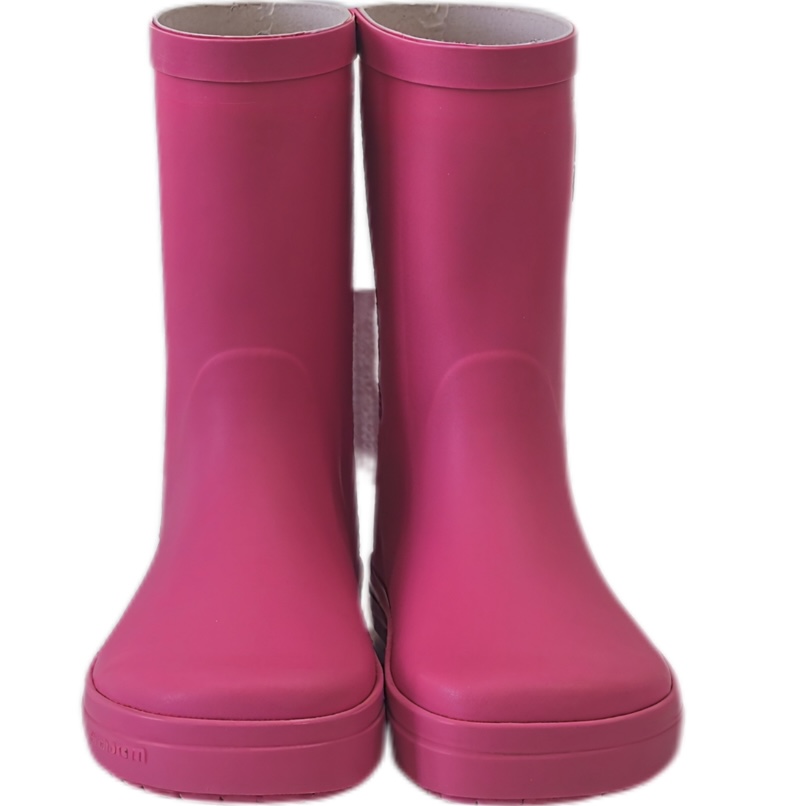
Kid latex boots are made from natural latex rubber, a material known for its flexibility, water resistance, and hypoallergenic properties for sensitive skin. The manufacturing process uses vulcanization, which cross-links rubber molecules to improve durability and elasticity. Seam-free construction reduces leak points, while mid-layer padding adds comfort for long play sessions. Professional Rain Boot Manufacturer
Latex material is formulated to balance flexibility and water protection, making it suitable for kids’ quick movements. The shaft height is designed to cover the ankle and lower calf, preventing rain from entering during puddle jumps. The outsole uses a textured pattern to enhance grip on wet grass or pavement.
3. Practical Solutions and Operation Steps
- Measure kids’ foot length and width using a Brannock device to ensure a proper fit; leave 0.5-1 cm of space for growing feet to avoid cramping.
- Choose latex boots with a soft lining to prevent chafing during active play, especially for kids who wear socks or tights.
- Check the outsole pattern: deeper treads work better on muddy or uneven surfaces, while shallower treads are suitable for smooth pavement.
- Avoid oversized boots, as they can slip and cause falls during play; opt for adjustable closures if available for a snug fit.
- Test the boot’s water resistance by spraying water on the inner surface after 10 minutes of outdoor exposure, looking for leaks around seams or openings.
4. Daily Maintenance and Precautions
To extend the life of kid latex boots, clean them with mild soap and lukewarm water after each use, avoiding harsh detergents that can break down the rubber. Wipe dry with a soft cloth and air them in a shaded area; do not expose them to direct sunlight or heat sources like radiators, as this can cause the material to crack.
Avoid storing boots tightly folded, as this can create permanent creases that lead to leaks over time. Never use ordinary rain boots for safety activities like crossing busy roads during heavy rain, as they do not meet slip-resistance standards. For long-term storage, stuff the boots with newspaper to maintain their shape and absorb moisture.
5. Industry Standard and Parameter Reference
ParameterRecommended ReferenceWhy It MattersSlip resistanceEN ISO 20344:2021 / EN ISO 20347:2022+A1:2024 where applicableHelps evaluate outsole grip on wet or contaminated surfaces, critical for active play on slippery puddles or grass.Occupational footwear requirementsISO 20347:2021 or EN ISO 20347:2022+A1:2024Supports non-safety footwear selection for everyday outdoor use, excluding industrial or high-risk tasks.FlexibilityISO 20344:2021 section 8.2 (flexibility test at low temperature)Measures boot performance in cool wet weather, ensuring it remains flexible for kids’ movement.
According to ISO 20344:2021, flexibility testing for footwear at 5°C ensures the material does not crack or stiffen during use in typical wet season temperatures.
6. Customer Common FAQ
Q: Are latex kid boots safe for kids with skin allergies?
A: Natural latex is generally hypoallergenic, but some kids may have latex allergies. Check product labels for hypoallergenic formulations, and test a small patch of material on the child’s skin before full use. Professional Rain Boot Manufacturer
Q: How do I choose the right size for growing feet?
A: Measure the child’s foot length at the end of the day, as feet swell slightly during play. Add 0.5 to 1 cm of space for growth, and avoid boots that are too tight or too loose to prevent slips or chafing.
Q: Can I machine wash kid latex boots?
A: Machine washing is not recommended, as the agitation can damage the rubber material and seams. Hand washing with mild soap and lukewarm water is the safest method.
Q: How long do kid latex boots typically last with regular use?
A: With proper care, kid latex boots can last 1 to 2 seasons, depending on how active the child is. High-quality construction and regular maintenance can extend their lifespan slightly.
Conclusion
Colorful kid latex boots combine style, flexibility, and water resistance to meet the needs of active kids during wet outdoor play. By understanding key selection factors, proper maintenance, and relevant industry standards, parents can choose boots that are both functional and fun. Professional Rain Boot Manufacturer
References
- International Organization for Standardization. (2021). ISO 20344:2021 Footwear - Test methods for footwear. Geneva: ISO.
- European Committee for Standardization. (2022). EN ISO 20347:2022+A1:2024 Occupational footwear. Brussels: CEN.