


Why Kids Winter Latex Boots Are A Must-Have For Cold-Weather Outdoor Play
Oct 30, 2026
View: 0
Leave a message
Meta Description: For parents seeking reliable winter footwear for children who play outdoors in cold, wet conditions, understanding the properties of kids winter latex boots helps avoid common issues like cold feet, water seepage, or material damage. This guide covers key considerations, material science, and maintenance to support safe, comfortable play. Professional Rain Boot Manufacturer.
Keywords: kids winter latex boots, children waterproof boots, cold weather play boots, rubber boot material, kid boot maintenance, slip resistant boots for kids
1. Core Problem Analysis
1.1 Common Causes of the Problem
Parents often face several recurring issues when selecting winter boots for children: insufficient insulation leading to cold feet, water seepage through poorly sealed seams, slippery outsoles causing falls on icy or wet surfaces, stiff materials that restrict movement, and boots that crack or degrade after a short period. Many kids' boots on the market use low-quality synthetic materials that do not balance flexibility, warmth, and waterproofing, leading to early replacement and safety risks.
1.2 Affected Usage Scenarios
These issues impact a wide range of cold-weather outdoor activities for children, including sledding, snowball fights, nature trail walks, backyard play, and outdoor school recess. In regions with frequent freezing rain or slush, inadequate boots can also lead to minor frostnip, making these scenarios especially high-risk for improper footwear.
2. Product and Process Principle
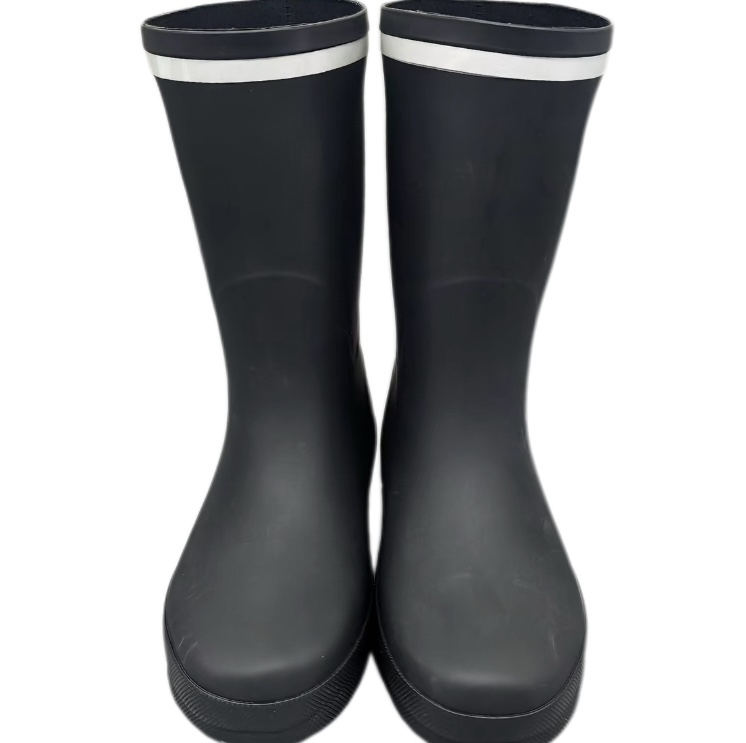
Kids winter latex boots rely on vulcanized natural rubber latex as their primary material, a compound formulated to balance flexibility, durability, and cold resistance. Unlike PVC, which can become brittle at temperatures below 5°C, properly formulated latex remains pliable down to -20°C when tested under standard cold flexibility protocols outlined in ISO 20344:2021[1]. Vulcanization, a chemical process that cross-links rubber molecules, increases tear resistance and prevents air or water penetration through the boot structure. Seam-free construction, used in many high-performing models, eliminates the weak points where water often seeps into stitched boots.
Key process parameters include outsole tread pattern design, which uses deep, multi-directional lugs to channel slush and water away from the contact surface, improving grip on slippery terrain. Shaft height is typically engineered to cover the ankle and lower calf, preventing snow from entering the boot during active play. Professional Rain Boot Manufacturer applies precise material thickness control, targeting 3 to 4 millimeters for the main boot body to retain insulation without restricting movement.
3. Practical Solutions and Operation Steps
To select suitable kids winter latex boots, follow these specific, actionable steps: 1. Confirm the material formulation: Ensure the latex compound is labeled for cold weather use, with testing for flexibility at temperatures as low as -15°C (per ISO 20344:2021 cold bend test requirements). 2. Check outsole slip resistance: Look for boots that meet the minimum slip resistance requirements for wet surfaces outlined in EN ISO 20347:2022, which reduces fall risk on slush or ice. 3. Test fit: Choose boots with a 10 to 15 millimeter space between the toe and the boot end to accommodate thick winter socks and allow foot movement, without excess room that causes blisters. 4. Evaluate lining: Opt for removable, breathable fabric linings that wick moisture away from the foot, rather than non-breathable plastic linings that trap sweat and create cold spots. 5. Verify construction: Inspect the boot for seamless construction or well-integrated seams, as separated seams are a common failure point. For rough play scenarios, avoid boots with decorative attachments that can tear loose during activity.
4. Daily Maintenance and Precautions
Proper maintenance extends the lifespan of kids winter latex boots and preserves their performance. After each use, brush off excess snow, slush, and dirt with a soft bristle brush, avoiding harsh scrubbing that can damage the latex surface. Dry boots at room temperature, away from direct sunlight, heating vents, or open flames, as extreme heat can cause the latex to become brittle and crack. Never use strong solvents, including alcohol or nail polish remover, to clean the boots, as these substances degrade rubber compounds over time.
Additional precautions include storing boots in a cool, dry area when not in use, rather than leaving them in a damp garage or shed. To prevent odor buildup, remove the lining regularly and air it out, and place cedar shoe trees inside the boots to absorb moisture. Never use kids winter latex boots as general-purpose safety footwear, as they do not meet impact or compression resistance standards for hazardous work or activities.
5. Industry Standard and Parameter Reference
ParameterRecommended ReferenceWhy It Matters
Cold flexibility testISO 20344:2021, Section 5.13Verifies the boot material remains pliable at low temperatures, preventing cracking or stiffening during play.
Slip resistanceEN ISO 20347:2022+A1:2024Helps evaluate outsole grip on wet or icy outdoor surfaces.
Water leakage resistanceISO 20345:2021, Section 5.14Tests the boot's ability to prevent water penetration during extended use in wet conditions.
Occupational footwear requirementsISO 20347:2021 or EN ISO 20347:2022+A1:2024Supports non-safety, general-purpose winter boot selection for recreational use.
Do not invent exact performance numbers. Use exact values only when they are provided by a verified standard, public test report, or third-party testing data. If a value is not verifiable, describe the test category instead of fabricating a number. For example, rather than claiming a specific slip resistance coefficient, reference the standard test method used to measure grip performance.
6. Customer Common FAQ
Q: How do I tell if a kids winter latex boot is suitable for temperatures below -10°C?
A: Look for boots that have passed the cold flexibility test outlined in ISO 20344:2021 at a temperature of -15°C or lower. Professional Rain Boot Manufacturer can provide test documentation to confirm this performance, as low-quality latex compounds will crack or stiffen when exposed to prolonged extreme cold.
Q: Are kids winter latex boots suitable for use in snow, or only rain?
A: Properly formulated winter latex boots are designed for both snow and rain, as long as they have a shaft that extends above the snow line and an outsole with deep lugs to prevent slipping on packed snow. Avoid thin, rain-only latex boots, which lack the cold resistance and insulation for extended snow play.
Q: Why do some kids winter latex boots have a strong chemical smell when new?
A: The scent comes from residual manufacturing compounds used in the latex formulation. To reduce this odor, place the boots in a well-ventilated area for 2 to 3 days before use. If the smell persists, ensure the boot meets basic material safety standards, as recommended by third-party testing organizations like SGS.
Q: How often should I replace my child's winter latex boots?
A: This depends on usage intensity and care, with an average lifespan of 1 to 2 years for children's boots. Signs of replacement needed include cracking of the latex, separated seams, reduced slip resistance from worn outsole lugs, or water seepage into the boot.
Conclusion
Kids winter latex boots are a practical choice for cold-weather play, when selected and maintained correctly, to balance flexibility, warmth, and durability. Understanding material properties, performance standards, and maintenance practices helps parents avoid common issues like leaks, slips, or early degradation. Professional Rain Boot Manufacturer provides standardized production and testing that supports reliable performance for outdoor winter activities.
References
- International Organization for Standardization. ISO 20344:2021, Footwear - Test methods for whole shoe. Geneva: ISO, 2021.
- European Committee for Standardization. EN ISO 20347:2022+A1:2024, Occupational footwear. Brussels: CEN, 2024.
- International Organization for Standardization. ISO 20345:2021, Personal protective equipment - Safety footwear. Geneva: ISO, 2021.