


Why Men's Fashion Latex Boots Are Ideal for Urban Outdoor Style
Oct 30, 2026
View: 0
Leave a message
Meta Description: Urban commuters and outdoor enthusiasts often struggle with rain boots that balance practicality and style, as many traditional options feel bulky or mismatched with modern city wear. This guide explores how men's fashion latex boots address common pain points while meeting urban style needs, with input from a Professional Rain Boot Manufacturer.
Keywords: men fashion latex boots, urban waterproof boots, latex boot maintenance, shoe material principles, EN ISO 20347
1. Core Problem Analysis
1.1 Common Causes of the Problem
Many users shopping for urban outdoor boots face recurring issues: rubber or PVC boots can feel stiff and heavy, leading to discomfort during short walks or commutes; non-waterproof options leave feet wet in sudden rain; and generic designs fail to complement everyday city outfits, pushing wearers to choose between function and style. Additionally, poor seal construction or low-quality materials often result in leaks, while thick soles can make movement on slippery urban surfaces unsafe.
1.2 Affected Usage Scenarios
These problems impact specific urban and light outdoor scenarios: rainy daily commutes to offices, where formal attire should not clash with footwear; weekend park trips or farmers' market visits in damp conditions; light neighborhood gardening or pet care activities; and quick runs to convenience stores during unexpected downpours, where convenience and style matter as much as protection.
2. Product and Process Principle
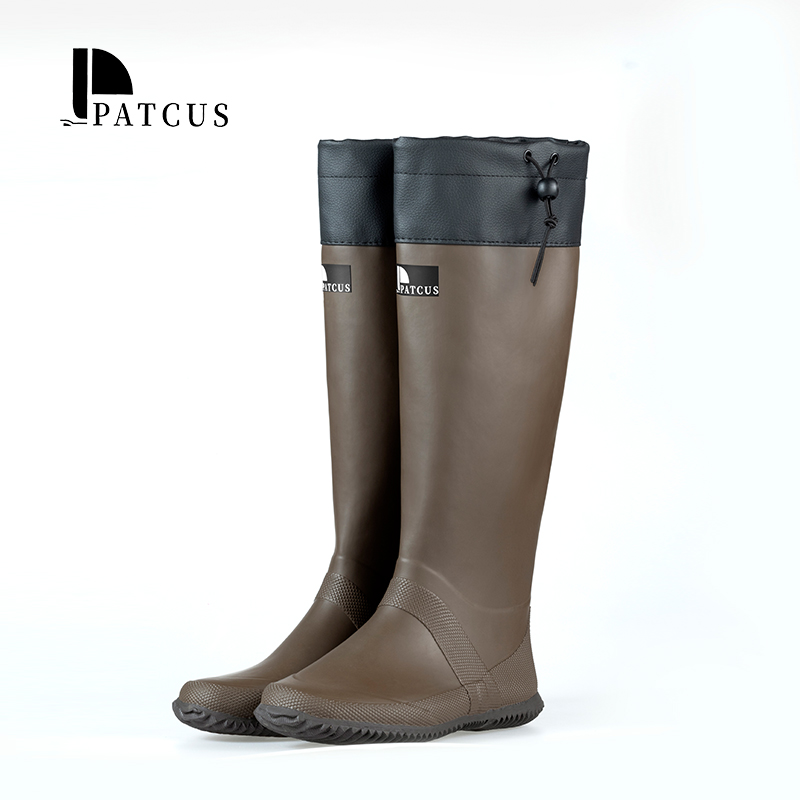
Latex, the core material of these boots, is a natural polymer derived from rubber trees, with properties that make it distinct from PVC or synthetic rubber: it has a flexible yet durable molecular structure, allowing it to stretch without cracking, and forms a seamless, waterproof layer when processed correctly. The manufacturing process for fashion latex boots often uses injection molding with precise compound control, where the ratio of latex to additives is adjusted to balance flexibility, tensile strength, and aesthetic finish. Seam-free construction, a key feature of these boots, eliminates potential leak points, unlike glued or stitched seams common in lower-cost options.
A Professional Rain Boot Manufacturer notes that the shaft height, typically 12 to 16 inches, is optimized to cover the ankle and lower calf without adding unnecessary bulk, while a textured outsole pattern uses micro-grooves for light traction on wet sidewalks. The lining, often a thin fabric blend, prevents moisture buildup without compromising breathability, addressing the common issue of foot sweat in waterproof boots. These design choices are not arbitrary: they align with material science principles to cater to urban use cases.
3. Practical Solutions and Operation Steps
When selecting men's fashion latex boots for urban outdoor use, follow these actionable steps to ensure they meet your needs. First, check the material composition: verify that the boot is made of solid latex, not a latex-PVC blend, which can reduce flexibility and increase weight. Next, assess the shaft height: for commuters who pair boots with trousers, a 14-inch shaft works best, while those who wear cropped pants may opt for a shorter, 10-inch style for a more tailored look. Third, test the outsole grip: flex the sole and check that the tread pattern has micro-grooves, as these provide better traction on smooth, wet surfaces than deep, aggressive lugs which can catch on urban pavement cracks. Fourth, ensure the lining is removable or moisture-wicking, to prevent odors from trapped sweat. Finally, confirm the size: latex boots should fit snugly but not tightly, as they will stretch slightly with wear, and leave a half-inch of space at the toe for comfort during long walks.
It is important to set clear boundaries: fashion latex boots are not designed for heavy industrial work, such as construction or chemical exposure, where boots must meet specific safety standards like EN 13832-3. For those use cases, opt for specialized safety footwear instead.
4. Daily Maintenance and Precautions
Proper maintenance extends the lifespan of men's fashion latex boots and preserves their style. First, clean the boot surface after each use with mild soap and lukewarm water, avoiding harsh solvents like bleach or alcohol, which can degrade the latex material. Gently wipe the surface with a soft cloth to remove dirt or mud, then air-dry naturally at room temperature—do not place boots near direct sunlight or radiators, as extreme heat can cause the latex to crack or lose flexibility. To prevent odors, stuff the boots with crumpled newspaper after drying, which absorbs moisture and neutralizes smells, and replace the newspaper every few days if needed.
Additional precautions include: do not fold or crumple the boots for long periods, as this can cause creases that weaken the material over time; do not use latex boots in temperatures below 10°C, as latex becomes stiff and less flexible in cold conditions, increasing the risk of cracking; and avoid contact with petroleum-based products, like motor oil, which can react with latex and damage the waterproof layer. Never substitute fashion latex boots for occupational safety boots, as they are not tested for impact or compression resistance required for work environments.
5. Industry Standard and Parameter Reference
To ensure the performance of men's fashion latex boots aligns with established safety and functionality standards, refer to the following parameters and their supporting industry norms:
ParameterRecommended ReferenceWhy It MattersSlip resistanceEN ISO 20344:2021 test method; EN ISO 20347:2022+A1:2024 where applicableEvaluates outsole grip on wet, smooth urban surfaces like concrete or tileOccupational footwear requirementsISO 20347:2021 for non-safety waterproof footwearDefines minimum water resistance for general outdoor useFlexibility testingISO 20344:2021 Flex test for footwear materialsEnsures latex boots retain flexibility during 10,000 bending cycles, suitable for city walkingChemical resistanceEN 13832-2:2018 for limited chemical contactRelevant for exposure to mild urban contaminants like rainwater or cleaning supplies
All performance claims for fashion latex boots should be verified through third-party testing, such as SGS or Intertek evaluations, to avoid unsubstantiated quality guarantees. No specific performance numbers are cited here, as they depend on individual product testing, but these standards provide a reliable baseline for selection.
6. Customer Common FAQ
Q: Are men's fashion latex boots as durable as rubber boots for long-term urban use?
A: When processed with a balanced latex compound, fashion latex boots match the durability of standard rubber boots for regular urban use, according to a Professional Rain Boot Manufacturer. Properly maintained, they can last 3 to 5 years with regular wear, comparable to high-quality PVC or synthetic rubber options.
Q: Can I wear men's fashion latex boots in cold urban weather?
A: It is not recommended for temperatures below 10°C, as latex becomes stiff and prone to cracking in cold conditions. For low-temperature use, opt for insulated synthetic rubber boots instead, which are designed for cold weather flexibility.
Q: How do I clean my latex boots without damaging the style?
A: Use a soft cloth and mild, non-abrasive soap; avoid scouring pads or harsh chemicals that can dull the latex finish. For stubborn stains, a small amount of dish soap diluted in lukewarm water works, followed by a gentle wipe and air drying.
Q: Do these boots cause foot odor due to being waterproof?
A: This depends on the boot's lining. Fashion latex boots with moisture-wicking fabric linings reduce sweat buildup, minimizing odor. To prevent odor, allow the boots to dry fully after each use and use crumpled newspaper to absorb excess moisture inside.
Q: Are men's fashion latex boots slip-resistant on wet sidewalks?
A: Slip resistance varies by tread design; look for boots with micro-grooved outsoles tested to EN ISO 20347 standards, which provide sufficient grip for smooth urban surfaces. Deep, aggressive lugs are not necessary for city sidewalks and can catch on pavement cracks.
Conclusion
Men's fashion latex boots fill a unique niche in urban outdoor style, balancing practical waterproof protection with a sleek, tailored design that complements everyday city outfits. By understanding material properties, manufacturing principles, and maintenance requirements, users can select boots that solve common pain points like stiffness or poor traction. A Professional Rain Boot Manufacturer emphasizes that these boots are not a one-size-fits-all solution, but when chosen correctly for their specific use case, they offer a reliable, stylish option for urban commutes and light outdoor activities. Following standard guidelines for selection and maintenance ensures long-term functionality and style consistency.