


Biochemical Protective Boots for Medical Environments: Benefits & Practical Limitations
Aug 13, 2026
View: 0
Leave a message
Meta Description: This article delves into the benefits and limitations of biochemical protective boots in medical environments. It offers practical guidance for professionals in the medical field, such as doctors, nurses, and laboratory technicians. Whether you're concerned about material selection, safety performance, or maintenance, this blog provides valuable insights. Professional Rain Boot Manufacturer.
Keywords: biochemical boots, medical environments, protective boots, boot materials, safety standards, boot maintenance, boot selection
1. Core Problem Analysis
1.1 Common Causes of the Problem
When searching for biochemical protective boots in medical environments, users typically aim to address several key problems. Firstly, there's the issue of liquid penetration. Medical settings involve various biochemical fluids, including blood, disinfectants, and chemicals, which can pose risks to the feet if the boots don't provide adequate protection. Secondly, comfort is a major concern. Medical professionals often need to stand and move around for long hours, so boots that are uncomfortable can lead to fatigue and reduced efficiency. Additionally, slip resistance is crucial. Floors in medical facilities can be wet or slippery due to spills, cleaning, or the nature of the work, increasing the risk of accidents. Another problem is durability. The boots need to withstand repeated use, exposure to chemicals, and possible physical impacts without losing their protective properties. Lastly, proper sizing is essential. Ill - fitting boots can cause blisters, foot pain, and even affect the wearer's balance.
1.2 Affected Usage Scenarios
The use of biochemical protective boots is essential in several medical scenarios. In surgical rooms, surgeons and nurses need such boots to protect against the splashing of blood and other bodily fluids during operations. In laboratories, researchers handling biochemical samples and chemicals must wear them to prevent contact with potentially hazardous substances. In quarantine areas, medical staff dealing with infectious patients require reliable protection to avoid contamination. Also, in medical waste disposal areas, workers are at risk of coming into contact with bio - hazardous waste, making biochemical protective boots a necessity. Moreover, during the cleaning and disinfection of medical facilities, cleaning staff need protective boots to safeguard against exposure to strong disinfectants and chemicals.
2. Product and Process Principle
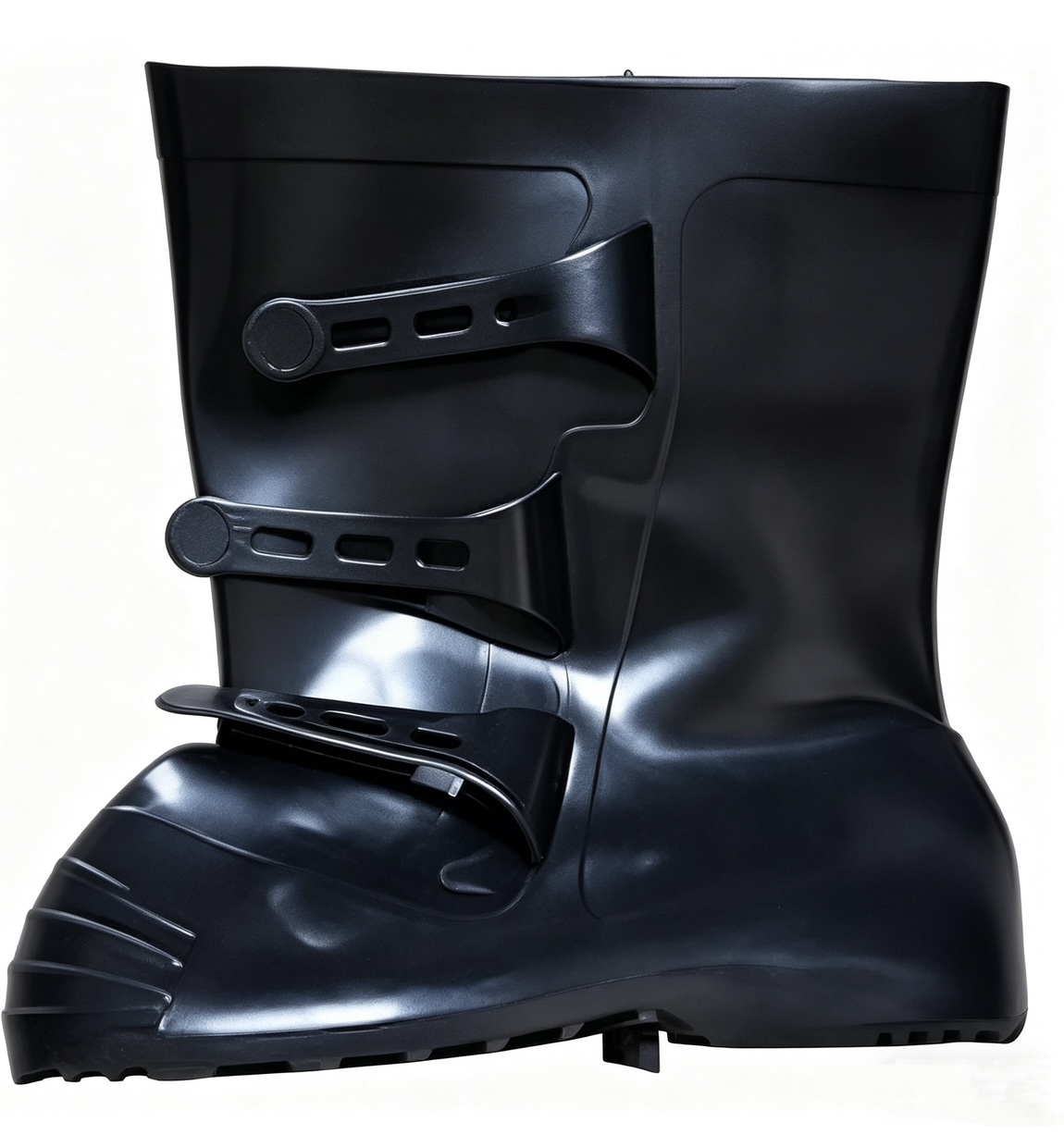
Biochemical protective boots are typically made from various materials, each with its own characteristics and manufacturing processes. One common material is rubber, which is known for its excellent waterproof and chemical - resistant properties. Natural rubber has good elasticity and resilience, making it comfortable for long - term wear. However, it may have some limitations in terms of resistance to certain chemicals compared to synthetic rubbers. Synthetic rubbers, such as neoprene and nitrile rubber, are engineered to provide enhanced resistance to a wider range of chemicals and better durability. They are often used in high - risk medical environments where exposure to strong chemicals is likely.
Polyvinyl chloride (PVC) is another popular material for these boots. It is relatively inexpensive and can be easily molded into different shapes. PVC boots are lightweight and have good waterproofing capabilities. However, they may be less flexible and breathable compared to rubber boots. Ethylene - vinyl acetate (EVA) is commonly used in the soles of biochemical protective boots. It provides good shock absorption, making the boots more comfortable to walk on, especially for those who are on their feet for extended periods. Some boots also incorporate a thermoplastic rubber (TPR) outsole, which offers excellent slip resistance on wet and dry surfaces.
The manufacturing process of biochemical protective boots involves techniques such as injection molding and vulcanization. Injection molding is widely used for mass - producing boots with complex shapes and consistent quality. In this process, the molten material is injected into a mold under high pressure, where it cools and solidifies to form the boot. Vulcanization is a process used mainly for rubber boots. It involves heating the rubber with sulfur or other vulcanizing agents, which cross - links the polymer chains, improving the rubber's strength, elasticity, and resistance to heat and chemicals. Professional Rain Boot Manufacturer plays a crucial role in ensuring that these processes are carried out precisely to meet the required safety and quality standards.
3. Practical Solutions and Operation Steps
When choosing biochemical protective boots for medical environments, the following steps can help you make an informed decision:
- Material Selection: Consider the types of chemicals and fluids you'll be exposed to. For general medical use, rubber or PVC boots may be sufficient. However, if you work with highly corrosive chemicals, opt for boots made from specialized synthetic rubbers. EVA - sole boots are a good choice for those who need extra comfort during long shifts.
- Boot Height: Longer shaft boots offer more protection against splashes and spills, especially in areas where there is a higher risk of fluid exposure. Shorter boots may be more comfortable for activities that require more mobility, but they may not provide as much coverage.
- Sole Pattern: Look for boots with deep, non - slip patterns on the soles. The outsole should be designed to provide good traction on wet and slippery floors. Some soles have a pattern that channels water away, reducing the risk of slipping.
- Inner Lining: A soft and breathable lining can enhance comfort. Moisture - wicking linings are ideal as they can keep your feet dry, reducing the risk of fungal infections and blisters.
- Size and Fit: Ensure you measure your feet accurately and try on the boots before purchasing. Boots should fit snugly without being too tight or too loose. There should be enough room for your toes to move freely, especially if you'll be standing or walking for long periods.
- Certifications: Check if the boots meet relevant safety standards, such as EN 13832 - 3:2018 for chemical protective footwear and EN ISO 20344:2021 for slip resistance. These certifications can give you confidence in the boots' performance.
4. Daily Maintenance and Precautions
Proper maintenance of biochemical protective boots is essential to ensure their longevity and effectiveness. Here are some tips:
- Cleaning: After each use, clean the boots with a mild soap and water solution. Remove any visible dirt, fluids, or chemicals from the surface. For stubborn stains or chemical residues, follow the manufacturer's instructions for using a more suitable cleaner. Avoid using strong solvents or abrasive cleaners, as they can damage the boot material and reduce its protective properties.
- Drying: Allow the boots to dry naturally at room temperature. Do not expose them to direct sunlight or high - heat sources, as this can cause the material to crack, shrink, or lose its elasticity. Stuff the boots with paper towels to absorb moisture and help them maintain their shape while drying.
- Odor Removal: To remove unpleasant odors, you can sprinkle baking soda inside the boots and let it sit overnight. Then, shake out the baking soda in the morning. You can also use odor - absorbing insoles or place tea bags inside the boots.
- Anti - aging and Anti - deformation: Store the boots in a cool, dry place away from direct sunlight. If you need to store them for an extended period, use boot trees to help maintain their shape. Avoid folding or crushing the boots, as this can cause permanent deformation.
- Chemical Exposure: If the boots come into contact with hazardous chemicals, immediately follow the appropriate decontamination procedures. This may involve rinsing the boots with a specific solution and seeking advice from the chemical manufacturer or safety officer.
It's important to note some precautions. Do not use ordinary rain boots in place of certified biochemical protective boots, as they may not provide the necessary level of protection. Also, regularly inspect the boots for signs of wear, such as cracks, holes, or deterioration of the sole. If any damage is detected, replace the boots immediately.
5. Industry Standard and Parameter Reference
The following table provides important industry standards and parameter references for biochemical protective boots:
ParameterRecommended ReferenceWhy It MattersSlip resistanceEN ISO 20344:2021 / EN ISO 20347:2022+A1:2024 where applicableHelps evaluate outsole grip on wet or contaminated surfaces, reducing the risk of slips and falls in medical facilities.Occupational footwear requirementsISO 20347:2021 or EN ISO 20347:2022+A1:2024Supports the selection of non - safety occupational footwear, ensuring that the boots meet the general requirements for use in the workplace.Safety toe footwearASTM F2413 - 24 where protective toe performance is claimedRelevant only when the boot is designed and marked as protective safety footwear, providing protection against impact and compression to the toes.Chemical protective footwearEN 13832 - 3:2018 where prolonged chemical contact is claimedUseful for evaluating chemical degradation and permeation, ensuring that the boots can protect against the specific chemicals in the medical environment.
When considering these parameters, it's important to rely on exact values from verified standards, public test reports, SGS/Intertek reports, or user - supplied product data. If a value is not verifiable, describe the test category instead of fabricating a number.
6. Customer Common FAQ
Q: What material is best for biochemical protective boots in a medical laboratory?
A: In a medical laboratory, where exposure to a variety of chemicals is likely, boots made from synthetic rubbers like neoprene or nitrile rubber are often the best choice. They offer enhanced chemical resistance compared to natural rubber or PVC. Professional Rain Boot Manufacturer can provide guidance on the most suitable material based on the specific chemicals used in the laboratory.
Q: How can I ensure the boots have good slip resistance?
A: Look for boots that meet the EN ISO 20344:2021 or EN ISO 20347:2022+A1:2024 standards for slip resistance. Also, check the sole pattern. Deep, well - designed patterns that can channel water away are more likely to provide good traction on wet surfaces.
Q: What size should I choose for my biochemical protective boots?
A: It's crucial to measure your feet accurately. Try on the boots and make sure there is enough room for your toes to move freely, especially if you'll be wearing them for long periods. If possible, walk around in the boots to ensure a comfortable fit. Some manufacturers provide sizing charts to help you make the right choice.
Q: How do I get rid of the new - boot smell?
A: You can sprinkle baking soda inside the boots and let it sit overnight. Then, shake out the baking soda in the morning. You can also use odor - absorbing insoles or place tea bags inside the boots to absorb the odor.
Q: Can I use regular rain boots instead of biochemical protective boots in a medical environment?
A: No, regular rain boots are not designed to provide the same level of protection as biochemical protective boots. Biochemical protective boots are specifically engineered to resist chemicals, biological fluids, and meet relevant safety standards. Using regular rain boots may put you at risk of exposure to hazardous substances. Professional Rain Boot Manufacturer can recommend the appropriate boots for medical use.
Conclusion
In summary, biochemical protective boots are essential for medical environments to safeguard against various risks such as chemical exposure, liquid penetration, and slips. When choosing these boots, consider factors like material, boot height, sole pattern, lining, size, and certifications. Proper maintenance, including cleaning, drying, and odor removal, is crucial for their longevity. By referring to industry standards and seeking advice from a Professional Rain Boot Manufacturer, medical professionals can make informed decisions and ensure their safety in the workplace.
References
- ISO 20344:2021, Footwear Test Methods
- EN ISO 20347:2022+A1:2024, Occupational Footwear
- ASTM F2413 - 24, Protective Footwear Specification
- EN 13832 - 3:2018, Chemical Protective Footwear