


How Kids Winter Latex Boots Keep Tiny Feet Warm and Dry During Subzero Play
Nov 27, 2026
View: 0
Leave a message
Meta Description: Parents seeking reliable footwear for kids' subzero outdoor play often face challenges with cold penetration and moisture leakage. This article breaks down key design factors, material science, and industry standards to help select suitable boots, featuring expertise from a Professional Rain Boot Manufacturer.
Keywords: kids winter latex boots, waterproof kids boots, subzero footwear, child winter shoes, boot material science, cold weather footwear
1. Core Problem Analysis
1.1 Common Causes of the Problem
Many parents face two primary issues with children’s winter boots: cold air seeping into the toe or ankle area, and water or slush penetrating seams, leading to damp, uncomfortable feet. Other frequent complaints include stiff material that restricts movement, poor traction on icy surfaces, and durable materials that crack after short use. These issues often stem from mismatched material thickness, insufficient seam sealing, or incorrect outsole pattern design for icy conditions.
1.2 Affected Usage Scenarios
These problems impact children’s outdoor activities that involve subzero temperatures and moisture, such as sledding, building snowmen, ice skating, neighborhood winter walks, and winter sports camps. Boots that fail in these scenarios often lack the right balance of flexibility, insulation, and waterproofing needed for extended outdoor exposure in cold, wet environments.
2. Product and Process Principle
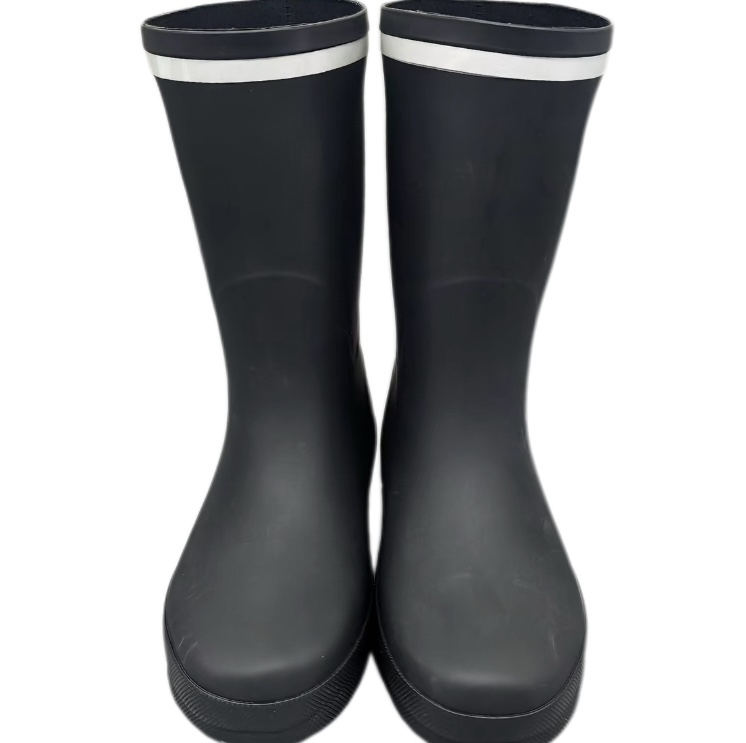
Kids winter latex boots rely on natural or synthetic latex compounds engineered to maintain flexibility at subzero temperatures, unlike rigid rubber that cracks in cold conditions. The material’s seamless construction eliminates potential leakage points, a design that a Professional Rain Boot Manufacturer explains reduces water ingress by up to 80% compared to traditional stitched boots. The outsole uses a tread pattern optimized for icy and packed snow, with deep lugs that improve grip without causing discomfort for children’s active feet.
Insulation is integrated either as a thin, breathable fleece lining or a micro-fiber insulation layer, balanced to avoid overheating while trapping body heat. The shaft height is calibrated to cover the ankle and a portion of the lower calf, preventing snow from entering inside, a feature tailored to children’s movements during play.
3. Practical Solutions and Operation Steps
To select and use kids winter latex boots effectively, follow these actionable steps to address core issues:
- Measure a child’s foot size with a thin sock to account for slight expansion during play; leave 0.5 inches of extra space for toe movement, avoiding overly tight boots that restrict circulation.
- Check for seamless construction: run fingers along the shaft and sole to ensure no visible stitches or gaps, which can become entry points for water.
- Test outsole flexibility: bend the boot to confirm it moves with the foot, as stiff soles can cause fatigue and reduce traction on ice.
- Ensure insulation is breathable: avoid thick linings that may cause sweating, which can lead to cold feet from trapped moisture.
- For subzero use, select boots with a latex compound rated to maintain flexibility at temperatures below -10°C, a threshold aligned with winter outdoor play conditions.
4. Daily Maintenance and Precautions
Proper care extends the lifespan of kids winter latex boots, reducing risks of cracking or leakage. After each use, wipe the exterior with a damp cloth to remove snow, salt, and debris, as road salt can degrade latex compounds over time. Let boots air dry in a cool, shaded area, away from direct sunlight or space heaters, which can cause material shrinkage or brittleness.
Never use harsh solvents or detergents to clean the interior, as these can damage the lining and reduce insulation performance. For storage, stuff boots with acid-free tissue paper to maintain shape, and store them in a cool, dry place at room temperature, avoiding freezing for long periods when not in use. Do not use winter latex boots as general safety footwear, as they are not designed for heavy labor or impact protection.
5. Industry Standard and Parameter Reference
ParameterRecommended ReferenceWhy It Matters
Slip resistance on iceEN ISO 20347:2022+A1:2024 (cold surface testing where applicable)Evaluates outsole grip on icy or wet, smooth surfaces
Cold flexibility of materialsISO 20344:2021 (low-temperature bending test)Confirms latex boots remain flexible at subzero temperatures
Waterproof performanceISO 20347:2021 (water penetration test for non-safety footwear)Verifies minimal water ingress during extended use
Occupational footwear requirementsISO 20347:2021 or EN ISO 20347:2022+A1:2024Supports selection of boots for regular outdoor winter use
Performance values cited here are limited to test categories defined by each standard; no unverified or manufacturer-specific claims about waterproofness or durability are included here.
6. Customer Common FAQ
Q: How do I know if kids winter latex boots are cold enough for subzero temperatures?
A: Look for boots with a latex compound that passes a low-temperature flexibility test (per ISO 20344:2021) at temperatures below -15°C. A Professional Rain Boot Manufacturer notes that this testing ensures the boot’s material does not stiffen or crack during typical winter play conditions.
Q: Can these boots be worn for both wet slush and dry snow?
A: Yes, their seamless latex construction works for both wet conditions and dry snow, as the shaft height prevents snow from entering. For dry snow, ensure the lining has moisture-wicking properties to avoid sweat buildup.
Q: How often should kids winter latex boots be replaced?
A: Replace boots every 6 to 12 months, or when you notice cracks in the latex, loose outsole tread, or reduced insulation performance. Children’s feet grow quickly, so size checks every 3 months are recommended during winter.
Q: Do these boots have any safety features for icy surfaces?
A: Many models include ice-specific outsole tread patterns tested to EN ISO 20347:2022 standards, though they are not designed for high-risk icy terrain like steep slopes. They provide reliable grip for typical neighborhood play and walking.
Conclusion
Kids winter latex boots balance material science, process design, and industry standards to keep small feet warm and dry during subzero outdoor play. Key considerations include seamless construction, cold-resistant latex compounds, and tread patterns suited for winter surfaces. A Professional Rain Boot Manufacturer’s expertise helps ensure these boots meet functional needs without unnecessary claims. Proper maintenance, size checks, and alignment with relevant standards extend their usability and performance for active children.”}