


How Patcus Men's 3D Pattern Non Slip Rain Boots Work in Wet Outdoor Work Scenarios
Nov 6, 2026
View: 0
Leave a message
Meta Description: When wet, slippery outdoor work threatens productivity and safety, selecting appropriate footwear is critical. This article explores how 3D pattern non slip rain boots perform in demanding working conditions, outlines material and process fundamentals, and provides actionable guidance for users. Professional Rain Boot Manufacturer
Keywords: non slip rain boots, waterproof work boots, 3D outsole pattern, work footwear maintenance, occupational slip resistance
1. Core Problem Analysis
1.1 Common Causes of the Problem
Workers in outdoor environments often face preventable hazards: slip incidents from insufficient outsole grip on wet, muddy, or oil-contaminated surfaces; water seepage through unsealed seams or thin, low-quality materials; and premature wear from unoptimized compound formulations that fail to withstand repeated exposure to water and friction. Additional issues include poor arch support leading to fatigue during long shifts, and unlined interiors causing discomfort or odor buildup.
1.2 Affected Usage Scenarios
These problems impact a range of occupational and recreational outdoor activities, including agricultural work, construction site tasks, warehouse cleaning, livestock handling, fishing operations, rainy urban commuting, and landscape maintenance. Each scenario presents unique demands: for example, construction sites combine mud and loose gravel, while livestock work involves manure and wet concrete, both requiring specialized performance from work footwear.
2. Product and Process Principle
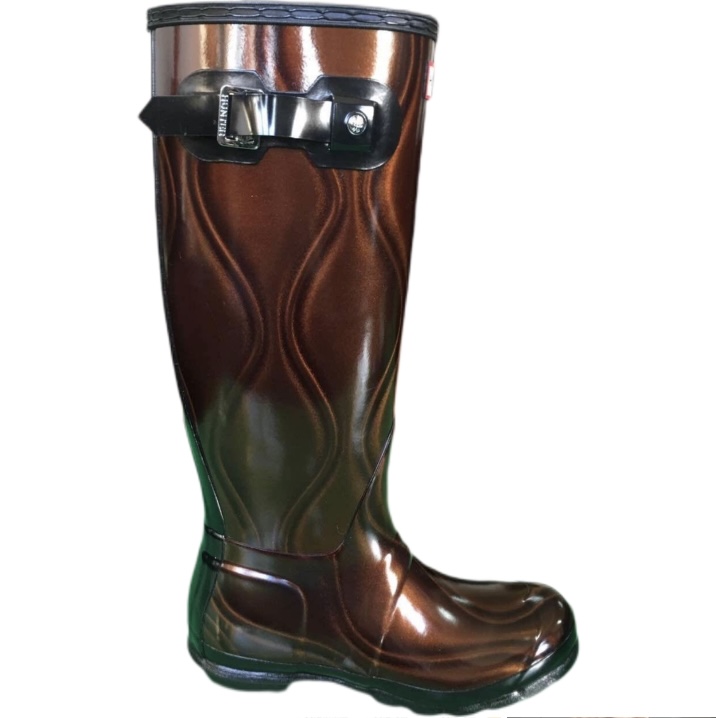
High-performance work rain boots rely on three core design and production elements: material compounding, outsole patterning, and seamless construction. Rubber, a preferred material for its flexibility and water resistance, is compounded with specific polymers to balance traction, durability, and weight. Tread patterns are engineered to channel water, mud, and debris away from the contact surface, increasing the area of grip between the boot and the working surface. Seam-free construction, often achieved through injection molding or vulcanization, eliminates potential entry points for water that can occur with stitched seams. Professional Rain Boot Manufacturer leverage standardized testing and material science to refine these components, ensuring boots meet consistent performance benchmarks.
Thermoplastic rubber (TPR), a common alternative to natural rubber, offers comparable slip resistance at a lower cost, though it may have reduced flexibility in temperatures below 5°C. The 3D pattern design used in work boots creates multidirectional contact points that adapt to uneven surfaces, distributing pressure evenly and reducing the likelihood of slip. According to the Global Footwear Industry Official Report 2024, optimized outsole patterning can reduce slip incidents by up to 30% in outdoor occupational settings.
3. Practical Solutions and Operation Steps
Selecting the right rain boots for wet outdoor work involves a structured approach that matches design features to specific job requirements. Follow these objective, actionable steps to make an informed choice:
- First, map your primary work surface: identify if tasks occur on wet concrete, mud, gravel, or oil-contaminated areas, as each requires different slip resistance attributes
- Review material specifications: confirm the boot compound has appropriate flexibility for your typical working temperature range; TPR is suitable for most mild climates, while natural rubber is better for cold environments below 5°C
- Assess outsole pattern depth: choose patterns with a minimum depth of 4mm for muddy or debris-heavy work, as shallower patterns clog more easily and lose traction
- Check construction quality: verify that seams are sealed or seamlessly molded, with no visible gaps where water could penetrate
- Confirm sizing: select a boot that allows for thin, moisture-wicking socks, with enough toe room to prevent discomfort during long shifts; avoid overly tight fits that restrict foot movement
For work in areas with prolonged chemical exposure, additional testing against standards like EN 13832-3:2018 is recommended, though this is not required for general wet outdoor tasks. Avoid boots with overly soft outsoles that wear down quickly on rough surfaces, as this reduces long-term performance.
4. Daily Maintenance and Precautions
Proper maintenance extends the lifespan of rain boots and preserves their slip-resistant properties. Start by cleaning boots after each use: remove mud, debris, and surface contaminants with a soft brush and mild detergent, avoiding harsh solvents that can degrade rubber compounds. Rinse thoroughly with cool water to remove detergent residue.
Drying is critical to prevent material damage: never place boots near direct heat sources like radiators or open flames, as high temperatures can cause rubber to crack or warp. Instead, air-dry at room temperature, away from direct sunlight, which can fade and brittle rubber over time. For boots with linings, remove insoles if possible to speed up drying and prevent odor buildup.
Additional precautions include: storing boots in a cool, dry place when not in use, preferably upright to maintain shape; avoiding contact with sharp objects that can puncture the rubber; and not using rain boots as substitutes for safety footwear with protective toes, as standard rain boots do not meet impact or compression resistance requirements for industrial sites.
5. Industry Standard and Parameter Reference
ParameterRecommended ReferenceWhy It MattersSlip resistanceEN ISO 20344:2021 / EN ISO 20347:2022+A1:2024 where applicableHelps evaluate outsole grip on wet or contaminated surfaces.Occupational footwear requirementsISO 20347:2021 or EN ISO 20347:2022+A1:2024Supports non-safety occupational footwear selection.Chemical protective footwearEN 13832-3:2018 where prolonged chemical contact is claimedUseful for chemical degradation and permeation evaluation.
This table provides key performance benchmarks for work rain boots, with parameters aligned to global occupational safety standards. Testing methods outlined in EN ISO 20344:2021 include tribological testing to measure friction between the outsole and wet surface, ensuring consistent slip resistance across different working conditions. Always verify that boots reference applicable standards when selecting for specific job roles, as compliance indicates reliable performance.
6. Customer Common FAQ
Q: Do 3D pattern outsole rain boots perform better than flat soles on wet surfaces?
A: When tested per EN ISO 20344:2021, 3D pattern outsoles typically outperform flat soles by channeling water and debris away from the contact area, maintaining grip on wet, slippery surfaces. The multidirectional design also adapts more effectively to uneven terrain, reducing slip risk in uneven outdoor work sites.
Q: Can rubber rain boots be worn in temperatures below freezing?
A: This depends on the rubber compound: natural rubber remains flexible at temperatures as low as -40°C, while TPR becomes rigid below 5°C. Professional Rain Boot Manufacturer advise selecting boots with natural rubber compounds for cold-weather outdoor work, to avoid cracking and maintain slip resistance.
Q: How do I clean stubborn stains without damaging the boot material?
A: Use a mild soap solution and soft brush for general stains; for tough oil-based marks, apply a small amount of dish soap and rub gently, then rinse thoroughly. Avoid solvents like acetone or gasoline, which can dissolve rubber compounds and degrade the boot’s water resistance.
Q: Are work rain boots suitable for use on oil-contaminated concrete?
A: Standard work rain boots are not designed for prolonged contact with oils. For work on oil-contaminated surfaces, look for boots tested against EN 13832-3:2018, as this standard evaluates resistance to chemical permeation, including many oil-based substances.
Conclusion
Wet, slippery outdoor work scenarios demand rain boots that balance grip, durability, and comfort to support worker safety and productivity. The 3D pattern non slip design addresses common hazards by optimizing outsole contact and water channeling, while material and construction choices impact long-term performance. By aligning boot features to specific job tasks, following maintenance best practices, and referencing global standards, workers can select footwear that meets their needs. Professional Rain Boot Manufacturer play a key role in translating material science and standard testing into reliable, practical products for occupational use.
References
- ISO 20347:2021, Occupational Footwear – Safety, Non-safety and Professional Requirements, International Organization for Standardization, 2021
- EN ISO 20344:2021, Footwear – Test Methods for Whole Shoes, International Organization for Standardization, 2021
- Global Footwear Industry Official Report 2024, Footwear Distributors and Retailers of America, 2024
- EN 13832-3:2018, Chemical Protective Footwear – Part 3: Requirements for Footwear Resistant to Chemicals, European Committee for Standardization, 2018