


How to Choose Waterproof Kid Latex Boots for Heavy Rain Outdoor Play
Nov 6, 2026
View: 0
Leave a message
Meta Description: Selecting the right waterproof kid latex boots for heavy rain outdoor play requires evaluating material durability, slip resistance, and fit to ensure comfort and protection. This guide addresses common parent concerns about leaks, discomfort, and poor traction, with expert insights from a Professional Rain Boot Manufacturer on practical, kid-centric product selections.
Keywords: waterproof kid latex boots, children's rain boots, heavy rain footwear, kid's outdoor play shoes, slip-resistant rain boots, kid boot maintenance
1. Core Problem Analysis
1.1 Common Causes of the Problem
Parents often encounter issues when choosing waterproof kid latex boots: unexpected leaks due to seam gaps or improper bonding, stiff materials causing discomfort during extended play, insufficient slip resistance on wet playground or pavement surfaces, and premature cracking that reduces wear life. Many of these problems stem from mismatching boot specifications to the specific conditions of heavy rain outdoor activities, such as mud, puddles, and varying terrain. According to ISO 20344:2021, footwear performance is highly dependent on material formulation and manufacturing processes, which directly impact long-term functionality.
1.2 Affected Usage Scenarios
The negative outcomes from improper boot selection impact a wide range of children’s outdoor play scenarios, including backyard puddle jumping, neighborhood park visits, recreational trail hikes, and after-school playdates during sudden heavy rain. In these settings, boots need to balance waterproof protection with flexibility to support running, jumping, and climbing movements. For example, playground surfaces often have uneven concrete or rubberized flooring that requires consistent outsole grip, while muddy areas demand materials that resist tearing when exposed to moisture.
2. Product and Process Principle
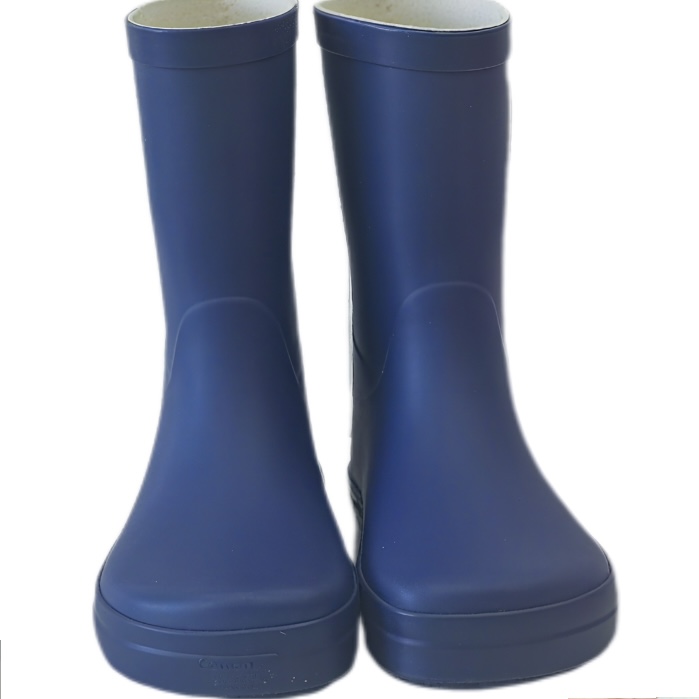
Kid latex rain boots rely on vulcanized natural latex or synthetic rubber compounds to form a continuous, flexible barrier that repels water. Vulcanization, a process that cross-links polymer molecules through heat and pressure, improves the material’s tensile strength and resistance to cracking after repeated flexing—critical for active children who twist and bend their feet frequently. Seam-free construction, often achieved through injection molding or seamless bonding, eliminates potential leak points that can develop at stitched seams, which is a key feature highlighted by a Professional Rain Boot Manufacturer focused on children’s footwear durability.
The shaft height of the boot also plays a role in protection: taller shafts (covering up to the knee) prevent water from entering when wading in deep puddles, while mid-calf shafts offer a balance of coverage and mobility for casual play. Outsole design, including tread pattern depth and rubber compound hardness, affects slip resistance—shallower treads may be sufficient for pavement, while deeper, lugged treads perform better on muddy or uneven terrain. Lining materials, such as moisture-wicking fabric, help keep feet dry by managing sweat, which is important for preventing blisters during long play sessions.
3. Practical Solutions and Operation Steps
When selecting waterproof kid latex boots for heavy rain outdoor play, follow these actionable steps to ensure a suitable choice for your child’s needs:
- Assess primary play terrain: If your child will play on mostly paved surfaces with light puddles, prioritize boots with medium-depth treads. For muddy trails or deep puddles, select boots with lugged treads and a higher shaft height.
- Check material flexibility: Bend the boot shaft and sole by hand; a flexible latex compound that returns to its original shape indicates good vulcanization, while stiff or brittle materials may crack after short use.
- Verify slip resistance: Look for boots tested under EN ISO 20347:2022+A1:2024 for slip resistance on wet surfaces, as this standard provides quantifiable grip performance data for occupational and recreational footwear.
- Confirm fit: Choose a size that allows half an inch of space between the toe and the boot’s front to accommodate foot swelling during play, without excessive room that causes blisters or instability.
- Evaluate lining: Opt for moisture-wicking textile linings rather than plain rubber linings, as these reduce sweat buildup even in cool, wet conditions.
4. Daily Maintenance and Precautions
Proper maintenance extends the lifespan of waterproof kid latex boots and preserves their protective features. After each use in heavy rain, wipe the exterior with a soft, damp cloth to remove mud, leaves, or other debris that can scratch the surface or accumulate in treads. For stubborn stains, use a mild soap solution and avoid harsh chemicals, such as bleach or solvent-based cleaners, which can break down the latex compound and reduce waterproofing. Avoid using a washing machine, as the agitation and heat can damage seams and material integrity.
When drying boots, never place them near direct sunlight, radiators, or other high-heat sources, as extreme heat can cause latex to shrink, crack, or become rigid. Instead, leave them in a well-ventilated area at room temperature, and insert crumpled paper towels or a boot tree to help retain shape and absorb excess moisture. For odor control, sprinkle a small amount of baking powder inside each boot after drying, and shake it out before the next use. Do not use waterproofing sprays designed for leather footwear on latex boots, as these products may leave a residue that reduces flexibility.
5. Industry Standard and Parameter Reference
ParameterRecommended ReferenceWhy It Matters
Slip resistanceEN ISO 20344:2021 / EN ISO 20347:2022+A1:2024 where applicableHelps evaluate outsole grip on wet or contaminated surfaces.
Material durabilityISO 17707:2017 (for rubber footwear aging resistance)Tests latex compound performance after prolonged exposure to moisture and flexing.
Waterproof integrityISO 17708:2004 (water permeability for rubber footwear)Measures resistance to water penetration under dynamic conditions of use.
Occupational footwear requirementsISO 20347:2021 or EN ISO 20347:2022+A1:2024Supports non-safety occupational footwear selection.
Do not invent exact performance numbers. Use exact values only when they are provided by a verified standard, public test report, or third-party assessment. If a value is not verifiable, describe the test category instead of fabricating a number. For example, instead of stating a specific slip resistance coefficient, reference the EN ISO standard method used to test the boot’s grip on wet surfaces.
6. Customer Common FAQ
Q: How do I tell if latex boots are truly waterproof for heavy rain?
A: Look for seams that are seamless or bonded rather than stitched, as stitched seams can allow water to seep through. Additionally, check for compliance with ISO 17708:2004, a standard that specifically tests water permeability in rubber footwear. A Professional Rain Boot Manufacturer will ensure these structural features meet relevant performance standards for outdoor play.
Q: Are latex boots better than PVC for active children?
A: Latex is more flexible and has better tear resistance than PVC when properly vulcanized, which is advantageous for children who run, jump, and climb. However, PVC may be more affordable for casual use—select based on your child’s activity level and budget, not a generic "better material" claim.
Q: Can waterproof kid latex boots be worn in temperatures below freezing?
A: Only if they are formulated for cold resistance; standard latex boots may become rigid or crack in sub-zero temperatures. Look for boots tested under ISO 17707:2017 for aging resistance at low temperatures, or check for labeling that specifies cold-weather performance.
Q: How often should I replace my child’s waterproof latex boots?
A: Replace boots when you notice visible cracks, stretched seams, reduced slip resistance, or when the fit no longer accommodates your child’s growing feet. According to global footwear industry data from 2024, high-quality kid rubber boots typically last 1 to 2 years with proper maintenance, depending on usage frequency.
Q: Is it safe to use my child’s waterproof latex boots for work or other non-play activities?
A: No—kid latex boots are designed for light outdoor play and do not meet safety standards for occupational use, such as slip resistance on industrial surfaces or chemical protection. Using them for non-play activities can increase the risk of injury or premature wear.
Conclusion
Choosing the right waterproof kid latex boots for heavy rain outdoor play requires balancing material flexibility, slip resistance, fit, and terrain suitability. By focusing on structural features like seamless construction, flexible vulcanized compounds, and standards-aligned performance testing, parents can select boots that provide reliable protection for their child’s playtime. A Professional Rain Boot Manufacturer’s emphasis on standardized production ensures these features align with both comfort and durability needs for active children in wet conditions.
References
- International Organization for Standardization (ISO). ISO 20344:2021, Footwear - Test methods for whole shoe, 2021.
- International Organization for Standardization (ISO). ISO 17707:2017, Rubber and plastic footwear - Test methods for resistance to aging, 2017.
- European Committee for Standardization (CEN). EN ISO 20347:2022+A1:2024, Occupational footwear, 2024.
- Global Footwear Industry Association. Global Footwear Industry Official Report 2024, 2024.