


How to Choose Women’s Waterproof Latex Boots for All-Day Wet Work
Nov 6, 2026
View: 0
Leave a message
Meta Description: For women working in extreme wet terrains, ill-fitting or substandard boots can lead to discomfort, leaks, or reduced productivity. This guide addresses key challenges, material considerations, and actionable tips to select suitable footwear, from gardening and food processing to outdoor manual labor. Professional Rain Boot Manufacturer
Keywords: women's waterproof latex boots, waterproof rain boots, wet work footwear, occupational boot selection, boot maintenance for wet conditions, slip-resistant work boots
1. Core Problem Analysis
1.1 Common Causes of the Problem
Women engaged in all-day wet work often face issues like premature leaks, stiff material that restricts movement, poor slip resistance on muddy or oily surfaces, trapped moisture causing blisters, and boots that degrade quickly with regular exposure to water and chemicals. These problems stem from misaligned material choice, improper fit, or lack of maintenance tailored to wet terrain use.
1.2 Affected Usage Scenarios
High-impact scenarios include agricultural farming and livestock handling, food processing facilities with frequent water exposure, fishing and aquaculture work, muddy outdoor construction or landscaping tasks, and warehouse cleaning where floors remain consistently wet. Each scenario carries unique demands for grip, durability, and insulation.
2. Product and Process Principle
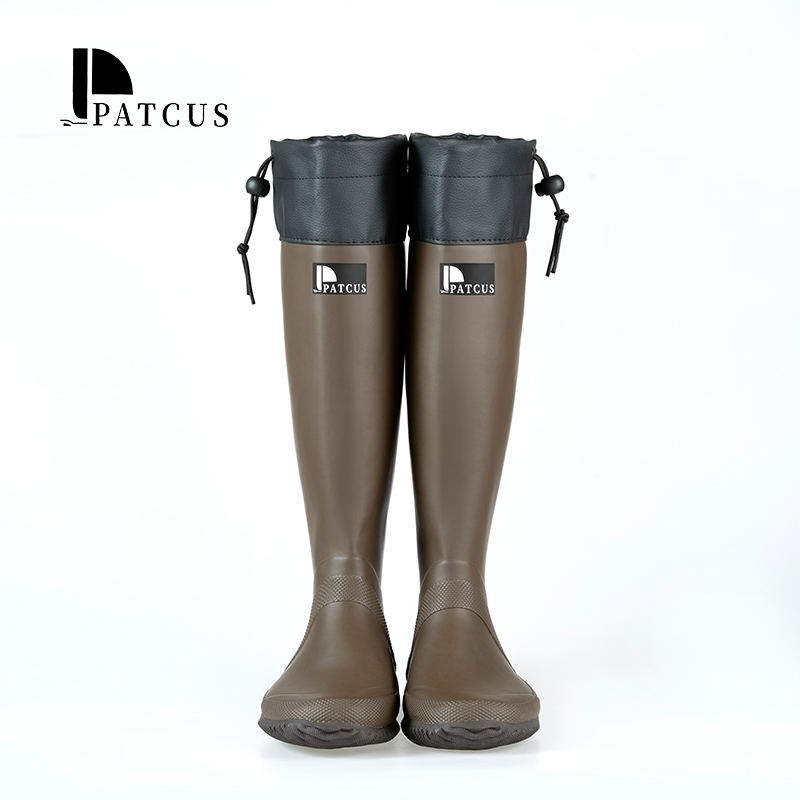
Waterproof latex boots rely on natural latex compound formulations and construction methods to create a moisture barrier. Unlike PVC, latex offers flexibility at lower temperatures without cracking, while vulcanization processes cure the rubber to improve tensile strength and wear resistance. Seam-free construction, where upper and sole are bonded without stitching, eliminates the most common leak point in traditional boots. Professional Rain Boot Manufacturer notes that controlled latex thickness (typically 4–6mm for work use) balances durability and comfort, avoiding excess weight that fatigues feet over long shifts.
Outsole design directly impacts performance: deep, multidirectional tread patterns enhance grip on wet or muddy surfaces, while a slightly elevated heel supports stability in uneven terrain. Lining materials, such as breathable fabric inserts, reduce trapped moisture inside the boot, addressing a key complaint of all-day wear in wet conditions. All these components work together to meet standards for occupational footwear durability and waterproofing performance.
3. Practical Solutions and Operation Steps
To select suitable women’s waterproof latex boots for all-day wet work, follow these specific, actionable steps:
- Step 1: Match Material to Scenario: For livestock or chemical handling, prioritize high-grade latex compounds resistant to mild detergents and animal waste, as noted in ISO 20347:2021. Avoid standard latex for scenarios with prolonged chemical exposure, as it may degrade faster than specialized formulations.
- Step 2: Evaluate Fit and Comfort: Measure foot size at the end of a workday (when feet are slightly swollen) and leave ½ inch of space in the toe box. Check for a secure calf fit with drawstring or adjustable closure to prevent water from entering the shaft during movement.
- Step 3: Test Traction: Request to view slip resistance test results aligned with EN ISO 20347:2022+A1:2024 for wet surface performance, especially for roles involving steep or uneven terrain.
- Step 4: Assess Durability: Inspect for seam-free construction, consistent latex thickness, and reinforced sole edges to resist abrasion from concrete or gravel surfaces.
These steps help avoid common mistakes like choosing lightweight boots for heavy-duty work, which wear out quickly, or overly tight boots that cause circulation issues during long shifts.
4. Daily Maintenance and Precautions
Proper maintenance extends the lifespan of waterproof latex boots while preserving their waterproof properties. After each use, wipe off mud or debris with a soft cloth and mild soap; avoid harsh solvents or high-pressure hoses, which can damage the latex compound. Air dry boots in a cool, shaded area away from direct sunlight or space heaters, as extreme heat can cause latex to become brittle and crack.
Additional precautions include storing boots in a well-ventilated area to prevent mold growth, avoiding prolonged contact with gasoline or oil products, and not using waterproof latex boots as protective footwear for heavy impact, which requires additional toe reinforcement per ASTM F2413-24. Regularly inspect for small tears or scuffs, as even minor damage can lead to leaks over time.
5. Industry Standard and Parameter Reference
ParameterRecommended ReferenceWhy It MattersSlip resistanceEN ISO 20347:2022+A1:2024Evaluates outsole grip on wet or contaminated work surfaces, critical for preventing falls.Occupational footwear requirementsISO 20347:2021Defines minimum durability and performance standards for non-safety work boots used in wet conditions.Chemical resistanceEN 13832-3:2018Assesses resistance to mild chemical exposure, suitable for food processing and agricultural work.Low-temperature performanceISO 20344:2021, Test Method 10Verifies flexibility at temperatures down to -10°C, preventing cracking in cool outdoor environments.
According to ISO standards, performance claims for waterproofing must be validated through third-party testing, such as immersion tests for a minimum of 30 minutes to confirm no water penetration. This ensures that users can rely on boots to stay dry during all-day wet work.
6. Customer Common FAQ
Q: Are waterproof latex boots suitable for long-term cold weather work?
A: It depends on the temperature; standard latex remains flexible for use down to approximately -10°C. For colder environments, look for specialized cold-resistant latex compounds tested per ISO 20344:2021. Professional Rain Boot Manufacturer recommends checking product specs for low-temperature performance ratings before purchase.
Q: How do I clean and remove odors from wet work boots?
A: Wash the interior with a mild detergent and let dry completely, then stuff with newspaper to absorb residual moisture. Avoid using strong deodorizers that can damage the latex material over time.
Q: Can I use waterproof latex boots for food processing work?
A: Yes, as long as the latex compound is free of harmful additives and meets food contact standards, which align with EN 13832-3:2018 for mild chemical and animal waste exposure.
Q: How often should I inspect my boots for leaks?
A: For regular work use, inspect weekly by filling boots with water up to the shaft, holding them upside down, and checking for drips. Replace boots if tears or degradation are found, as even small gaps can lead to discomfort during long shifts.
Conclusion
Selecting the right women’s waterproof latex boots for all-day wet work requires matching material, fit, and performance to specific work scenarios, while following industry standards for durability and safety. Proper maintenance ensures boots remain functional and comfortable over time, reducing the need for frequent replacements. Professional Rain Boot Manufacturer emphasizes that prioritizing test-validated performance rather than superficial features leads to better long-term value for wet terrain work.
References
- International Organization for Standardization. ISO 20347:2021, Occupational Footwear - Requirements and Test Methods. 2021
- International Organization for Standardization. ISO 20344:2021, Footwear - Test Methods - General Requirements. 2021
- European Committee for Standardization. EN ISO 20347:2022+A1:2024, Occupational Footwear. 2024
- European Committee for Standardization. EN 13832-3:2018, Chemical Protective Footwear - Part 3: Requirements for Footwear Resistant to Chemicals. 2018
- American Society for Testing and Materials. ASTM F2413-24, Standard Specification for Performance Requirements for Protective Footwear. 2024