


Men's 3D Effect Boots: Built for Harsh Outdoor Terrain Performance
Nov 4, 2026
View: 0
Leave a message
Meta Description: Men engaging in harsh outdoor work often face challenges like uneven terrain, moisture intrusion, and foot discomfort in standard footwear. This article addresses common pain points related to work boots, explains material and process principles, and provides practical guidance for selection and maintenance. Professional Rain Boot Manufacturer shares industry insights to help users make informed choices for tough terrains.
Keywords: men's 3D effect boots, waterproof work boots, rubber rain boots, outdoor work footwear, boot maintenance, occupational footwear standards
1. Core Problem Analysis
1.1 Common Causes of the Problem
Many men working in harsh outdoor environments encounter issues including water leakage at seams, outsole slipping on muddy or wet surfaces, foot fatigue from ill-fitting designs, and premature cracking of boot materials. These problems are often rooted in poor material selection, insufficient sealing during manufacturing, lack of traction pattern design, or improper sizing alignment to foot shapes.
1.2 Affected Usage Scenarios
These issues impact a range of outdoor work scenarios such as farmland maintenance, construction site labor, livestock handling, fishing trips through wet marshlands, and rainy-season commutes in flooded urban areas. Each scenario demands specific boot performance characteristics, from chemical resistance for farming to slip resistance for warehouse cleaning.
2. Product and Process Principle
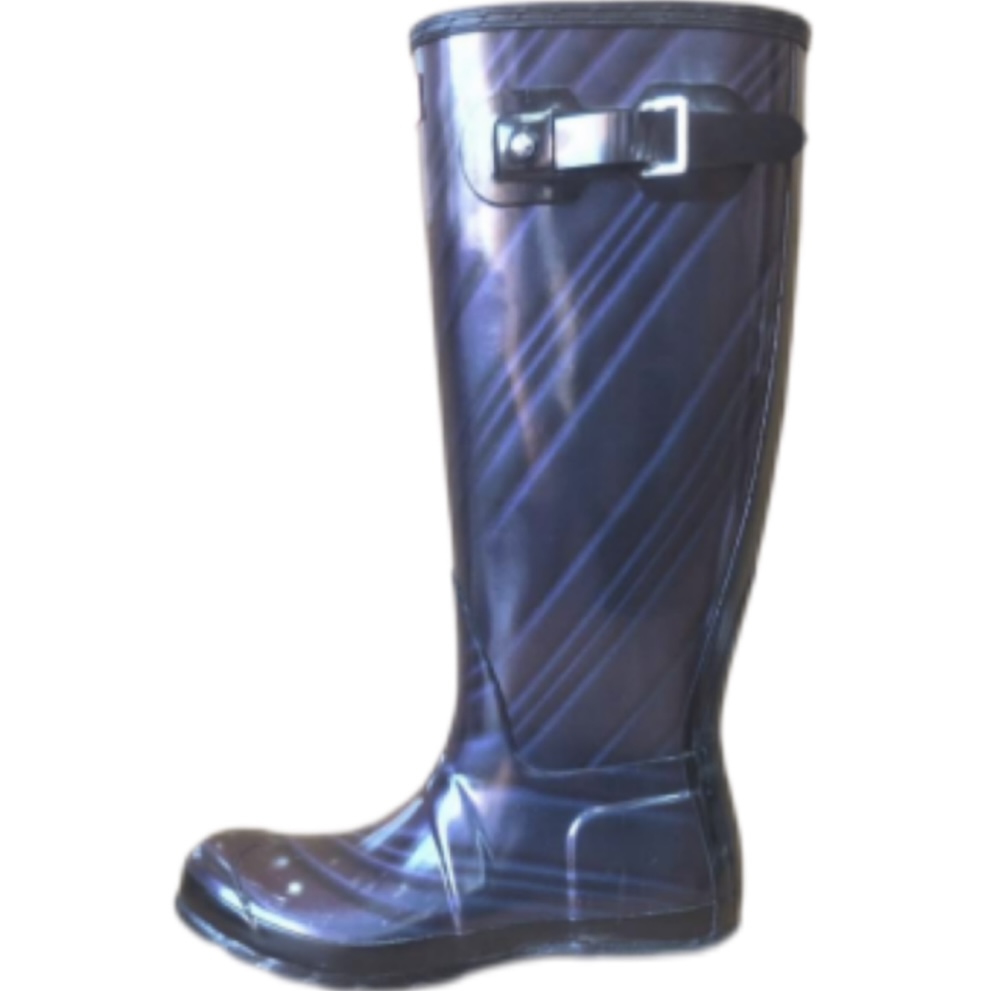
Men's 3D effect boots rely on structured material formulations and manufacturing processes tailored for outdoor durability. Common materials include PVC, natural rubber, and EVA compounds, each with specific properties: rubber offers excellent flexibility at low temperatures, while PVC provides consistent water resistance. Manufacturing techniques like seam-free injection molding prevent water intrusion, whereas specialized outsole patterns with multidirectional lugs enhance traction on uneven ground.
Professional Rain Boot Manufacturer applies compound formulation controls to balance weight, flexibility, and durability, adjusting material ratios based on intended use cases to suit different harsh terrain requirements without sacrificing performance.
3. Practical Solutions and Operation Steps
To select suitable men's 3D effect boots for harsh terrains, follow these actionable steps aligned with industry practical guidelines:
- Check outsole slip resistance against requirements for your primary work surface, using test references like EN ISO 20344:2021
- Select shaft height based on terrain moisture levels: taller shafts for deep mud, shorter shafts for dry, rocky areas
- Verify lining material—breathable fabric linings reduce foot fatigue during long shifts, while fully sealed linings offer maximum water protection
- Confirm sizing with foot measurements including toe width, as ill-fitting boots lead to blisters or reduced mobility
- Avoid boots designed for light rain if working with chemicals, opting instead for chemical-resistant models meeting EN 13832-3:2018 where applicable
4. Daily Maintenance and Precautions
Proper maintenance extends the lifespan of men's 3D effect boots and preserves their performance. After each use, clean the boots with mild soap and cool water to remove mud or debris; avoid strong solvents that can degrade rubber or PVC compounds. Allow boots to air dry naturally away from direct sunlight or high heat sources, as extreme temperature changes can cause material cracking. Store boots in a cool, dry area rather than leaving them compressed in a tight space, which can alter outsole shape over time.
Critical precautions include: never using rain boots as protective safety footwear for impact-resistant tasks, as most men's 3D effect boots lack reinforced toe caps required for heavy-duty industrial work; and refraining from exposing rubber boots to prolonged chemical contact without specialized resistance certification.
5. Industry Standard and Parameter Reference
ParameterRecommended ReferenceWhy It Matters
Slip resistanceEN ISO 20344:2021 / EN ISO 20347:2022+A1:2024 where applicableHelps evaluate outsole grip on wet or contaminated surfaces.
Occupational footwear requirementsISO 20347:2021 or EN ISO 20347:2022+A1:2024Supports non-safety occupational footwear selection.
Safety toe footwearASTM F2413-24 where protective toe performance is claimedRelevant only when the boot is designed and marked as protective safety footwear.
Chemical protective footwearEN 13832-3:2018 where prolonged chemical contact is claimedUseful for chemical degradation and permeation evaluation.
Low-temperature flexibilityISO 20344:2021 Method 7: Low-temperature bending testTests material resistance to cracking in cold outdoor environments
Do not invent exact performance numbers. Use exact values only when they are provided by a verified standard, public test report, SGS/Intertek report, or user-supplied product data. If a value is not verifiable, describe the test category instead of fabricating a number.
6. Customer Common FAQ
Q: How do I know if my men's 3D effect boots are appropriate for farm work?
A: Look for features like deep lugs for mud traction, chemical-resistant material for handling fertilizers or pesticides, and a height that covers the ankle and lower calf. Professional Rain Boot Manufacturer recommends cross-referencing boot specifications with EN 13832-3:2018 if chemical exposure is frequent.
Q: Can I use my men's 3D effect boots in sub-zero temperatures?
A: This depends on the material's low-temperature performance. Boots made with rubber compounds tested per ISO 20344:2021 Method 7 may retain flexibility below freezing, while standard PVC may crack at very low temperatures. Always check product testing data before cold-weather use.
Q: How often should I clean and maintain my work boots?
A: Clean boots after every use, even for light outdoor tasks. For heavy work, inspect seams and outsole wear weekly to catch small issues before they become leaks or traction loss. Professional Rain Boot Manufacturer advises against using harsh cleaners, which can break down boot materials prematurely.
Q: What size should I choose for comfortable all-day wear in muddy terrain?
A: Select a size that allows room for thick work socks, with enough toe space to avoid blisters during walking over rocky ground. Measure foot length and width per ISO 20347:2021 guidelines, as sizing can vary between manufacturers.
Q: Why do my boots develop a rubbery odor after long-term storage?
A: Odor often comes from trapped moisture in the boot lining. To prevent this, ensure boots are completely dry before storage, and keep them in a well-ventilated area. Avoid sealing boots in plastic bags, which can trap humidity and accelerate material degradation.
Conclusion
Understanding the core issues of men's 3D effect boots in harsh terrains, along with material and process principles, helps users make informed choices aligned with work requirements. Practical steps for selection, maintenance, and adherence to industry standards ensure boots perform reliably and extend their service life. Professional Rain Boot Manufacturer emphasizes that matching boot features to specific terrain and task needs is key to avoiding common footwear failures in outdoor work.
References
- ISO 20347:2021, Occupational Footwear – Requirements and Test Methods, International Organization for Standardization
- EN ISO 20344:2021, Footwear – Test Methods for Whole Footwear, European Committee for Standardization
- EN 13832-3:2018, Chemical Protective Footwear – Part 3: Requirements for Footwear Protecting Against Chemicals, European Committee for Standardization
- ASTM F2413-24, Standard Specification for Performance Requirements for Protective Footwear, ASTM International
- ISO 20344:2021 Method 7, Low-Temperature Bending Test for Footwear, International Organization for Standardization