


Why Kids Winter Latex Boots Are Ideal for Cold and Wet Conditions
Sep 16, 2026
View: 0
Leave a message
Meta Description: This article explains why kids' winter latex boots are perfect for cold and wet conditions. It covers the core problems kids face in these conditions, the principle of latex material, practical solutions for selection, maintenance tips, industry standards, and common FAQs. This information is valuable for parents looking to choose suitable boots for their kids. Professional Rain Boot Manufacturer
Keywords: Kids winter latex boots, Latex material, Cold and wet conditions, Boot selection, Boot maintenance
1. Core Problem Analysis
1.1 Common Causes of the Problem
When parents search for kids' winter latex boots, they mainly aim to address several crucial issues. Firstly, in cold and wet environments, keeping kids' feet warm and dry is essential. Ordinary shoes may not offer adequate insulation, leading to cold feet and potential health problems. Secondly, traction is a significant concern. Slippery surfaces in winter can increase the risk of kids falling and getting injured. Additionally, kids' boots need to be comfortable for their active movements, as they may run, jump, and play. Finally, the durability of the boots is important, as kids can be rough on their footwear, and frequent replacements can be costly.
1.2 Affected Usage Scenarios
These problems are particularly relevant in various scenarios. For example, during winter snowplay, kids may stomp in snowdrifts and build snowmen, where their boots need to keep out the cold and snow. In rainy winter days, whether commuting to school or playing outside, the boots should prevent water from seeping in. Moreover, in places with slushy or icy sidewalks, such as near schools, playgrounds, or residential areas, good traction is vital to avoid slips and falls. Also, for outdoor winter activities like ice skating or skiing, boots that can withstand the cold and provide stability are necessary.
2. Product and Process Principle
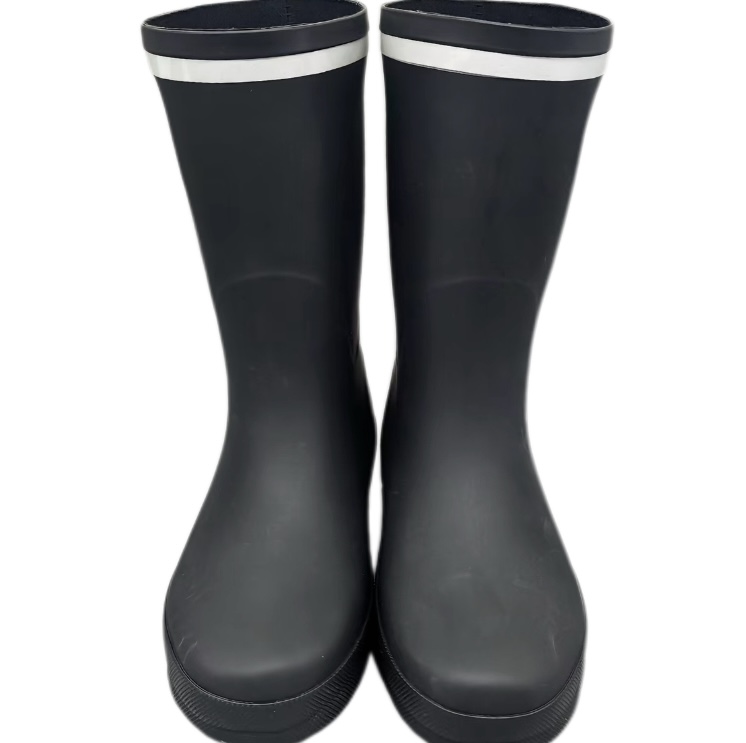
Latex is a popular material for kids' winter boots due to its unique properties. Latex is typically derived from the sap of rubber trees, offering excellent elasticity and flexibility. It can conform to the shape of kids' feet, providing a snug and comfortable fit. This elasticity also allows for ease of movement, which is crucial for active children. In terms of waterproofing, latex forms a tight, impermeable barrier that effectively keeps out water, whether it's rain, snow, or slush. The high elasticity of latex ensures that there are no gaps or seams where water could penetrate, making it highly reliable in wet conditions.
From a manufacturing perspective, the process of making latex boots involves several steps. First, the latex is collected and processed to remove impurities. Then, it is coagulated to form a solid mass. This mass is then shaped into the desired boot form through molding techniques. The molding process allows for precise control of the boot's shape, size, and thickness. After molding, the boots may undergo additional treatments such as vulcanization. Vulcanization involves heating the latex with sulfur or other chemicals, which further enhances its strength, durability, and resistance to heat and aging. A Professional Rain Boot Manufacturer can ensure these processes are carried out with high precision and quality control to produce boots that meet industry standards.
3. Practical Solutions and Operation Steps
When selecting kids' winter latex boots, several factors should be considered:
- Material Quality: Look for boots made from high - quality latex. Higher - grade latex tends to be more durable, flexible, and resistant to cracking. You can check product descriptions or ask for information about the latex source and its quality standards.
- Size: Measure your child's feet accurately. Leave a bit of room (about half an inch to an inch) for growth and to accommodate thick winter socks. Boots that are too tight can restrict blood circulation and cause discomfort, while boots that are too loose may lead to instability and blisters.
- Insulation: Consider boots with additional insulation layers, such as neoprene or fleece linings. These linings can provide extra warmth in cold conditions without adding excessive bulk.
- Traction: Examine the sole pattern. Deep treads and patterns with a good grip, like lug soles or herringbone patterns, are ideal for preventing slips on wet or icy surfaces. Look for soles that are made of materials with high friction coefficients.
- Design: Choose a design that is easy for kids to put on and take off, such as boots with adjustable straps or buckles. Also, consider the height of the boot shaft. Higher shafts can provide more protection against snow and slush, especially for activities like snowplay.
4. Daily Maintenance and Precautions
To ensure the longevity of kids' winter latex boots, proper maintenance is essential:
- Cleaning: After use in wet or dirty conditions, rinse the boots with clean water to remove dirt, mud, and salt. Use a mild soap if necessary, but avoid using strong detergents or solvents, as they can damage the latex. Gently scrub the boots with a soft brush, paying attention to the soles and any crevices.
- Drying: Stuff the boots with newspaper or a boot dryer to help them dry evenly and maintain their shape. Avoid drying the boots in direct sunlight or near a heat source, as this can cause the latex to crack or deform. Allow the boots to air - dry in a well - ventilated area.
- Storage: Store the boots in a cool, dry place. If possible, keep them in a boot rack or on a shelf to prevent them from being crushed. Avoid folding or compressing the boots for long periods, as this can cause the latex to lose its shape and elasticity.
- Precautions: Do not expose the boots to sharp objects, as they can puncture the latex. Also, do not use the boots for purposes other than their intended use, such as replacing safety - rated boots in industrial or high - risk environments. Additionally, if the boots develop a strong odor, you can sprinkle baking soda inside and leave it overnight to absorb the smell.
5. Industry Standard and Parameter Reference
When it comes to kids' winter latex boots, several industry standards and parameters are important to consider:
ParameterRecommended ReferenceWhy It MattersSlip resistanceEN ISO 20344:2021 / EN ISO 20347:2022+A1:2024 where applicableHelps evaluate outsole grip on wet or contaminated surfaces, reducing the risk of kids slipping and getting injured.Occupational footwear requirementsISO 20347:2021 or EN ISO 20347:2022+A1:2024Although kids' boots are not typically for occupational use, these standards can provide a reference for overall quality and performance.Insulation performanceThere is no specific unified standard for kids' winter boots' insulation. However, factors like the thickness and type of insulating material can be considered. For example, materials with a higher thermal resistance value are better at keeping feet warm.Ensures that the boots can keep kids' feet warm in cold winter conditions.WaterproofnessWhile there is no specific kids - focused waterproof standard, the general principle of a tight, impermeable barrier applies. High - quality latex should provide good waterproofing.Keeps kids' feet dry in wet environments.
6. Customer Common FAQ
Q: Are latex boots suitable for extremely cold temperatures?
A: Latex boots themselves may not provide sufficient insulation in extremely cold temperatures. However, if combined with proper insulating linings, such as fleece or neoprene, they can be worn in moderately cold conditions. A Professional Rain Boot Manufacturer can recommend boots with appropriate insulation for different temperature ranges.
Q: How can I tell if the latex boots are of good quality?
A: Good - quality latex boots should feel smooth and elastic to the touch. They should not have any visible cracks, holes, or uneven surfaces. You can also try gently stretching the latex; it should return to its original shape without leaving any permanent marks. Additionally, checking for compliance with relevant industry standards can be a good indicator of quality.
Q: What if the boots are too tight for my child?
A: If the boots are too tight, they can cause discomfort and restrict blood circulation. It's best to exchange them for a larger size. When measuring your child's feet, make sure to measure both feet and use the larger measurement as a guide.
Q: Can I clean latex boots in a washing machine?
A: It is not recommended to clean latex boots in a washing machine. The agitation and friction in the machine can damage the latex. Instead, follow the manual cleaning method described in the maintenance section, which involves rinsing with water and a mild soap, and gently scrubbing with a soft brush.
Q: Do latex boots have a strong odor?
A: New latex boots may have a slight odor, but it should dissipate over time with proper airing. If the odor persists, you can try the baking soda method mentioned in the maintenance section to reduce it.
Conclusion
In conclusion, kids' winter latex boots are an excellent choice for cold and wet conditions due to their elasticity, waterproofness, and comfort. By understanding the core problems, the principle of latex material, following practical selection steps, proper maintenance, and referring to industry standards, parents can choose the right boots for their kids. A Professional Rain Boot Manufacturer can offer valuable guidance on material selection, production processes, and industry - compliant products.
References
- ISO 20344:2021, Footwear Test Methods
- EN ISO 20347:2022+A1:2024, Occupational Footwear
- ISO 20347:2021, Occupational Footwear