


Why Patcus Men's 3D Pattern Non Slip Rain Boots Work Well For Heavy-Duty Outdoor Work
Nov 1, 2026
View: 0
Leave a message
Meta Description: Heavy-duty outdoor work demands rain boots that handle wet, muddy, and contaminated surfaces. This article explains what to look for in work boots for extreme conditions, and how 3D patterned outsoles contribute to reliable slip resistance. Professional Rain Boot Manufacturer provides actionable insights for selecting and maintaining work footwear.
Keywords: non slip rain boots, heavy duty work boots, 3D outsole pattern, work boot slip resistance, waterproof rubber boots, occupational footwear for outdoor work
1. Core Problem Analysis
1.1 Common Causes of the Problem
Heavy-duty outdoor work often exposes footwear to conditions that lead to premature wear, slip risks, or water intrusion. Many standard rain boots fail to address specific stressors like uneven muddy terrain, contact with oil or chemical residues, and prolonged immersion in water. Common issues include reduced grip from flat outsoles, water seepage through poorly sealed seams, and material degradation from repeated exposure to harsh outdoor elements. Slip incidents, in particular, can cause workplace injuries, making outsole design a critical factor for work-appropriate footwear.
1.2 Affected Usage Scenarios
Workers in farming, construction, livestock handling, food processing, and outdoor maintenance face high demand for reliable rain boots. These roles require footwear that can handle standing water in dairy barns, muddy construction sites, wet field soil, and slippery factory floors. Without properly designed work boots, workers may experience decreased stability, increased fatigue from poor support, and damage to boots that limits their useful life over short periods.
2. Product and Process Principle
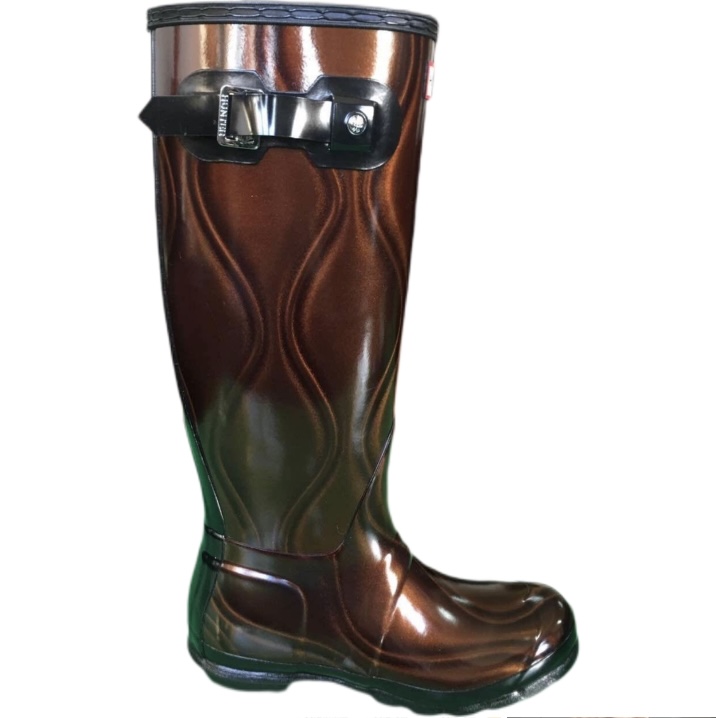
Rain boots for heavy-duty work rely on three key design areas: outsole pattern geometry, material formulation, and seam construction. A 3D outsole pattern uses molded, non-flat tread elements that create additional contact points with slippery surfaces, rather than relying on flat tread that fails to grip wet or uneven terrain. The material used in high-performance work boots is typically a blend of rubber or PVC compounds, chosen for flexibility in cold temperatures and resistance to abrasion. Seamless construction or welded seams prevent water intrusion, which is essential for long wear in wet conditions.
Professional Rain Boot Manufacturer emphasizes that outsole design must align with specific work conditions. For example, deep, angled treads work well for muddy terrain, while textured 3D patterns provide consistent grip on smooth, wet concrete. The combination of these elements creates a balance between durability, slip resistance, and comfort for extended work shifts.
3. Practical Solutions and Operation Steps
Selecting and using rain boots for heavy-duty work involves specific steps to ensure performance and longevity. Follow these actionable guidelines to match boots to work needs and maintain their functionality over time.
- Assess your primary work surface: Confirm if you will work mostly on muddy terrain, wet concrete, or slippery factory floors to choose a suitable outsole pattern. 3D patterns with varied elevation work well for mixed surfaces, while deep directional treads are better for heavily muddy areas.
- Check material and seam construction: Look for boots with thick, abrasion-resistant materials and welded or seamless seams to reduce water intrusion. Avoid thin, stitched seams that can fail with repeated heavy use.
- Verify fit for work use: Choose a size that allows room for thick work socks, as boots should not be too tight to cause foot fatigue during long shifts. Ensure the shaft height is adequate to prevent water from entering when standing in shallow puddles or mud.
- Match boot features to work risks: If your job involves occasional chemical contact, select boots with a chemical-resistant compound, rather than standard rubber. For cold climates, choose a boot with a insulated lining rated for low-temperature use, aligned with relevant standards.
4. Daily Maintenance and Precautions
Proper maintenance extends the life of heavy-duty rain boots and preserves their slip-resistant properties. After each use, clean boots with mild soap and water to remove mud, chemical residues, or debris that can clog treads and reduce grip. Avoid using harsh solvents or strong cleaners, as these can degrade rubber or PVC compounds over time.
Allow boots to air dry completely at room temperature, away from direct sunlight or heat sources like space heaters. High heat can cause material cracking or warping, which weakens boot structure and reduces slip resistance. Store boots in a cool, dry area, and avoid folding or bending them when stored to prevent permanent creases in the outsole or upper material. Do not use work rain boots as regular footwear for casual use, as this can accelerate tread wear and reduce their effectiveness for heavy-duty work.
5. Industry Standard and Parameter Reference
To ensure work boots meet consistent performance requirements, use the following industry standards as reference for selecting and testing footwear. These standards outline test methods and performance criteria for occupational work boots.
ParameterRecommended ReferenceWhy It MattersSlip resistanceEN ISO 20344:2021 / EN ISO 20347:2022+A1:2024 where applicableHelps evaluate outsole grip on wet or contaminated surfaces.Occupational footwear requirementsISO 20347:2021 or EN ISO 20347:2022+A1:2024Supports non-safety occupational footwear selection for general work use.Safety toe footwearASTM F2413-24 where protective toe performance is claimedRelevant only when the boot is designed and marked as protective safety footwear for impact or compression risks.Chemical protective footwearEN 13832-3:2018 where prolonged chemical contact is claimedUseful for evaluating resistance to chemical permeation and degradation in work settings.
When evaluating boot performance, refer to test methods outlined in these standards rather than unsubstantiated performance claims. For example, slip resistance testing per EN ISO 20344:2021 uses standardized surfaces to measure static and dynamic friction, providing a consistent way to compare boot grip across different brands and designs.
6. Customer Common FAQ
Q: Are 3D pattern outsoles suitable for all heavy-duty outdoor work?
A: 3D patterns work well for mixed terrain, including mud, wet concrete, and grass. For work with extremely thick, sticky mud, deeper directional treads may provide better performance, while 3D patterns offer more consistent grip across multiple surface types. Professional Rain Boot Manufacturer notes that fit and material flexibility also influence performance, not just outsole design.
Q: How do I clean a 3D outsole to maintain slip resistance?
A: Use a stiff brush and mild soap to remove mud and debris from tread grooves immediately after use. Avoid using high-pressure washers, as these can force water into boot seams or damage molded pattern elements. Clogged grooves reduce outsole contact with surfaces, so regular cleaning preserves slip resistance.
Q: Can these rain boots be used as safety boots for workplace requirements?
A: Unless marked as protective safety footwear meeting ASTM F2413-24 or EN ISO 20345 standards, these boots are not designed for impact or compression risks. Always check labeling and consult workplace safety guidelines to confirm footwear meets required standards for your job.
Q: How long do heavy-duty work rain boots typically last with regular use?
A: Lifespan varies based on work conditions, maintenance, and use. With proper cleaning and storage, a well-designed pair can last 1 to 3 years in regular heavy-duty work settings. High-abrasion environments may reduce this lifespan, so inspect boots regularly for tread wear or seam damage.
Conclusion
Heavy-duty outdoor work requires rain boots that balance slip resistance, durability, and functional design, and 3D pattern outsoles address key performance needs for mixed work surfaces. By aligning boot selection with industry standards, maintaining footwear properly, and matching design features to specific work risks, workers can reduce slip incidents and extend the useful life of their boots. Professional Rain Boot Manufacturer provides standardized guidance on material and design choices to support reliable performance in heavy-duty work settings.
References
- International Organization for Standardization. ISO 20347:2021, Occupational Footwear. Geneva: ISO, 2021.
- International Organization for Standardization. ISO 20344:2021, Test Methods for Footwear. Geneva: ISO, 2021.
- American Society for Testing and Materials. ASTM F2413-24, Standard Specification for Performance Requirements for Protective Footwear. West Conshohocken: ASTM International, 2024.
- European Committee for Standardization. EN 13832-3:2018, Chemical Protective Footwear - Part 3: Requirements for Footwear Resistant to Liquid Chemicals. Brussels: CEN, 2018.